






 Portuguese
  Spanish


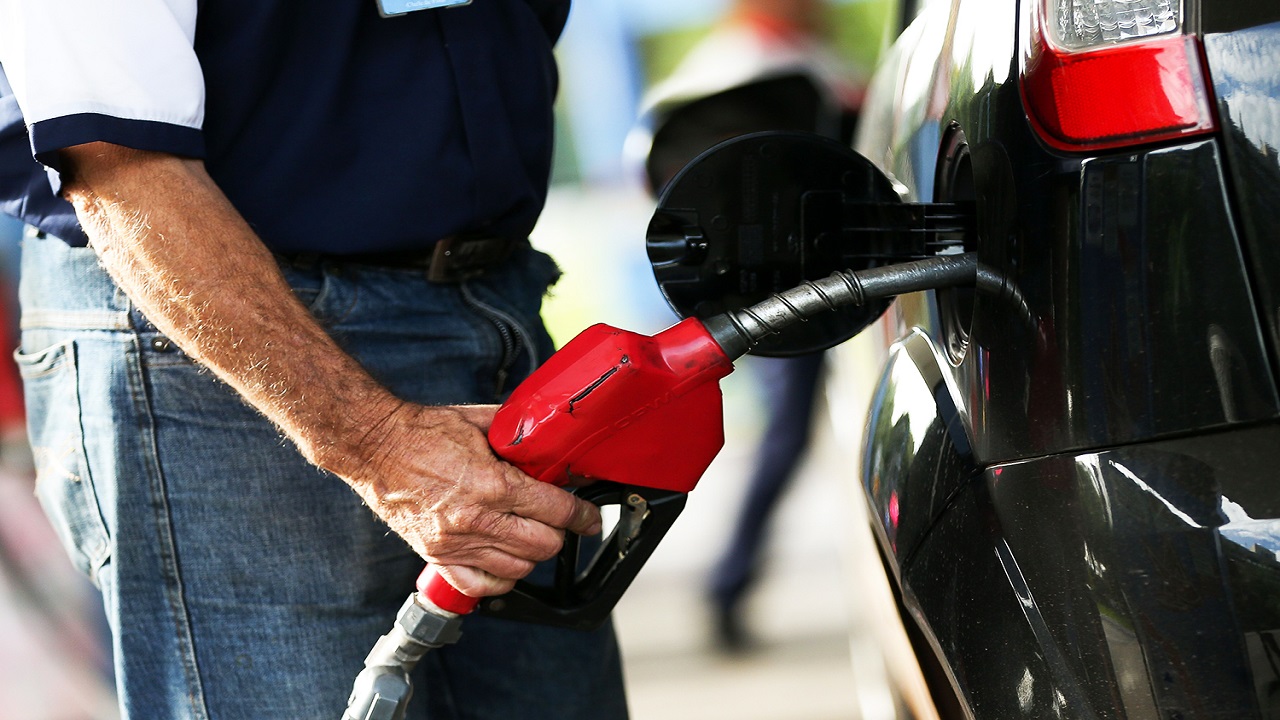

Increase in Gasoline Prices Causes Higher Costs for Supermarket Products, Driving Up Uber Fares, Annoying Consumers. The Price per Liter of Fuel Exceeds R$ 7 in Some States
The National Agency of Petroleum, Natural Gas and Biofuels (ANP) recorded a new rise in gasoline prices last week. In a survey released over the weekend, the agency pointed out that, in some states, the price per liter of gasoline was above R$ 7 at gas stations. This rise in fuel prices has led to increased freight costs for goods arriving at supermarkets and higher Uber fares, causing outrage among consumers.
Also Read
Gasoline Reaches R$ 7.36 in Tocantins
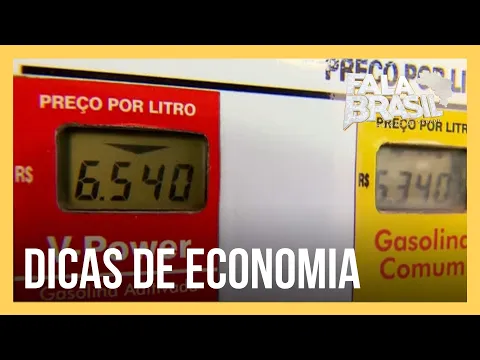

In the state of Tocantins, fuel prices reached R$ 7.36 last week, and drivers are already feeling the impact of the increase. However, it is not only app drivers like 99, Uber, and inDrive who are suffering from this rise in gasoline prices; consumers doing their monthly shopping have already noticed that product prices at supermarkets are higher than last month.
During peak hours, ride prices have tripled. In addition to consumers, the crisis has also driven some Uber drivers away, who have seen their profits diminish. According to complaints from Fabio Ziroldo, who has been in the sector for 5 years, gasoline prices have risen significantly, and vehicle maintenance has consumed all of his earnings.
-
Brazil to Issue “Panda Bonds” in China, Aiming to Raise Up to 5 Billion Yuan at Lower Interest Rates Than Dollar Debt
-
NATO Faces Internal Tensions as U.S. Pushes for Increased Defense Spending, Targeting 5% of GDP by 2035, with Warnings for Countries Near 2% Level

-
Brazil to Introduce B16 Diesel with Increased Soybean Oil Content for Trucks by 2026
-
Brazil’s July Bolsa Família Payments May Include Extra $150 and $50 for Families with Children, Pregnant Women, and Updated CadÚnico Registration


Uber stated that gasoline prices are beyond the company’s control, but through its partner advantage program, it seeks to help drivers reduce fixed costs through partnerships and discounts.
Water Crisis May Also Influence Product Prices
According to the report from the Economic Situation Group of the Institute of Applied Economic Research (Ipea), the inflationary pressure, which is currently at 7.1%, was to be expected. However, the rises in the prices of commodities in the international market and climatic events, such as the water crisis affecting the country, have negatively surprised and triggered new price increases for products in supermarkets and energy costs for consumers.
In addition to these factors, the return of the job market and the relaxation of social distancing measures due to the advancement of vaccination have brought greater dynamism to the services sector in recent months, creating room for price reorganization in this segment.
Understanding the Rise in Gasoline Prices
According to lawyer Antônio Carlos Morad, the increase in gasoline prices, which directly affects the cost of products acquired at supermarkets and Uber rides, is a reflection of administrative management issues by the Minister of Economy, Paulo Guedes.
The measures being taken regarding increases in relation to the international market ensure that gasoline prices keep rising. Tax law specialist Ludmila Bondaczuk points to logistical hurdles in the distribution of fuels as another factor that strongly influences the increase in gasoline prices for consumers.
According to Ludmila, the complexity of fuel distribution demands significant and costly infrastructure, involving multiple economic agents, thereby raising product prices and impacting various other sectors.


