





 Portuguese
  English
  Spanish
  3 min of reading
  0 comments


Small colonies hidden in the Amazonian soil reveal a natural, efficient agricultural system much older than human agriculture.
The Amazon ant stars in one of the most curious phenomena of Brazilian biodiversity.
In the subsoil of the rainforest, these colonies maintain true underground farms, based on the cultivation of symbiotic fungi.
This behavior shows that agriculture is not exclusive to humans. For millions of years, leaf-cutter ants have used leaves, fungi, bacteria, and social organization to produce food continuously.
-
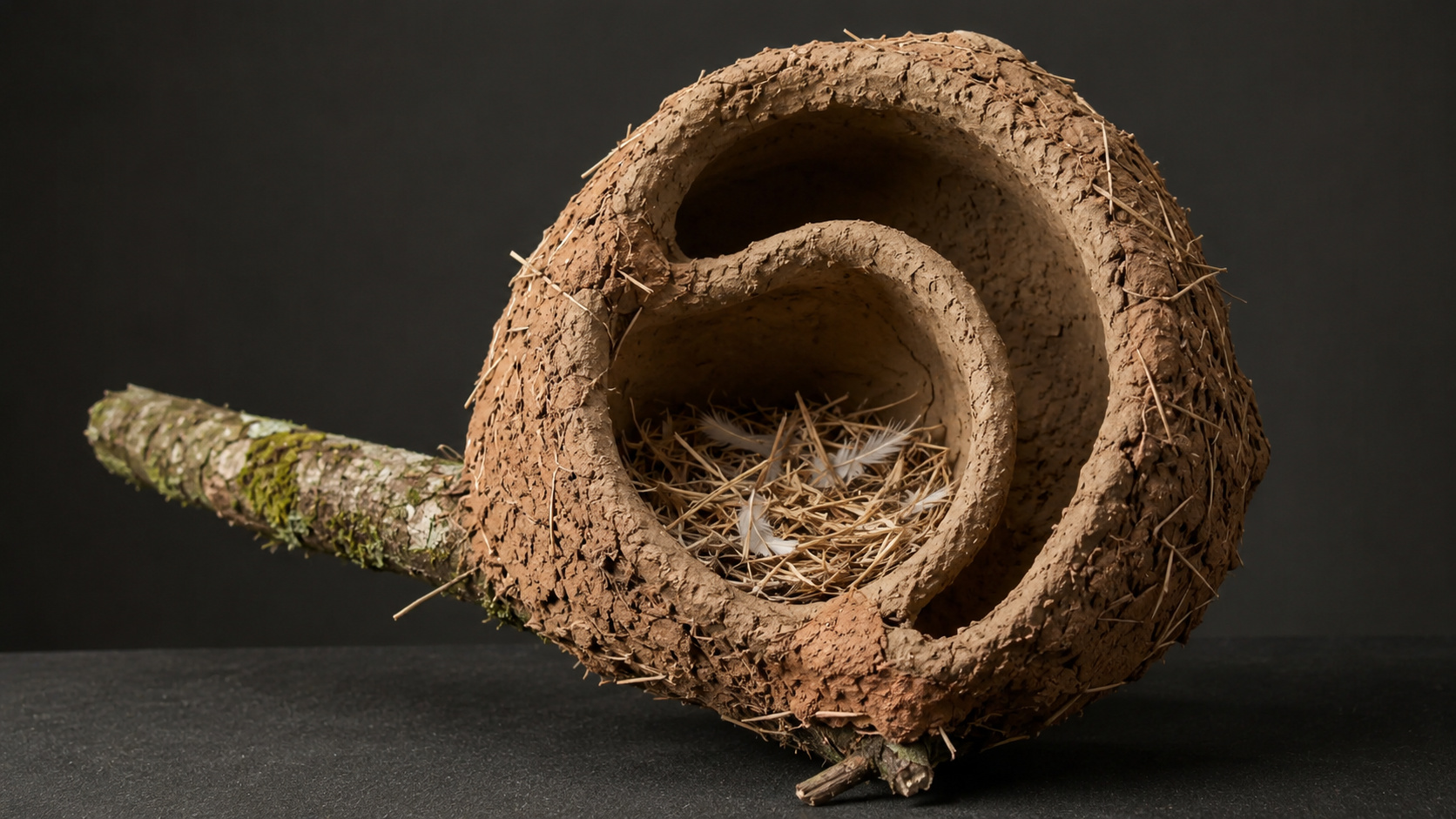
João-de-barro doesn’t just build a nest; it constructs a clay capsule with thermal insulation that withstands heat, wind, and rain.

-
Rare case in Minas Gerais draws attention after a sow gives birth to 46 live piglets in a delivery that surprised even those knowledgeable in pig farming.
-
Provatti popcorn corn is removed from shelves after label says “gluten-free” while also warning about wheat
-
The United States government approved a potential sale of 100 portable Stinger anti-aircraft missiles to the Brazilian Army, in a package estimated at around 330 million dollars that still depends on negotiations between the two countries.



Natural engineering sustains the fungus gardens
The ants do not directly eat the pieces of leaves they carry.
In practice, this plant material serves as a base to feed the fungus cultivated inside the nest.
The digestive system of the ants cannot break down cellulose well. Therefore, the fungus performs this biological transformation and converts the plant material into food.
Thus, leaves, flowers, and sprouts become an essential source of nutrients for the entire colony.
According to research on farming ants, this symbiotic relationship has existed for about 50 million years.
Leaf collection follows strict criteria
The work routine begins on the trails opened by the workers.
Daily, they go out in search of suitable plant parts for the underground gardens.
The choice of plants does not happen by chance.
When a leaf contains substances capable of harming the fungus, the collection of that species is quickly stopped.
After that, the fragments are taken to the interior of the anthill.
In the nest, other workers crush the material, mix it with saliva and enzyme-rich feces, and deposit everything in the cultivation chambers.
Bacteria help protect the plantation
The hot and humid environment of the Amazon favors the proliferation of parasitic fungi and competing bacteria.
For this reason, the colony needs to constantly protect its fungus gardens.
Research published in the journal mBio indicates that cultivating ants can maintain symbiotic bacteria on their own bodies.
These bacteria produce natural and selective antibiotic compounds.
When harmful spores appear, the workers perform mechanical cleaning and apply this biological control over the affected areas.
This mechanism reduces the risk of losing the main crop and demonstrates an advanced form of natural defense.
Ventilation keeps the nest climate stable
Fungi need balanced temperature and humidity to survive.
For this, the ants build chambers at specific depths in the soil.
The soil acts as a thermal insulator and reduces variations caused by surface heat.
Vertical ducts act as natural chimneys.
The warm air generated by the ants’ respiration and the fungi’s metabolism rises and exits the nest.
At the same time, lateral entrances allow the arrival of fresh and oxygenated air.
Impact on the soil strengthens the forest
The activity of these colonies also modifies the surrounding environment.
By digging tunnels and chambers, the ants help aerate the soil and can favor the infiltration of rainwater.
Residues from old gardens and bodies of dead ants are taken to deep areas of the anthill.
Over time, this material rich in nitrogen, phosphorus, and potassium increases local fertility.
Studies by Paulo Moutinho and collaborators, published in 2003, pointed out physical and chemical changes in soils occupied by Atta sexdens nests in eastern Amazonia.
Preservation of the Amazon protects living laboratories
This system depends on the stability of the forest.
Illegal deforestation, excessive use of chemical pesticides, and changes in rainfall patterns threaten associated insects, fungi, and microorganisms.
Protecting the Amazonian soil also means preserving biological relationships that function as true natural laboratories.
These ants show that sustainability, nutrient recycling, and organized production have existed in nature for millions of years.
What do you find most impressive about this system: the ants’ ability to cultivate fungi or the way they naturally control pests within the anthill?




Be the first to react!