






 Portuguese
  Spanish


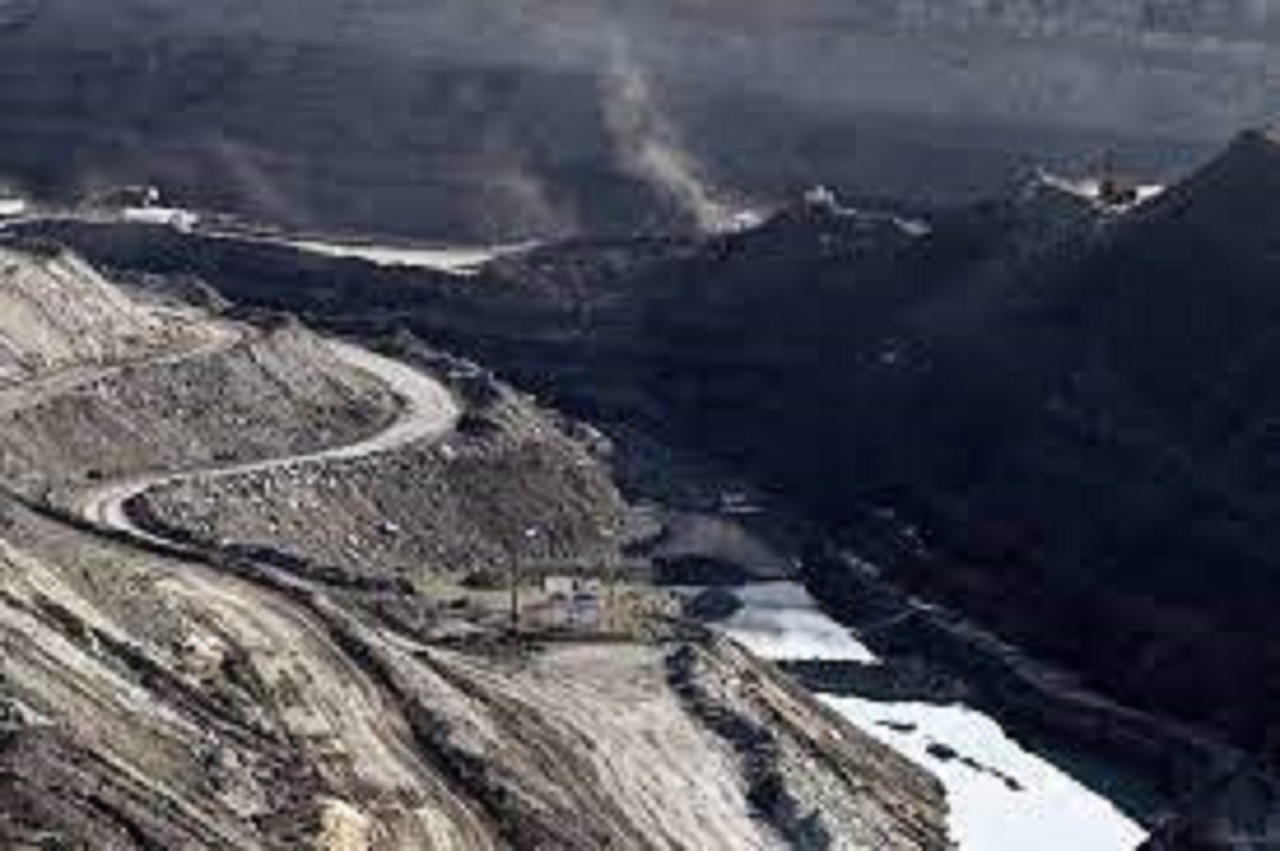

Brazil, The Last Latin American Country With Coal Projects
The 9th annual Boom and Bust report from Global Energy Monitor (GEM) warns that Brazil is the last country in Latin America with active coal projects.
The country has a unique opportunity to become a “coal-free” nation by discontinuing these ventures and planning the closure of the few existing plants. These plants provide a minimal amount of energy and consume billions in annual subsidies, a cost shared among all consumers in the country.
Opportunity for Leadership in the Fight Against Climate Change
Gregor Clark, manager of the Energy Portal for Latin America at GEM, emphasizes the opportunity Brazil has to lead the fight against climate change by canceling the development of new coal plants.
-
Study Reveals 97% of Pregnant Munduruku Women in the Brazilian Amazon Have Mercury Levels Above Safe Limits, 90% of Newborns Contaminated by Gold Mining

-
Chinese Manager Accused of Whipping Worker Sparks Protest by 1,200 Employees at Major Brazilian Factory
-
France Revamps 530 Social Housing Units with Large Balconies and Glass Facades Without Demolishing Existing Buildings

-
10-Year-Old Max Makes History with Paris Fashion Show, Launches Own Brand, Hires Staff, and Sets World Record as Youngest Runway Designer





This decision would have a significant impact, especially considering that Brazilian coal is more inefficient and polluting than coal from other regions.
Necessary Reduction in Coal Energy Capacity
Globally, the report indicates that to achieve the climate goal of phasing out coal by 2040, it is necessary to reduce average coal energy capacity by approximately 117 GW per year, a pace at least 4.5 times faster than the current rate.
Additionally, it highlights the importance of canceling any new coal projects worldwide.
In 2022, operational coal capacity increased by 19.5 GW, or less than 1%. More than half (59%) of the 45.5 GW of new capacity commissioned was in China, with a total of 14 countries adding new coal plants. Excluding China, coal continued to decline, although at a slower pace than in previous years.
Latin America Moving Towards a Coal-Free Era: Opportunities and Challenges
Including pre-construction and construction phases, it has remained relatively stable since 2019, after a significant drop from the highs of 2014. The number hit a record low of 479 GW in 2021 but rebounded to 537 GW in 2022, a 12% year-on-year increase led by China.
Although the European Union retired a record 14.6 GW of coal capacity in 2021, the gas crisis and the Russian invasion of Ukraine slowed this trend, with only 2.2 GW retired in the last year. However, temporary restarts and emergency extensions are expected to be phased out in the coming years.
The United States led coal retirements with 13.5 GW retired in 2022.


