Portuguese
  Spanish


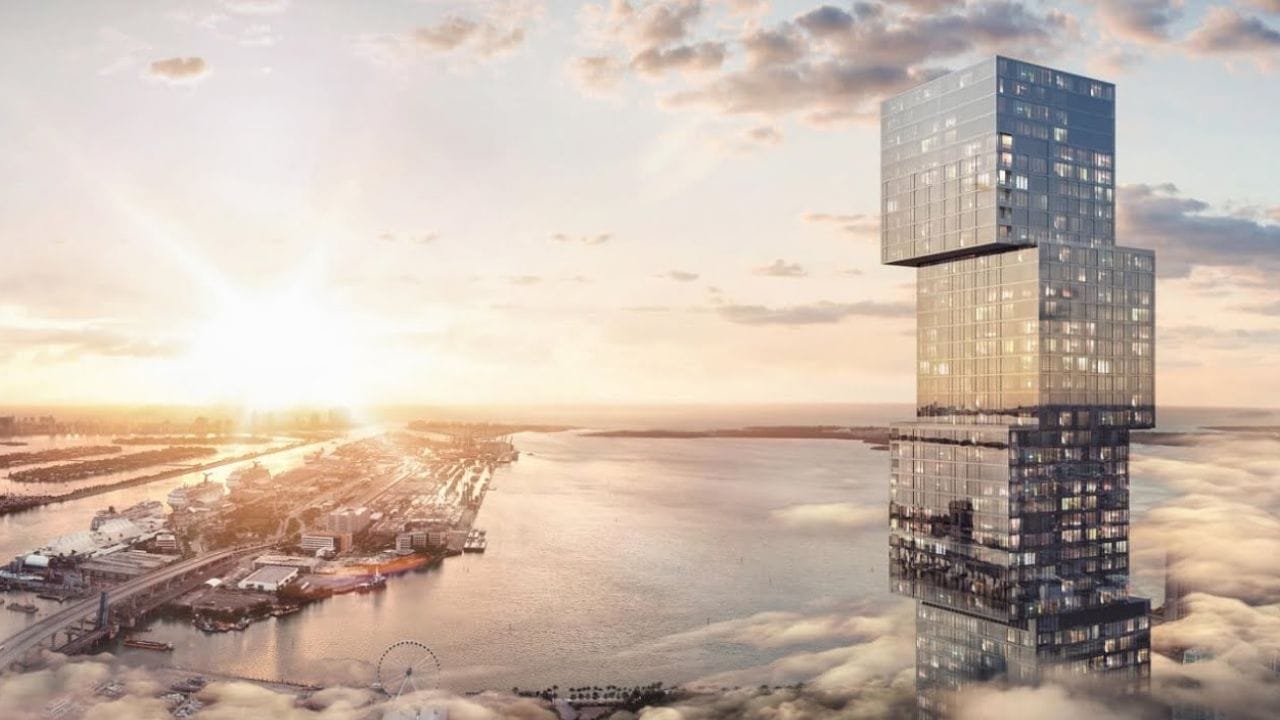

With a Series of Super Skyscrapers Under Construction, Miami is Transforming into the Next Megacity of America, Challenging Both Opportunities and Climate Threats.
Miami, known as the “Wall Street of the South“, is experiencing an unprecedented urban renaissance. With a mass migration of financial firms to Florida, attracted by looser restrictions during the pandemic, milder weather, and lower taxes, the city is at the center of a transformation in America. This massive influx of people is generating real effects, with nine supertall skyscrapers under construction, including the first already underway, which will become the tallest buildings on the East Coast of the U.S. outside New York City.
Meanwhile, rents in Miami are skyrocketing, pushing some residents to more distant suburbs. All of this development occurs amid climate change, with Miami facing real challenges like rising sea levels and the threat of hurricanes. Despite these challenges, Miami is striving to become the next megacity of America, although its future may be at risk. Miami’s tallest skyscraper will be the Waldorf Astoria Miami, expected to be completed in 2026.
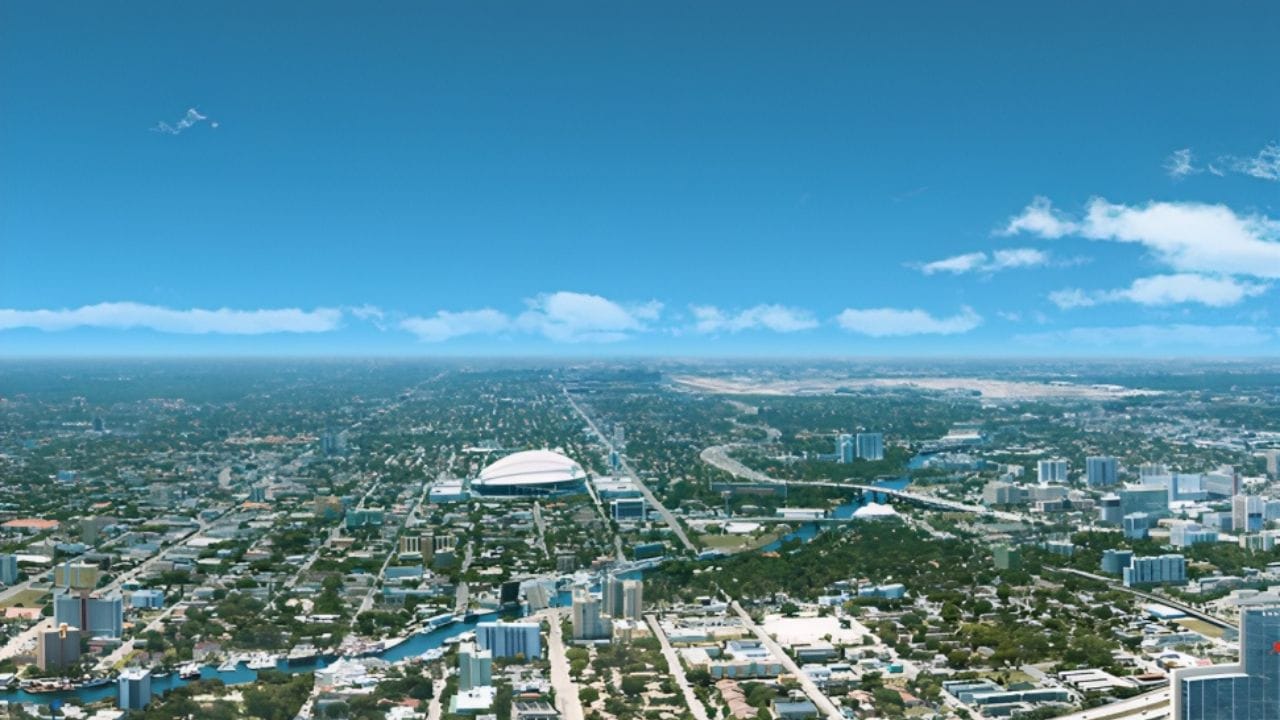
Miami as a Technological and Financial Hub of America
Experts now assert that Miami could become a major technological and financial center, ranking alongside Silicon Valley and London within a decade. However, the city is also facing a rising cost of living, with rents increasing by 45.8% in the past year, making Miami the city with the highest rental burden in the United States.
-
28-meter, 156-ton titans traveled 20,000 km from China to the port of Santa Catarina: Portonave received 7 fully electric megacranes, part of a R$ 210 million package, to double container handling.

-
They exchanged the idea of a large house for a 35 m² warehouse, spent US$ 12,000 on the structure, and created a tiny house in Colorado with space to live and work.

-
A newly opened terminal in the middle of the Amazon has begun transporting soy and corn through Amapá, eyeing the queue of ships that is congesting the ports in the South.

-
Goodbye to old tiles: renovation technique without construction transforms bathrooms in a few hours, eliminates debris, and reduces costs with coverings using special paints, high-resistance adhesives, and modern finishes that completely renew the space.



Construction in Miami is a double-edged sword. On one hand, there is an investment in new businesses that is expected to boost the local economy. On the other hand, the skyrocketing prices of real estate and rents are pushing local residents out, clogging the roads and swelling the suburbs.

Investment of 4 Billion Dollars Over 40 Years
Confronting its uncertain future, Miami is investing US$ 4 billion over the next 40 years in new seawalls, elevated roads, higher capacity pumps, and drainage systems to alleviate flooding. Some neighborhoods may have to adopt a managed retreat strategy, being abandoned over the next two decades due to high maintenance costs.
The challenges faced by Miami reflect a new reality in Florida’s real estate market: “climate gentrification.” Higher elevation areas in the city are experiencing a sudden increase in value due to flood fears, turning historically poorer and blue-collar neighborhoods into sites of mega-luxury development.
Miami is undeniably on the rise, with explosive growth, record construction, and supertall skyscrapers and megacities, the city is becoming a powerhouse on the East Coast. However, as the frontline of America’s climate crisis, Miami will face the worst impacts of rising sea levels and more frequent and destructive hurricanes. How the city will combat its impending future and build to face the approaching storm remains a crucial question.