






 Portuguese
  Spanish
  5 min of reading
  0 comments


Discover How the Performance of Distributed Generation in the 1st Semester Reveals Challenges and Opportunities for Integrators and Consumers in the Sector.
The performance of distributed generation (GD) in Brazil has become increasingly relevant for integrators, investors, and consumers.
Moreover, in recent years, the country has established itself as one of the largest markets for photovoltaic energy in the world. This has happened thanks to public policies, tax incentives, and an increase in societal environmental awareness.
Historically, distributed generation expanded in Brazil in response to the growing demand for electricity in residential and commercial areas.
-
USP researcher creates thesis to attract international funds for the country’s electric energy sector

-
Trafigura receives authorization from ANEEL to trade electricity in Brazil and expands its operations in the largest energy market in Latin America.
-
Mobile solar panels promised to share space with corn crops, but the 20% to 25% shade reduced production by an average of 7.7% and opened a new dispute between energy and food.
-
More than 80 million kilometers of wires need to be replaced by 2040: the energy transition doesn’t just depend on panels and electric cars, but on a colossal race for copper, aluminum, transformers, and recycling of old cables.



At the same time, it aimed to reduce dependence on large power plants and optimize the national energy matrix.
Thus, at the beginning of the 2010s, the ANEEL regulation for the electricity compensation system, known as net metering, encouraged the installation of solar panels in homes and small businesses.
This model democratized access to energy production, stimulating a competitive and innovative market.
The first semester of 2025 brought challenges that require attention and innovative strategies to maintain competitiveness in the sector.
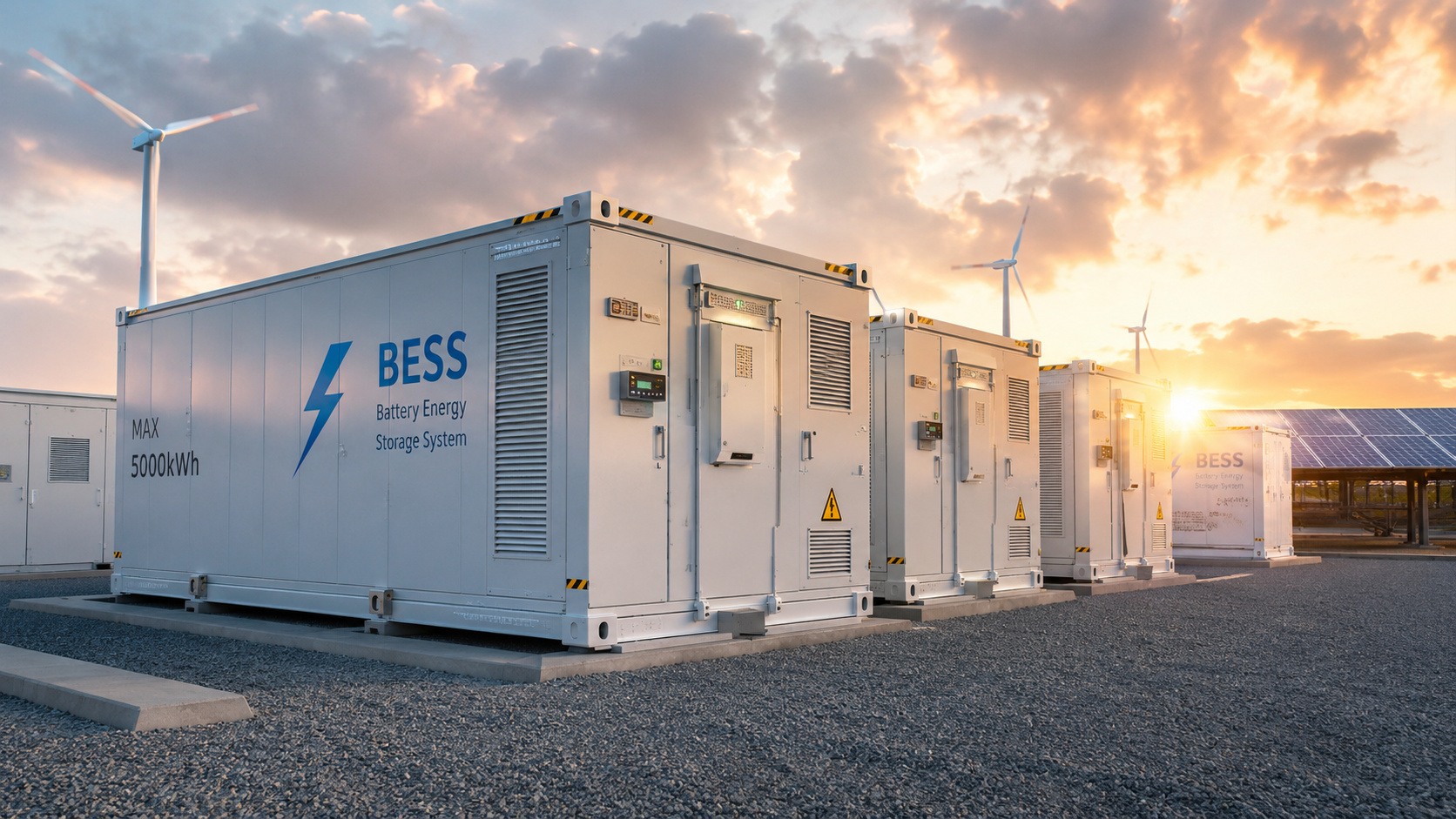
Additionally, the scenario reinforces the need to integrate new technologies, such as storage batteries, intelligent monitoring systems, and hybrid solutions that combine solar with other renewable sources.
Market Challenges and Module Imports
The strategic study by Greener, recently released, analyzed in detail the performance of distributed generation in the first semester of 2025.
Therefore, the market showed a decline in the sales of photovoltaic systems and in the volume of financing, reflecting technical and financial difficulties faced by integrators.
One of the factors that most impacted the market was the rush to import photovoltaic modules at the beginning of the year.
The increase in the import tax, from 9% to 25%, motivated manufacturers to anticipate purchases by taking advantage of exempt quotas.
The result was a record number of imported modules in the first quarter of 2025.
This shows the market’s ability to rapidly adapt to tax changes.
However, the end of the tax benefit, combined with the rise in interest rates, caused a slowdown in the second quarter. There was a significant decline in the volume of imports compared to the previous quarter.
Even so, the localization of modules remained stable. This demonstrates the resilience of the sector and the consolidation of a more robust local supply chain.
Furthermore, the experience accumulated over the past few years shows that diversifying suppliers and forming strategic partnerships minimize risks and ensure the continuity of projects.
Trends by Power Range and Integrators’ Profile
The performance by power range revealed important trends.
Small systems, up to 9.9 kW, recorded a decline in imported volume.
Meanwhile, larger systems, over 100 kW, showed a significant increase.
Consequently, integrators are seeking portfolio diversification and focusing on more complex projects that can generate higher margins and ensure competitiveness in an increasingly professionalized market.
The profile of integrators also deserves attention. Companies with more experience and a consolidated portfolio installed large volumes of systems.
Meanwhile, new entrants had to adapt, structuring operations and investing in commercial efficiency.
Greener’s research showed that, although the average number of quotes has decreased, the conversion rate of sales has increased.
This reflects customer segmentation strategies and optimized resource management.
Thus, the performance of distributed generation depends not only on the installed volume, but also on the ability of companies to manage clients and processes efficiently.
Moreover, the advancement of digital technologies, such as remote monitoring software and data analysis, allows integrators to optimize processes, reduce costs, and offer differentiated services.
This increases customer satisfaction and strengthens market reputation.
Sales, Financing, and Service Opportunities
More than half of the integrators sold small residential or commercial systems. This consolidated the predominance of residential end consumers.
However, access to credit faced retrenchment compared to 2024. This happened due to the increase in interest rates and the higher selectivity of banks.
This situation reinforces the importance of maintaining good relationships with financial institutions and structuring competitive financing options for customers.
Thus, it is possible to ensure expansion and sustainability in the long run.
The survey also highlighted specific technical challenges, such as the flow inversion, which affected part of the projects and required integrators’ attention regarding regulatory compliance.
Moreover, the rise of so-called “orphaned clients“, that is, consumers without support from the company that installed the system, represents a significant opportunity.
Integrators who structure recurring service offerings, such as maintenance, monitoring, and system expansion, can turn this demand into additional revenue.
This contributes to the longevity and reputation of the company in the market.
Attention to orphaned clients also paves the way for the development of integrated service packages, which can combine periodic inspection, technological updates, and post-installation support, consolidating consumer trust and strengthening customer loyalty in the long run.
Prices, Technology, and Competitiveness
Regarding the price of photovoltaic kits, the study pointed out variations throughout the semester.
The average costs of smaller systems decreased, while large projects recorded increases, reflecting the market dynamics and the adjustments in the prices of imported inputs.
Therefore, these fluctuations reinforce the need for strategic planning, negotiation with suppliers, and portfolio diversification to maintain competitiveness.
The current scenario evidences that the performance of distributed generation depends on multiple factors, including adaptation to regulatory changes, efficient management of clients and processes, diversification of products and services, as well as investment in technology, such as batteries and chargers for electric vehicles.
Moreover, the ability to innovate, retain customers, and anticipate trends has become as relevant as the physical installation of systems.
Investing in hybrid solutions, integration with intelligent systems, and connected services contributes to differentiating companies and increasing competitiveness.
Sector Perspectives
Historically, the GD sector evolved from a model focused exclusively on residential production to a more complex and professional structure.
Currently, it encompasses small, medium, and large companies.
The entry of new players, the demand from more informed consumers, and the macroeconomic challenges require integrators to constantly revisit their strategies.
The performance of distributed generation results from the combination of technical expertise, client management, technological innovation, and financial resilience.
The Greener study confirms that distributed generation in Brazil continues to expand, even in the face of challenges.
Thus, the market demonstrates maturity in dealing with price fluctuations, financing, competition, and regulation, offering opportunities for integrators who adapt and diversify their operations.
In summary, the performance of distributed generation in the first semester of 2025 reveals critical points, but also clear opportunities for growth.
Companies that invest in quality of service, diversification of services, customer loyalty, and integration of innovative technologies will be better positioned to stand out in a competitive and constantly evolving market.
Distributed generation is not just an energy alternative. It also presents itself as a strategic tool for sustainability, innovation, and competitiveness in contemporary Brazil.





Be the first to react!