






 Portuguese
  Spanish


Work at the port of Faroz uses giant concrete blocks to reinforce protection against strong waves in the Black Sea and reignites the debate on coastal safety in vulnerable fishing areas.
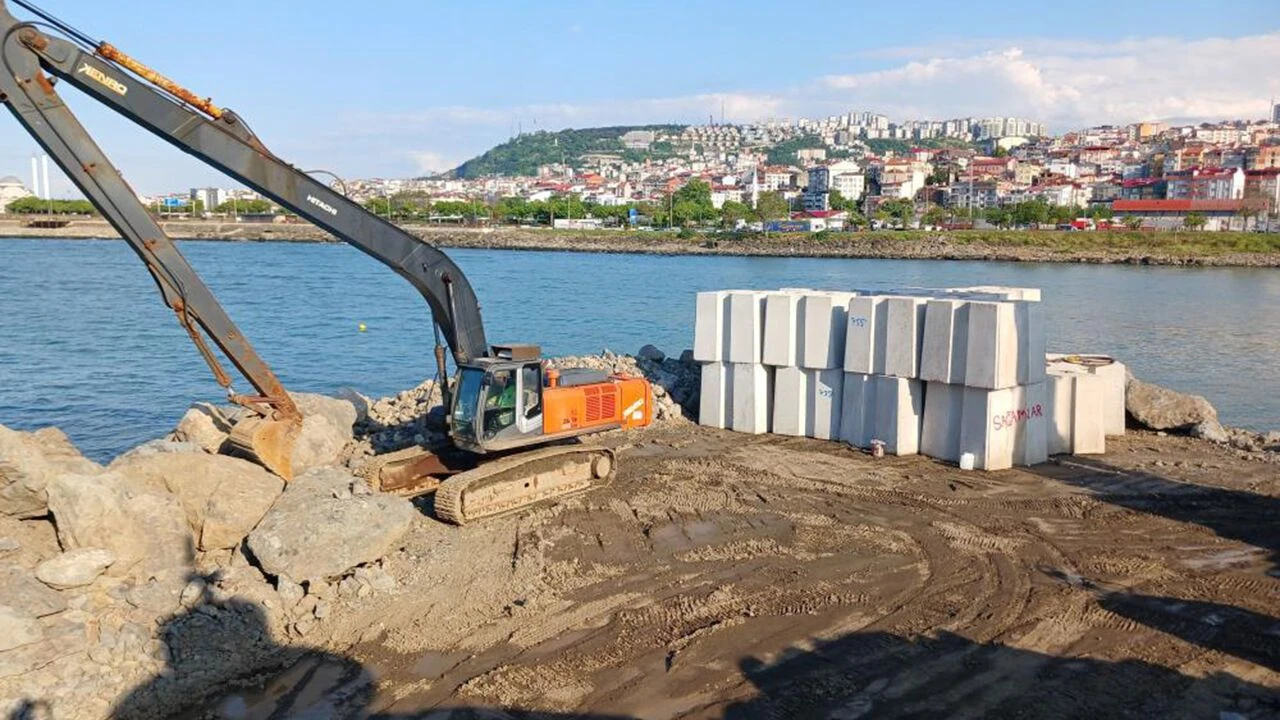
The fishing port of Faroz, in Trabzon, in northeastern Turkey, has begun receiving around 5,000 concrete blocks of 21 tons as part of a project to reinforce protection against strong waves in the Black Sea.
The installation of the pieces with cranes was recorded on May 31, 2026, by the Turkish agency İHA, in a report on the progress of the work at the site.
The intervention occurs after episodes where the sea surpassed the existing breakwaters, advanced over the internal area of the port, damaged smaller vessels, destroyed fishing nets, and caused the sinking of five boats.
-
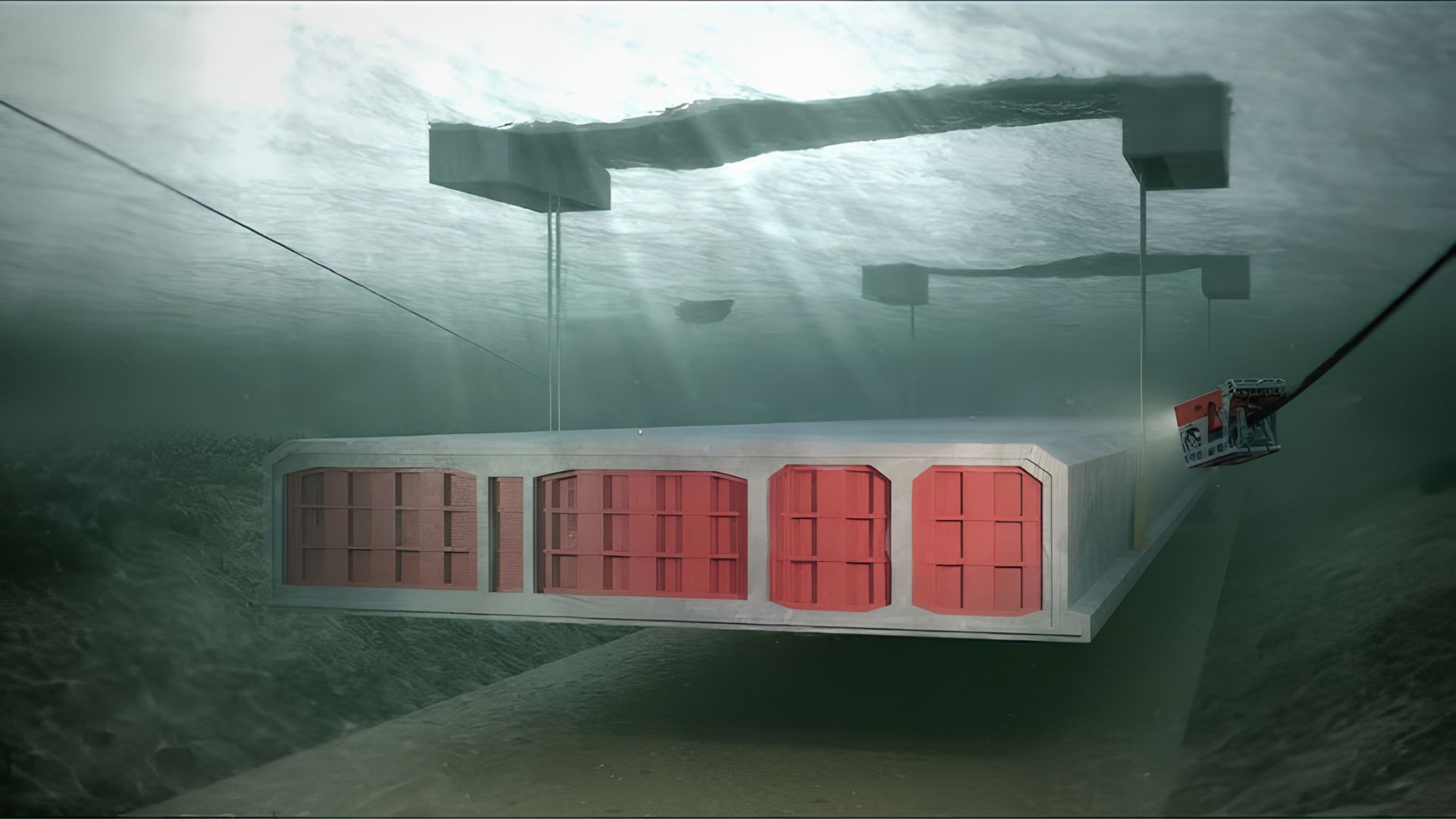
South Korea Tows 18 Concrete Blocks Weighing Up to 48,000 Tons Over 36 km to Construct a 3.2 km Underwater Tunnel Between Busan and Geoje, Installed Nearly 50 Meters Deep

-
Chinese Tianwen-2 Mission Targets Near-Earth Asteroid After 1 Billion Kilometer Journey to Collect Ancient Samples, Aiming to Uncover Clues About Water, Organic Compounds, and Solar System Origins Before Heading to a Comet

-
France Constructs 900-Meter Sea Wall in Brest, Expands Port by 14 Hectares for Marine Renewable Energy Hub
-
New Discovery Suggests Prehistoric “Hobbits” May Have Survived on Komodo Dragon Remains

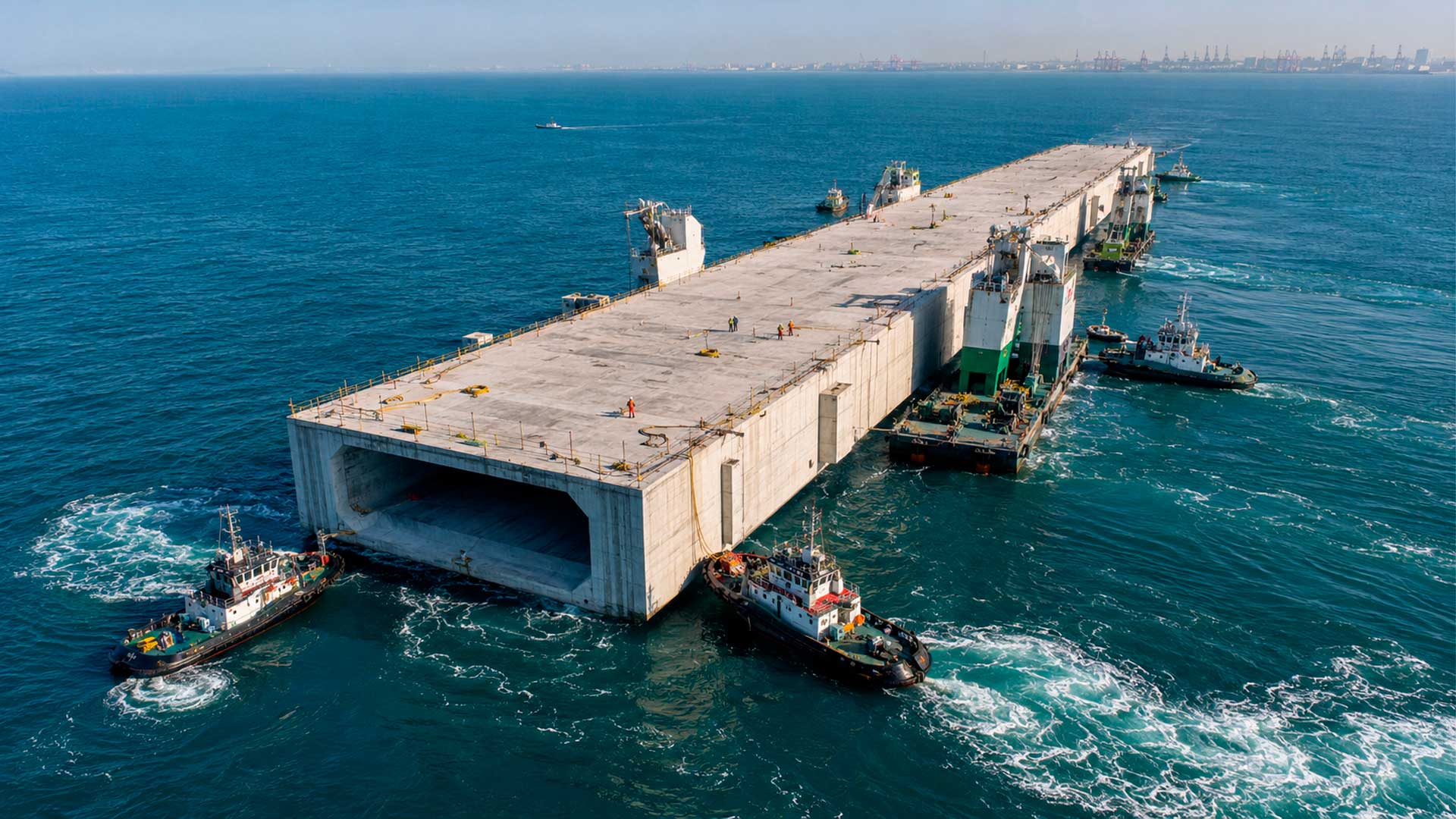

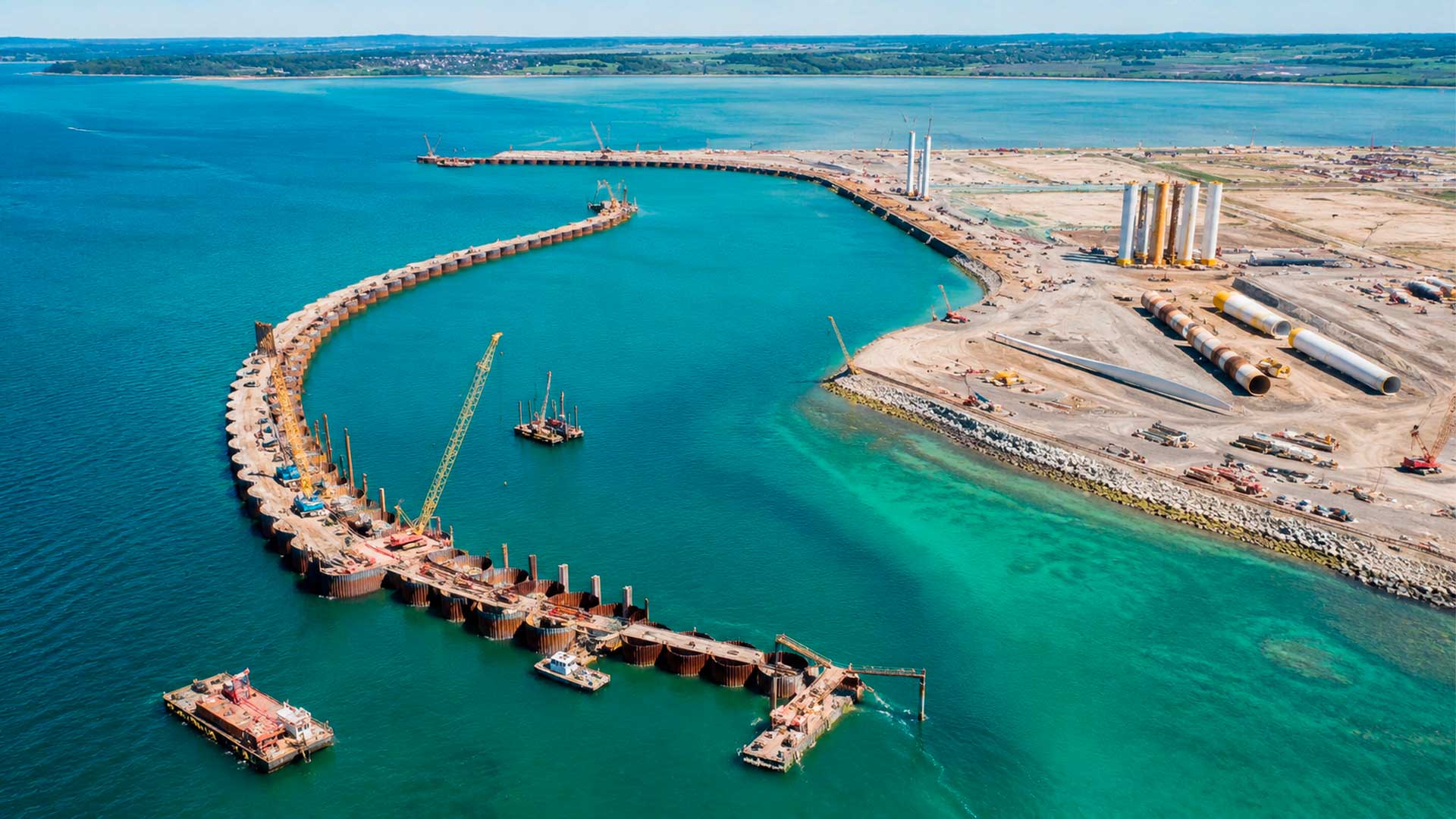
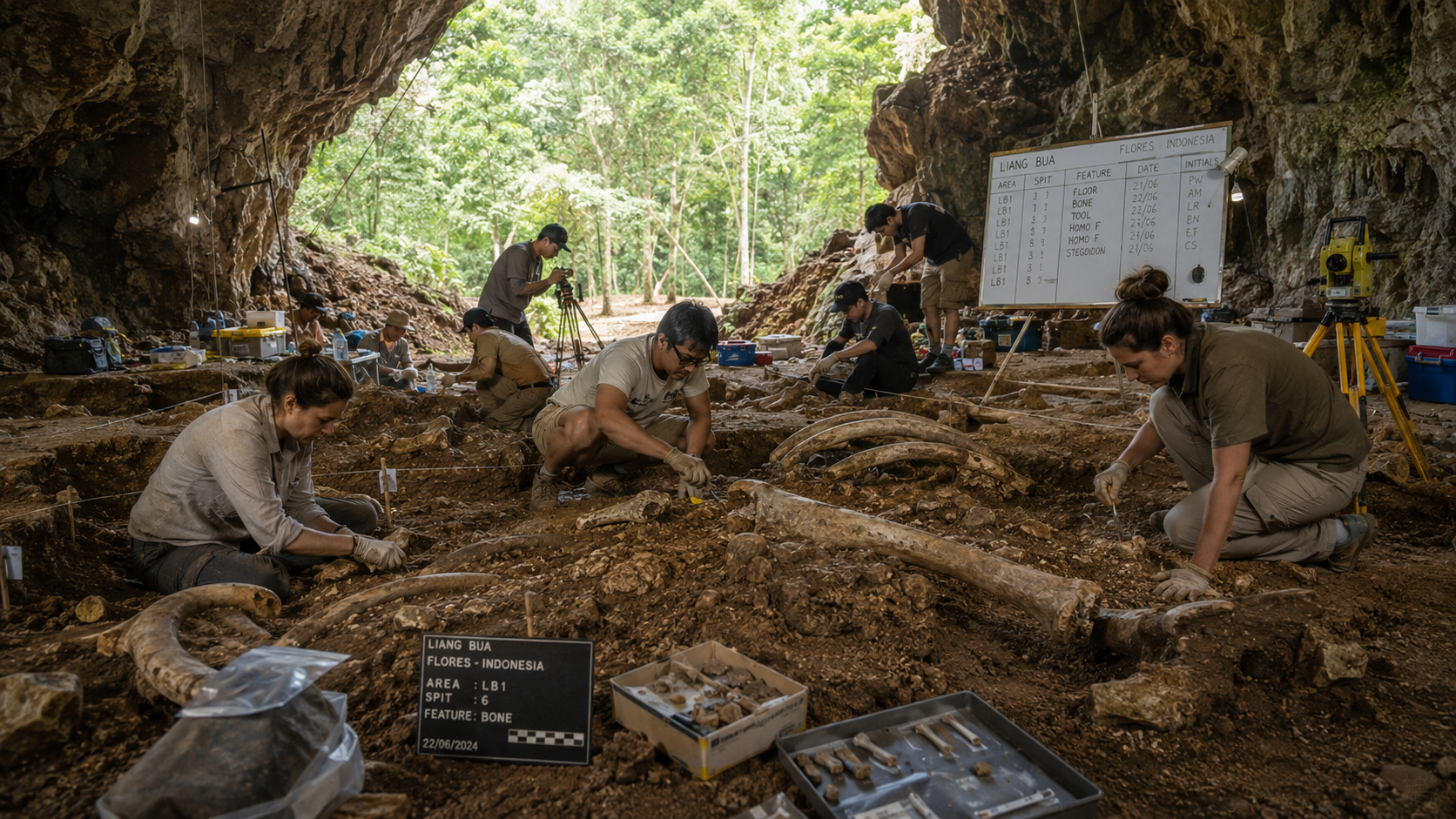
According to İHA’s coverage, the project is part of an action linked to the Ministry of Transport and Infrastructure of Turkey to strengthen the Faroz fishing shelter.
The new protection began to be assembled in the area facing the sea.
Each block has a weight equivalent to that of a large industrial load and needs to be positioned with specific equipment, as the function of the structure depends both on the mass of the pieces and the way they are aligned along the port.
In maritime works, large-volume concrete blocks and rocks are used to reduce the energy of the waves before they reach sensitive areas of the coast.
Technical materials on coastal defense describe this type of solution as a way to alter the direction of the waves, dissipate part of the water’s energy, and reduce the impact on port structures, beaches, or urbanized areas.
Reinforcement at the port of Faroz against Black Sea waves
Faroz is one of the fishing ports of Trabzon, a city located on the Turkish coast of the Black Sea.
The project was planned to reduce the exposure of the shelter to waves that, in previous episodes, managed to surpass the existing protection and reach boats docked in the internal part.
The İHA report states that the blocks began to be placed with the aid of cranes.
The work involves the installation of the pieces in the maritime part of the port, in a phase aimed at reinforcing the breakwater system.
The forecast mentioned in the publication is that the services will be completed by the end of 2026.
The structure was not presented by the consulted sources as a broad expansion of the port, but as a protective measure against waves.
In a previous report, published in May 2025, the president of the local fishermen’s cooperative, Mehmet Candeğer, stated that the intervention aimed to replace old protective materials and reinforce the vulnerable section of the shelter.
The same coverage indicated that the blocks would be placed at the back of the port, with advancement limited to the area necessary for reinforcement.
The information helps differentiate the work from a conventional expansion, as the focus described by Turkish sources is the safety of the structure against the action of the sea.
Damage caused by waves at the fishing port
The damage that motivated the project occurred about two and a half years before the start of block installation, according to the report of May 31, 2026.
At that time, strong waves passed through the breakwaters and hit small boats, nets, and other equipment used by fishermen at Faroz port.
Turkish sources report that five boats ended up submerged after water entered the port area.
There was also damage to nets valued at thousands of Turkish liras, although the total damage values were not detailed in the publications consulted.
After the incident, the Ministry of Transport and Infrastructure of Turkey started a project to reinforce the site’s protection, according to İHA.
Reports published in 2025 already indicated that the project would use 21-ton blocks and that the production of the pieces would be done before the installation phase at sea.
In October 2025, the Deniz Haber portal reported that the production of the blocks was advancing at a rate of 15 to 20 units per day.
At that time, the estimated use was approximately 4,000 to 5,000 pieces, a number that appears in later reports as about 5,000 blocks.
How concrete blocks reduce the force of waves
Breakwaters and coastal structures of this type are designed to create a zone of less agitation behind the barrier.
When the wave encounters large mass blocks, part of the energy is absorbed, reflected, or dissipated by the structure’s own geometry, as described in coastal engineering manuals and technical publications.
In the case of Faroz, the available information indicates the use of 21-ton concrete blocks, and not smaller pieces or just loose rocks.
The choice of heavy elements is compatible with projects that need to withstand the repeated impact of waves and reduce the risk of unit displacement during periods of rougher seas.
The efficiency of a sea barrier, however, does not depend solely on the individual weight of the pieces.
In coastal engineering projects, factors such as depth, wave exposure, slope, base layer, support material, and block distribution form are also considered.
These elements influence the stability of the structure and the amount of energy that reaches the protected area.
For this reason, projects of this magnitude are usually carried out in stages.
First comes the production of the pieces, followed by transportation, area preparation, and positioning with appropriate machinery.
In Faroz, Turkish reports indicate that the current phase involves precisely the placement of blocks around the port with cranes.
Protection for fishermen and vessels in Faroz
The protection of the port is directly related to the routine of Faroz fishermen.
In small and medium-sized shelters, boats, nets, engines, and equipment remain close to the water and can be hit when a swell surpasses the breakwaters.
In these situations, the damage is not limited to the physical structure of the port.
A damaged vessel can interrupt the activity of a family or a work team.
Lost or unusable nets also represent an additional cost for those who depend on fishing.
The reports on Faroz highlight precisely this type of loss, mentioning small damaged boats, destroyed nets, and five sunken vessels.
The project seeks to reduce this risk by creating an additional line of resistance against the waves.
There is no indication in the consulted sources that the intervention completely eliminates the possibility of new damages, but the project was presented by Turkish authorities and the press as a reinforcement measure to reduce the port’s vulnerability.
Besides the protection of the vessels, the continuity of fishing activity depends on minimum shelter conditions.
Ports like Faroz function as points for storage, unloading, maintenance, and organization of work at sea.
When the infrastructure is compromised, the daily operation of fishermen can also be affected.
Coastal work with 5,000 concrete blocks
The number of blocks planned in the project draws attention due to the volume of material involved, but the central information lies in the scale of the response adopted after the damages at the port.
There are about 5,000 pieces, each weighing 21 tons, positioned to reinforce a structure previously hit by strong waves.
Publications specializing in coastal engineering indicate that concrete blocks and protective layers are common resources in breakwaters, especially when the structure needs to dissipate wave energy and protect port areas.
The application in Faroz follows this general logic, with the particularity of involving a large number of pre-molded units.
The case also shows how coastal infrastructure works can bring together themes of engineering, safety, and local economic activity.
The installation of the blocks is a technical response to a concrete problem: waves that surpassed the existing barrier and directly hit fishermen’s boats and equipment.
With completion expected by the end of 2026, according to the İHA agency, the port of Faroz is expected to operate with reinforced protection in the area most exposed to the Black Sea.
Until then, the work continues as an example of coastal intervention where large-weight concrete pieces are used to try to reduce the impact of waves on port structures.





Bosporus Strait has deep under water cold dense OUTFLOW on its Floor – from Black Sea to Mediterranean outlet – Sub-surface Hydro Turbines could be placed for power output.
GIANT CONCRETE Capsans could capture the outflow channel it & produce power that’s now wasted energy & be environmentally clean & safe.