Portuguese
  Spanish


Study Highlights Urgency to Adapt Infrastructure to the Digital and Sustainable Era
The National Academy of Engineering (ANE), in collaboration with CIGRE-Brasil, released a technical study in October 2024 proposing changes to the regulatory framework of the electricity sector. The document, titled “Modernization and Extension of the Useful Life of the Electric Grid – Potential Improvements to the Brazilian Regulatory Framework”, was prepared following a cooperation agreement between the two entities.
The aim is to adapt the country’s electric grid to new demands for reliability, technological innovation, and sustainability amidst a scenario of increasing complexity in the energy system.
Historical Context and Current Challenges
The survey recalls that, since the reforms of the 1990s, the Brazilian electricity sector has undergone privatizations and segmentation between generation, transmission, and distribution.
-
Green Roofs on Homes Gain Popularity for Reducing Heat, Noise, and Rain Impact in Brazil

-
Brazilian promises his children to save a river, creates an eco-barrier in his backyard, has already removed more than 40 tons of trash from the water, and even inspires the idea in other states of the country.

-
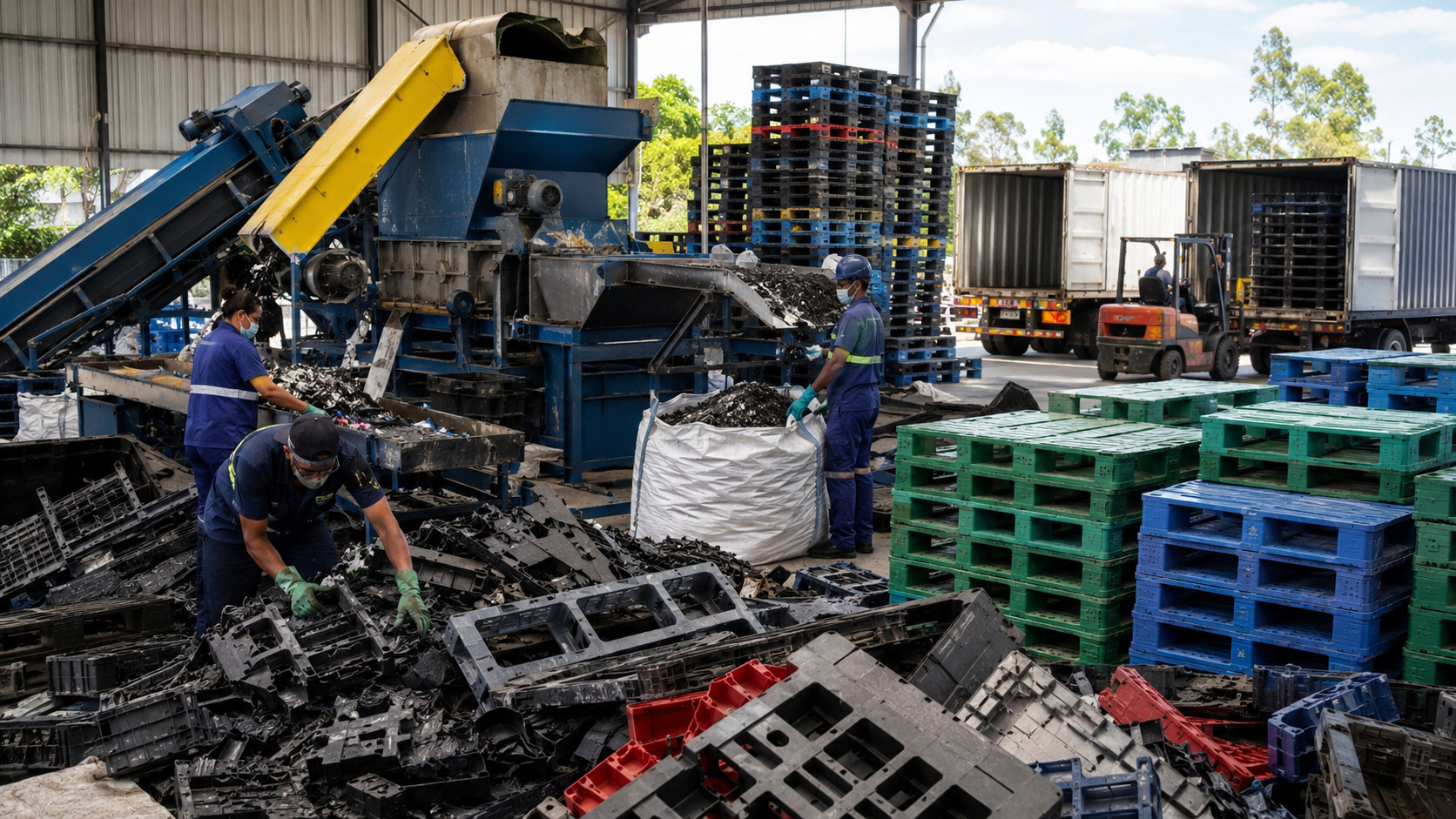
How a Brazilian company created a system that transforms broken pallets of any brand into new assets, recycles 80 tons of plastic per month, and found a profitable solution to a problem that challenges industries across the country.
-
Invasive bullfrog capable of devouring other amphibians and laying up to 20,000 eggs is found in Florianópolis, raising an alert about the threat to native fauna.



However, with 30-year concessions nearing expiration and investments that already exceed R$ 500 billion, experts point out that the current regulatory model — structured around revenue caps — does not meet the requirements for modernization.
Thus, the study emphasizes that the revision of regulations has become essential to ensure safety, efficiency, and continuity of services.
Proposed Measures
According to the report by ANE and CIGRE-Brasil, among the most relevant points are:
- Extension of the useful life of electrical assets, avoiding premature replacements and reducing costs;
- Incorporation of digital technologies, aligned with the transformation of the sector;
- Strengthening of asset management, ensuring greater reliability;
- Promotion of electrical grid resilience, in light of the expansion of distributed generation;
- Encouragement of energy transition, in line with sustainability commitments made by Brazil.
Through these proposals, the institutions advocate for regulation that encourages economic efficiency and prepares the electrical system for the coming decades.
Statements and Expected Impact
In an interview released in December 2024, Mário Menel, president of ANE, Abiape, and Fase, stated:
“The modernization of the Brazilian electric grid is urgent. The country needs a regulatory framework aligned with technological advancements, sustainability requirements, and the increasing complexity of the energy system. Our study is a technical and proactive contribution, aimed at the national interest. The goal is to promote a qualified debate among specialists, regulators, and industry representatives, to build solutions that ensure efficiency, safety, and longevity for electrical infrastructure”, he emphasized.
The analysis, therefore, aims to stimulate strategic discussions that directly involve the government, sector agents, and research entities.
Availability of the Study
The complete report, resulting from the partnership established in October 2024, is available for consultation on the National Academy of Engineering website.
The material consolidates recommendations for Brazil to move towards a digitalized, resilient, and sustainable electrical infrastructure, compatible with the challenges of the next decade.