






 Portuguese
  Spanish


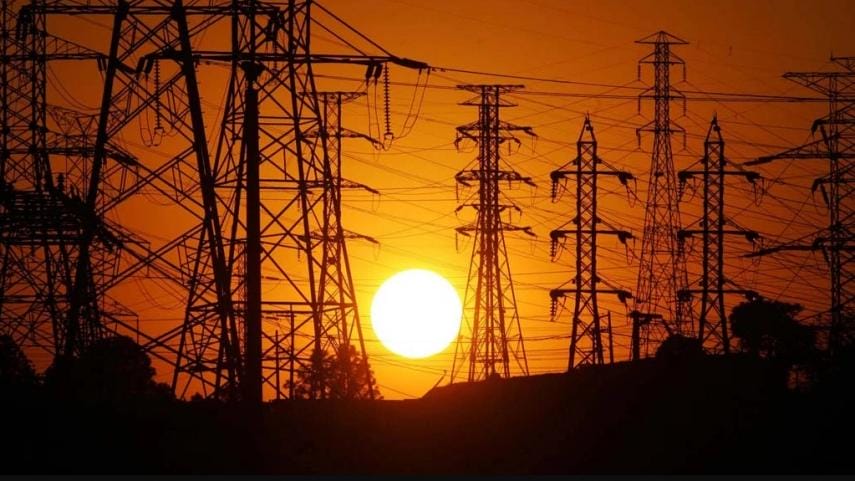

Level Was Maintained Due to Favorable Energy Generation Conditions in the Country, Allowing Energy Stability in a Highly Favorable Context for the Sector. Moreover, Maintaining the Level Was Essential to Ensure Continuous Energy Supply for the Population and Industries.
The Green flag, when there is no additional fee, indicates that the cost of energy production is low. In contrast, the yellow and red flags 1 and 2 represent an increase in generation costs and the need to activate thermal plants, which is mainly related to the volume of reservoirs.
The Green flag came into effect from April 2022 and applies to all consumers who are part of the National Interconnected System (SIN).
The tariff signaling system was established in 2015 to inform consumers about generation costs of energy in the country, as well as to mitigate the impact on the budgets of energy distributors.
-
Petrobras Approves $1.2 Billion Refinery in Brazil to Produce Aviation Fuel and Diesel from Plants

-
Petrobras Secures $2.2 Billion Contract to Build and Operate Four Support Vessels for Brazil’s Offshore Oil Fields
-
Oil production grows in Rio, but reserve replacement raises a warning sign

-
Petrobras is expected to complete the drilling of the Morpho well in the Foz do Amazonas in August 2026, the first well in the Equatorial Margin, an oil frontier that the ANP estimates at more than 30 billion barrels and could redraw the map of Brazil.


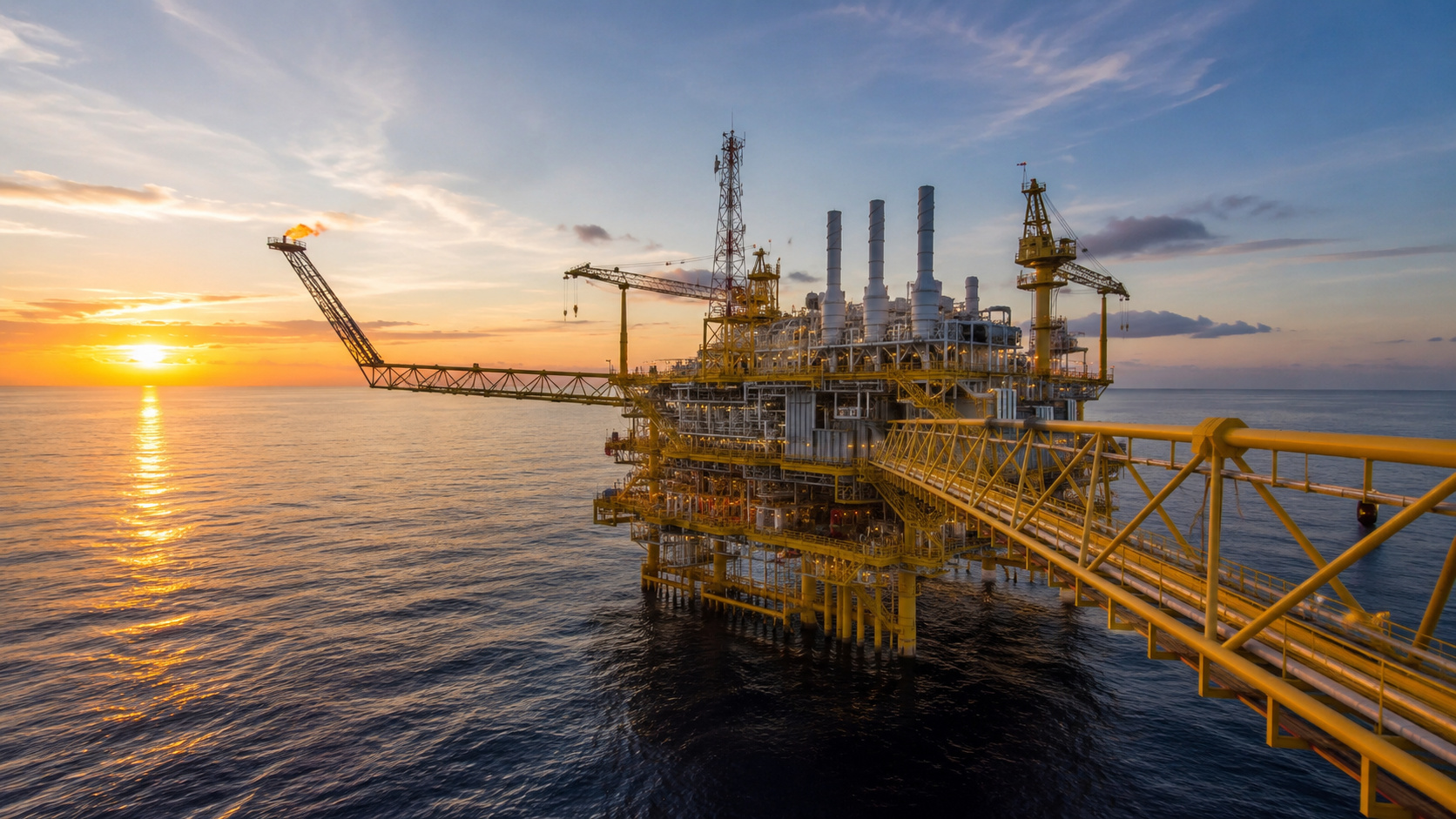

Previously, additional energy costs during times of greater generation difficulty were passed on to tariffs only during the annual adjustment of each company, with interest charges. Under the current model, these extra costs are charged and passed monthly to distributors through the ‘Flags Account’.
Maintenance of the Green Tariff Flag in December
The National Agency of Electric Energy (Aneel) announced today that it will maintain the green tariff flag in effect during the month of December. With this determination, electricity bills will continue without additional costs next month. The decision was based on favorable energy generation conditions in the country.
Due to the high levels of reservoirs in hydroelectric plants, it will not be necessary to resort to more expensive sources, such as thermal plants. Therefore, the initial forecast made early in the year that there would be no activation of a more expensive tariff flag in 2023 has been confirmed, totaling 20 months without the charge of additional costs on energy tariffs.
Source: InfoMoney


