Portuguese
  Spanish


On June 3, 2026, Petrobras signed a contract worth approximately R$ 11 billion for the construction and operation of four offshore support vessels that will serve the company’s platforms at sea, especially in the pre-salt fields of the Santos and Campos basins. The agreement provides for the manufacturing of the units in shipyards with national content and reinforces the state-owned company’s strategy to expand its fleet supporting offshore exploration and production.
The contract is among the largest ever signed by the company for this type of vessel and directly boosts the Brazilian shipbuilding industry, which relies on orders related to the oil and gas sector. The operation involves not only the delivery of the ships but also their operation for a number of years, in a long-term charter model that provides predictability to the supply chain.
What support vessels are
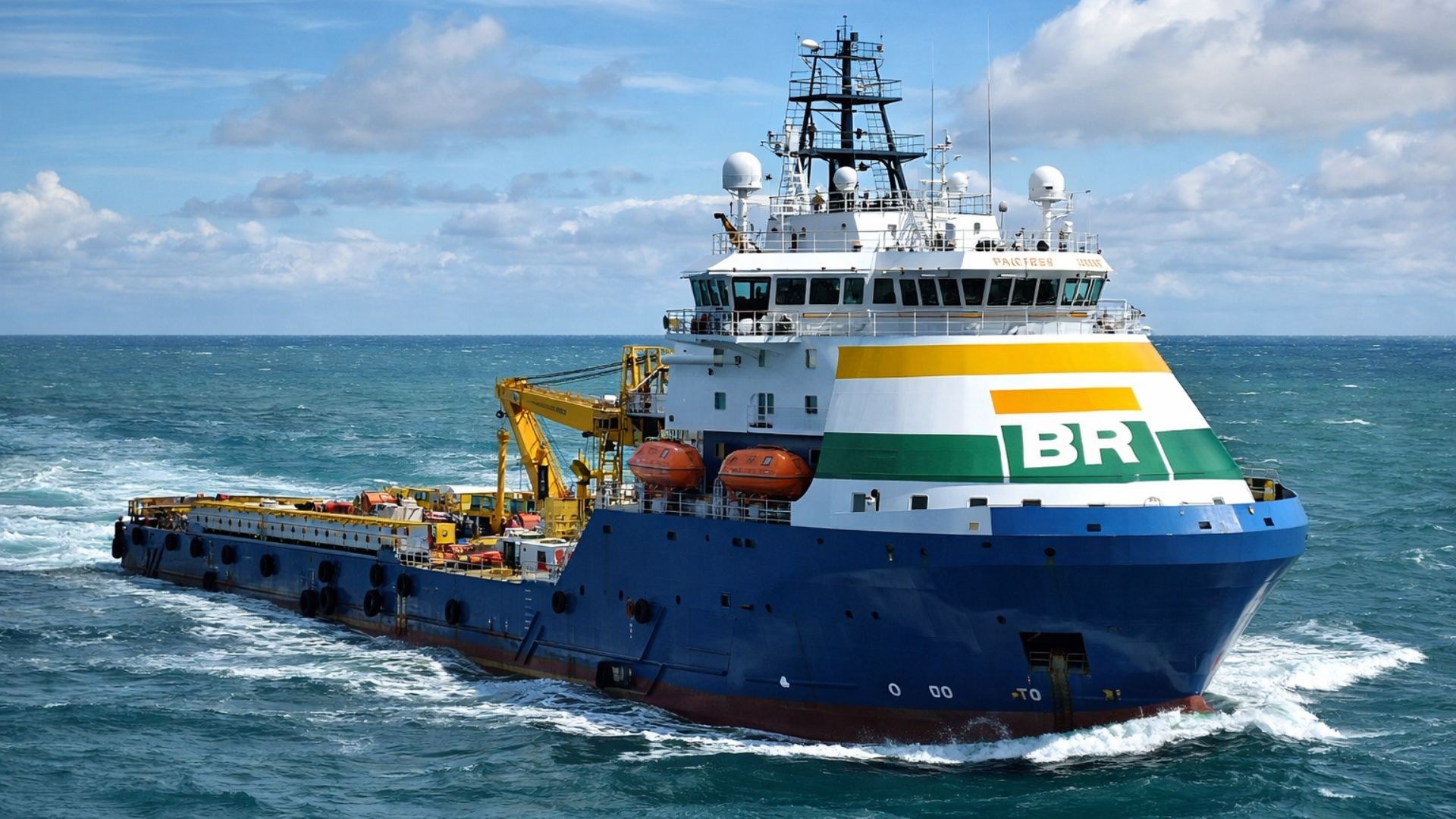
The offshore support vessels, known in the industry by the English acronym PSV and variations like AHTS and RSV, are specialized ships that support oil platforms offshore. They transport cargo, equipment, fuel, water, and supplies from the coast to production units, and also perform tasks such as towing, anchor handling, and supporting underwater operations with robots.
-
Oil production grows in Rio, but reserve replacement raises a warning sign

-
Petrobras is expected to complete the drilling of the Morpho well in the Foz do Amazonas in August 2026, the first well in the Equatorial Margin, an oil frontier that the ANP estimates at more than 30 billion barrels and could redraw the map of Brazil.

-
Oil returns to the center of concerns with tension between the US and Iran

-
IEA reduces forecast for global oil demand in 2026 after impacts of the Middle East crisis



Without this fleet, a platform simply cannot function. Each production unit depends on a constant back-and-forth of vessels that ensure the supply and safety of operations dozens or hundreds of kilometers from the coast. As Petrobras expands production in the pre-salt, the need for modern support ships to sustain the pace of exploration also grows.
Why the contract matters to the shipbuilding industry
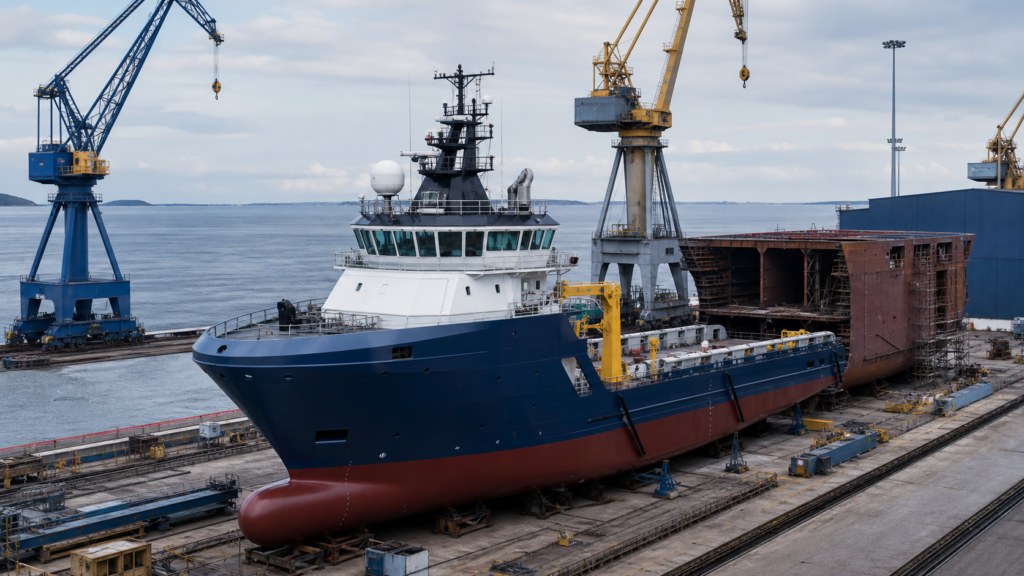
The construction of the four vessels with local content has a direct effect on the national production chain. Brazilian shipyards faced difficult years after the decline in orders in the oil and gas sector in the past decade, and large contracts like this help to revive activity, preserve specialized jobs, and keep the country’s shipbuilding technical capacity alive.
Funding for this type of project usually involves the Merchant Marine Fund, a mechanism that supports the construction of vessels in national shipyards. The requirement for local content in Petrobras contracts is a long-standing policy aimed at ensuring that part of the oil sector’s investments remain in the Brazilian economy instead of being entirely imported.
Besides construction, the long-term charter model ensures work and revenue for the companies operating the vessels for several years, creating a rare horizon of stability in the shipbuilding industry. This arrangement allows shipyards and shipowners to plan investments with more security.
The expansion of production in the pre-salt
The contract comes at a time of record production for Petrobras. The company has been setting successive records for oil and gas extraction in the pre-salt, a layer of reservoirs located under a thick salt layer thousands of meters deep on the seabed. The more platforms that come into operation, the greater the demand for support vessels to sustain the logistics of these units.
In recent months, the state-owned company has brought forward the start-up of new platforms in the Búzios field in the Santos Basin, one of the country’s largest oil assets. The support fleet needs to keep up with this growth, and the order for the four new vessels responds to this infrastructure need for the coming years.
What comes next
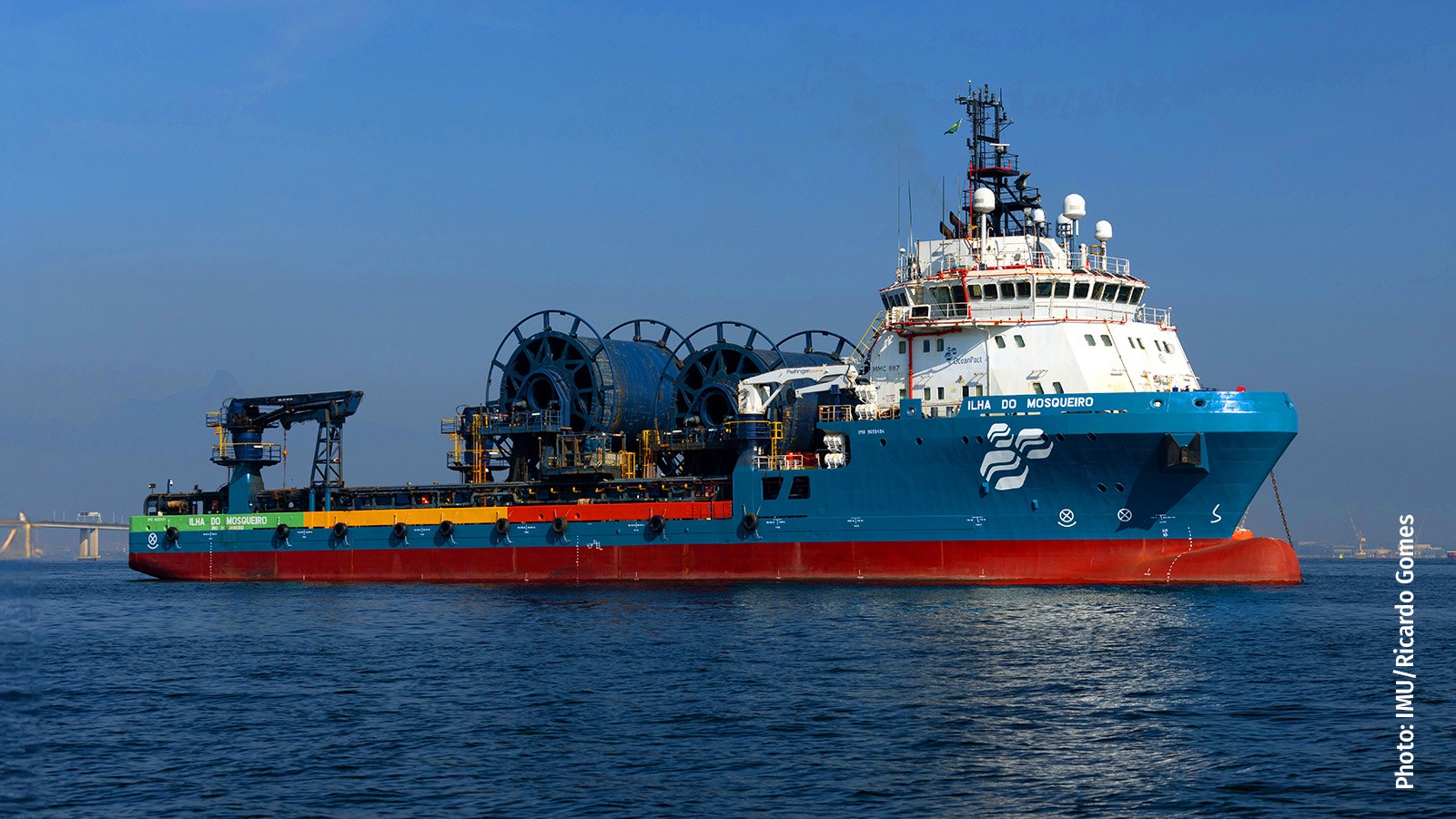
With the contract signed, the next steps involve detailing the vessel designs, defining the construction schedule, and starting work at the responsible shipyards. The delivery of the units usually occurs over a few years, as each ship is completed, tested, and incorporated into operation.
The move confirms Petrobras’ commitment to maintaining and expanding its support fleet to sustain offshore production in the next decade, while also injecting significant resources into the Brazilian shipbuilding industry. According to information released by the naval sector and the company itself, the agreement is among the state-owned company’s main recent investments aimed at the support vessel chain.