Portuguese
  Spanish



Brazil needs to have fuel stocks that are compatible in size with those of countries with similar GDP and demand, said Rubens Cerqueira Freitas, superintendent of distribution and logistics at the National Agency of Petroleum, Natural Gas and Biofuels (ANP).
According to him, who participated in the first day of the Rio Oil & Gas, Europe has stocks to meet a 60-day demand, and Brazil does not have the capacity to respond in situations like the current one.
Freitas also added that until some time ago, Petrobras could rearrange diesel production from different regions to meet potential regional supply shortage risks, but that this path will be more difficult with the state-owned company’s divestment policy.
-
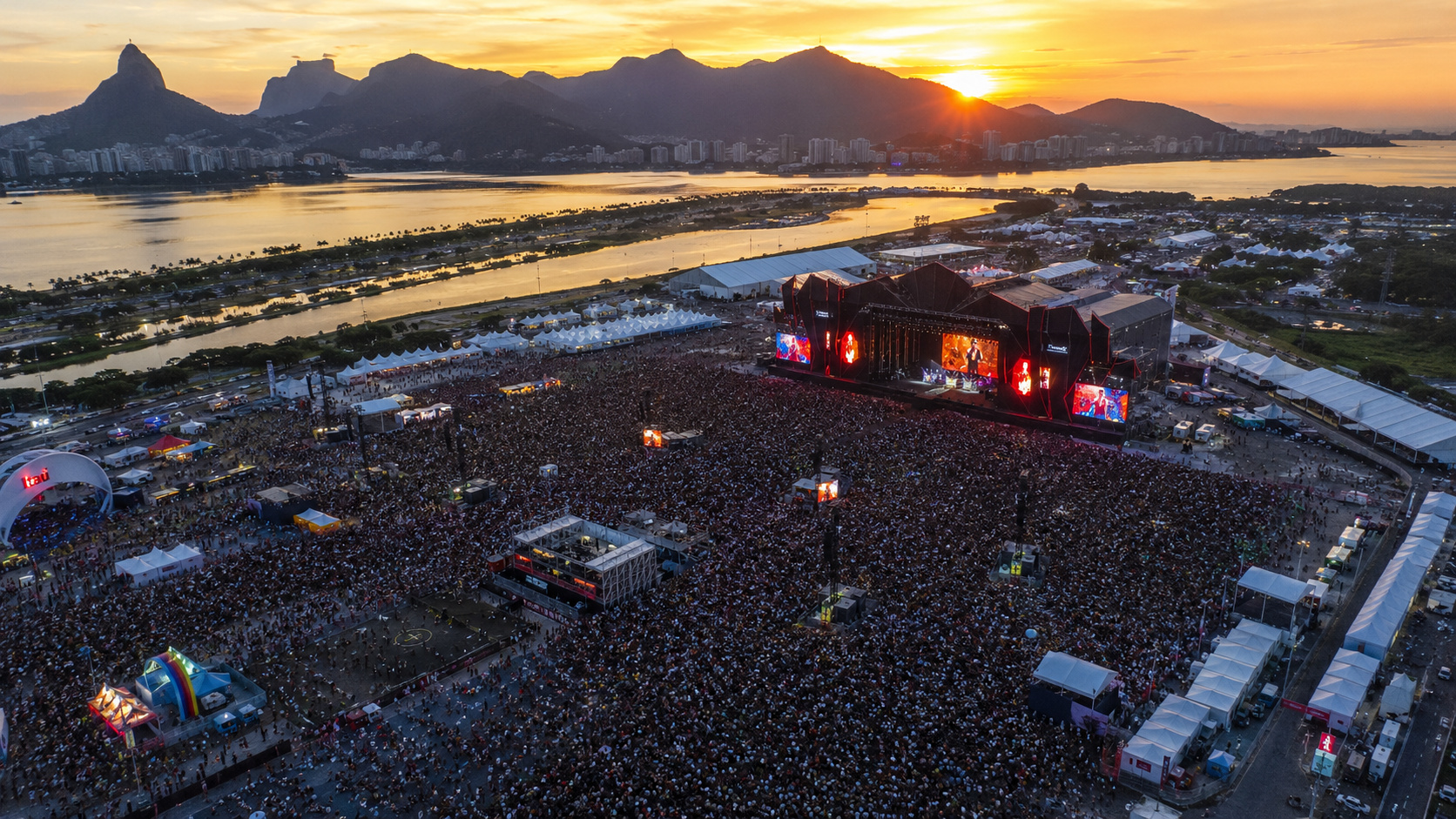
Rock in Rio 2026 promises to inject R$ 3.36 billion into the economy, attract 700,000 people, and transform Rio into a giant stage of opportunities.

-
CEOs of giants like Amazon, Microsoft, and Petrobras gather at the São Paulo Innovation Week to reveal trends that could redefine the future of business and innovation in Brazil.

-
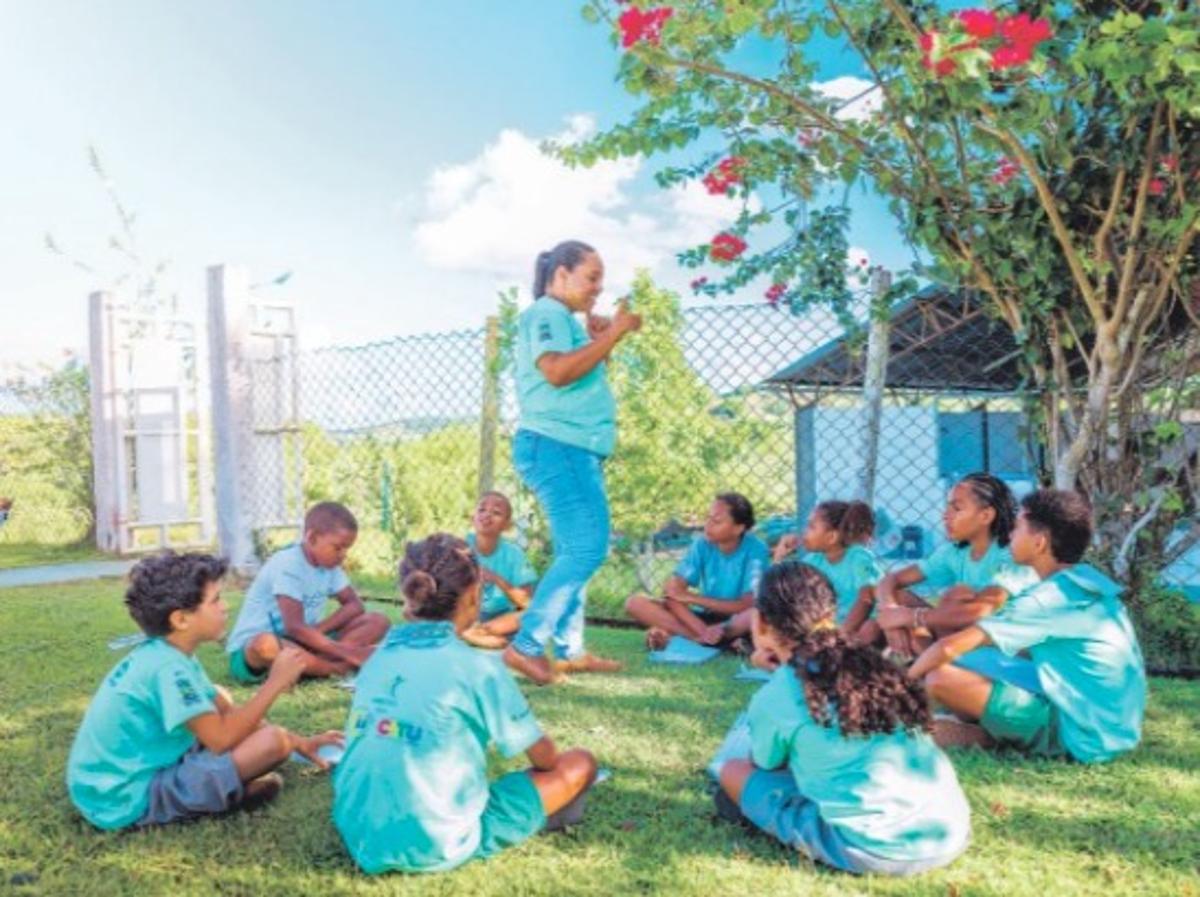
PetroReconcavo takes 100 children from the Ciranda Viva project to the Bahia Book Fair and reinforces its investment in education, culture, and social development in the metropolitan region of Salvador.

-
Thermal expansion and capacity auction boost suppliers of generators and turbines in Brazil with nearly 20 GW contracted.


Given the Current Global Scenario, Investments in Fuel Stock Are Extremely Necessary
The superintendent of the ANP noted, however, that stock formation requires care, but pointed out that investments are necessary given the risks of new supply shortage episodes.
Freitas further emphasized that the country managed to get through the crisis caused by the war in Ukraine, but an eventual blockage of diesel supplies in the external market could be a serious problem.
According to him, the lack of diesel, which is highly demanded by the agribusiness sector, for instance, would bring incalculable losses to the Brazilian economy.