Portuguese
  Spanish


A Protected Area in the Far South of the Paulista Coast Preserves Caiçara Communities, Restricts Vehicles and Electricity, Houses One of the Largest Natural Nurseries of Gray Dolphins in the World, and Establishes Itself as a Global Reference in Environmental Conservation and Sustainable Tourism
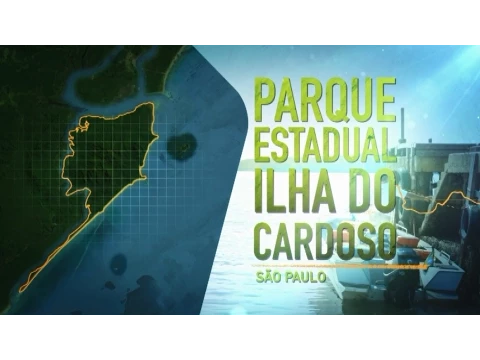
The Cardoso Island State Park, located in the far south of the São Paulo coast, is one of the rare places in Brazil where time seems to follow the tides, not the clock. The area can only be accessed by boats departing from Cananéia, which imposes a different rhythm on visitors upon arrival. Without roads, without cars, and with limited electricity supply, the old fishing village remains one of the last strongholds of virtually untouched wilderness in the state.
The information was disclosed by Correio Braziliense, in a report signed by Maura Pereira, which details how geographic isolation and strict preservation rules have transformed Cardoso Island into a true open-air natural laboratory. According to the publication, the prohibition of motor vehicles and the control of energy use are fundamental measures to ensure the integrity of the Atlantic Forest, mangroves, and traditional communities inhabiting the region.
The state park encompasses about 15 thousand hectares of protected area, with approximately 90% of the territory covered by native forest, including mangroves, restingas, and dense rainforest areas. Furthermore, it features virtually deserted beaches, such as Pereirinha, and caiçara nuclei that maintain traditional ways of life based on artisanal fishing and community-based tourism.
-
Tourist Discovers Forgotten Joaquín Sorolla Painting Worth Up to 60,000 Euros While Strolling in Seville

-
Brazil’s Fernando de Noronha Boasts World’s Most Beautiful Beach, Accessible Only by Descending 208 Cliffside Steps and With No Food Vendors Allowed

-
Wave Rock: Australia’s Giant Granite Wave Stands 15 Meters Tall, Spans 110 Meters, and Showcases 2.7 Billion Years of Erosion in the Australian Desert
-
How to Unclog Showerhead Holes Blocked by Limescale and Hard Water Without Replacing or Hiring a Technician


Why Dolphin Bay Is a Natural Laboratory
One of the main highlights of Cardoso Island is the estuary region known as Dolphin Bay. The site is home to one of the largest populations of gray dolphins in the world, which can be observed just a few meters from the shore without the need for binoculars or invasive tourist boats.
The absence of industrial pollution, along with strict control of water traffic, has transformed the estuary into a true natural nursery for the species. Researchers and biologists use the area as a base for ongoing studies on behavior, reproduction, and marine conservation.
International recognition came with the title of Natural World Heritage Site, granted by UNESCO, which reinforces the island’s biological importance. The data collected in the area serves as a global reference for policies protecting mangroves, restingas, and sensitive coastal ecosystems.
How the Caiçara Community Organizes Sustainable Tourism

Unlike commercial tourist destinations, accommodation on Cardoso Island is organized directly by traditional residents, especially in the Marujá nucleus. The adopted model is that of community-based tourism, where homestays and restaurants operate on a rotation system.
This format ensures that the income generated by tourism is equitably distributed among native residents, avoiding economic concentration and real estate speculation. Moreover, it contributes to the preservation of local culture, passed down orally by older fishermen in conversation circles that replace digital entertainment.
Living or visiting the island requires adaptation. Electricity is primarily generated by solar panels, internet signal is limited, and daily life follows the rhythm of sunrise and sunset. For many visitors, this reality represents a true “digital detox,” valuing human contact and simplicity.
Isolation, Demography, and Quality of Life
Administratively, Cardoso Island belongs to the municipality of Cananéia, which has about 12 thousand inhabitants. Within the park, the population density is extremely low, restricted to traditional communities that have land use rights, ensuring the preservation of about 90% of the area covered by forest.
Data from the Brazilian Institute of Geography and Statistics (IBGE) indicates that Cananéia has a Human Development Index (HDI) of 0.750. This index reflects a reality where quality of life is associated with food security, environmental balance, and the maintenance of traditional cultural practices.
In this context, the local wealth is not measured by the accumulation of material goods, but by the sustainable relationship with the territory, community autonomy, and the preservation of ancestral knowledge.
Trails, Deserted Beaches, and Immersion Experiences
Tourism on Cardoso Island is primarily geared towards hikers, photographers, researchers, and visitors interested in preserved nature. There are no resorts, luxury structures, or conventional beach services. The main attraction is total immersion in natural environments that have been little altered by human action.
Among the most emblematic locations are:
- Marujá Beach: an extensive stretch of firm sand, ideal for long walks and the central point of community life.
- Pontal da Praia: the place where the channel meets the sea, known for dolphin watching at dawn.
- Cachoeira Grande: accessible by trail or boat, featuring freshwater in the middle of the forest.
- Pereirinha Nucleus: an area with a visitor center and natural pools formed by rocks.
- Morales Hills Trail: a route with a certified guide and panoramic views of the estuary.
- Laje Pools: rock formations that create natural pools of crystal-clear water, accessible by boat.
Humid Climate and Visitor Preparation
The region’s climate is tropical humid, characterized by high rainfall throughout the year. The constant humidity keeps the Atlantic Forest lush but requires adequate preparation from visitors.
According to approximate data from Climatempo:
- December to March: average of 28 °C, hot and rainy period, suitable for beach and waterfall bathing.
- April to May: average of 24 °C, mild climate, ideal for dolphin watching.
- June to August: average of 18 °C, humid cold, recommended for trails and cultural experiences.
- September to November: average of 25 °C, unstable climate, excellent for bird photography.
An Ecological Refuge Away from Mass Tourism
Cardoso Island has established itself as an alternative to consumer tourism, offering silence, starry skies without light pollution, and direct learning with a resilient traditional culture.
The destination stands out for:
- Community tourism that directly benefits local residents
- Marine life sanctuary with frequent sightings of gray dolphins
- Kilometer-long virtually deserted beaches
- Real preservation of the Atlantic Forest in São Paulo territory
Visiting the island means accepting that time is governed by the tides — and that nature sets the rules.
Source: Correio Braziliense