Portuguese
  Spanish


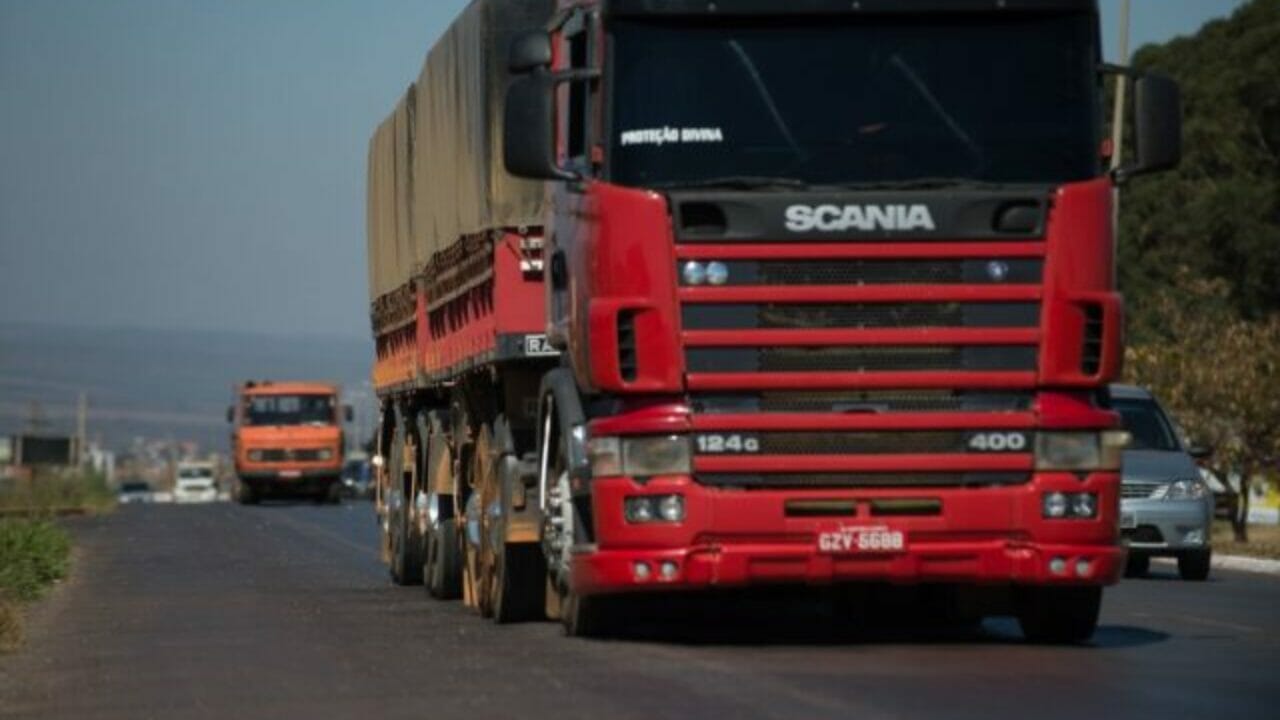

The National Land Transportation Agency (ANTT) Recently Announced the Update of the Minimum Freight Rate Table, with Reductions Ranging from 2.34% to 3.21% for All Types of Operations.
The regulatory body’s change considered the final price of Diesel S10 at the pumps. Although ANTT stated that the reductions in prices would benefit truck drivers and transport companies, this is not the reality.
The minimum freight rate is a reference table that determines the minimum amount to be paid to truck drivers for transporting cargo throughout the Brazilian territory. The objective is to guarantee the workers the minimum necessary to cover the operating costs of vehicles, such as fuel, maintenance, among others.
What is the Current Situation of the Minimum Freight Rate?
Since the truck drivers’ strike in 2018, the federal government sanctioned the law of the minimum freight rate aiming to bring more balance in the relationship between truck drivers and companies that hire their services. However, the reality shows that the changes made by ANTT have not been as beneficial as they appear.
-
Brazil to Introduce B16 Diesel with Increased Soybean Oil Content for Trucks by 2026
-
Brazil’s July Bolsa Família Payments May Include Extra $150 and $50 for Families with Children, Pregnant Women, and Updated CadÚnico Registration

-
Brazilian Woman Buys €1 House in Sicily, Clears 50 Truckloads of Debris, and Transforms Ancient Ruin into Inspiring Life Project by 2026

-
Latin America’s Largest Port Invests $400 Million in Rail System with Trains Up to 2.4 Kilometers Long


Although ANTT has reduced the values of the minimum freight rate table due to the decrease in the price of Diesel S10, this adjustment does not reflect the market reality. With the devaluation of the real, the prices of inputs, especially diesel and tires, have increased at an accelerated pace, which raises the cost of operations.
Another factor influencing this situation is the high demand for trucks, leading to overloading of vehicles and, consequently, the need for frequent maintenance. In light of this scenario, truck drivers have been struggling to maintain financial balance and quality of life, with many ending up buried in debt.
According to representative entities of truck drivers, the ANTT should have made a positive adjustment to the minimum freight rate table values, considering the increase in operating costs. Furthermore, the overvaluation of freight is not beneficial for either party, as it raises product prices for the end consumer—a situation that negatively impacts the country’s economy.