Portuguese
  Spanish


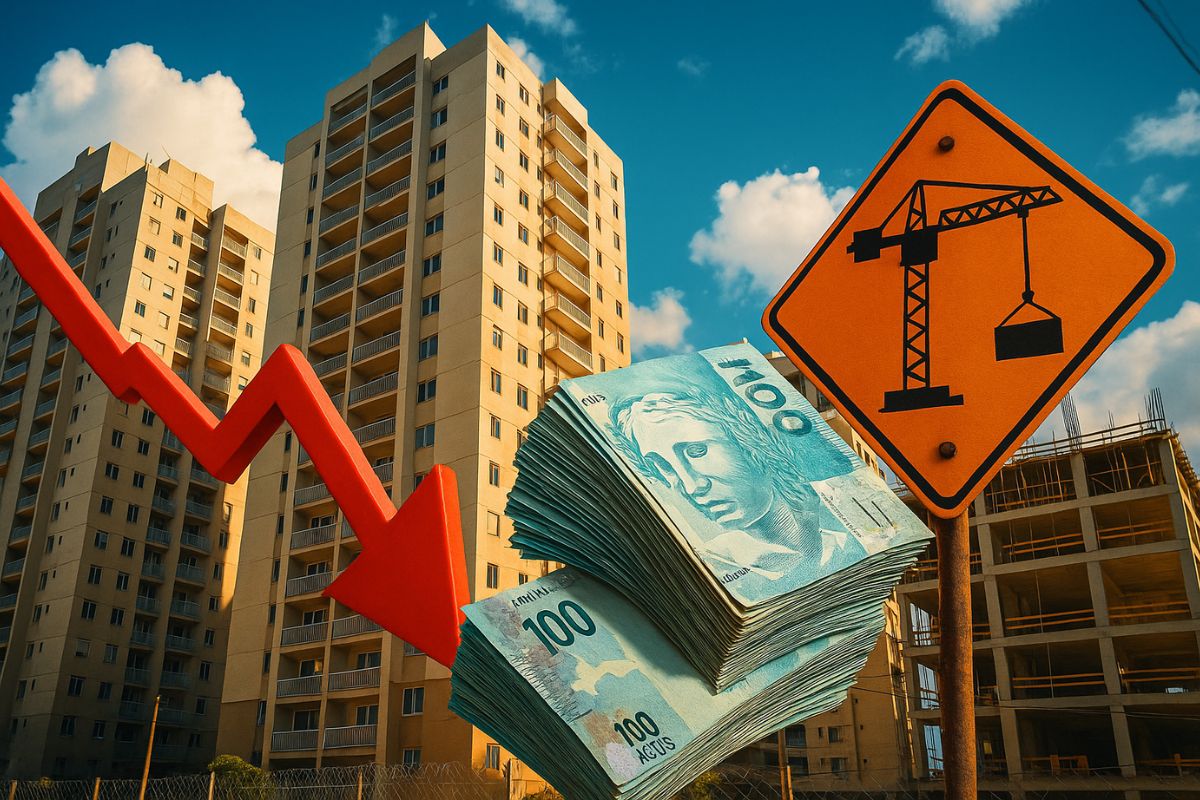


Apartments Seem Safe, But Condo Fees Above Inflation, Ongoing Repairs, And Vacancy Can Consume Rent And Erode Returns Over The Years.
Apartments are popular as a gateway to real estate investment, but a cold analysis of costs reveals a less charming reality. Condo fees rise persistently, often at a rate higher than inflation, while extra fees and repair funds drain cash. Meanwhile, empty months between rentals reduce effective income and pressure margins.
According to specialist Raul Sena, in the short term, it’s possible to capture gains by buying off plan and reselling upon delivery, for example. The problem arises in maintaining the asset over decades: buildings age, elevators, plumbing, and facades require cyclical renovations, which turn gross rent into slim net revenue. On top of that, property taxes, insurance, and potential improvements increase the bill.
Costs Rising Faster Than Income
Condo fees start “light” in new buildings and scale with the age of the building. In the life cycle of a condo, the expense curve tends to accelerate with preventive, corrective maintenance, and outsourced services, as well as items like security and cleaning, which do not get cheaper over time.
-
Couple Sold Their Home to Save Business, Now Run Platform Handling $180 Million Monthly and Managing Over 51 Million Listings

-
Brazil’s 2026 Tax Refund: Record 9.58 Million Filers in Largest Payout Ever, But a Key Detail on Priority Recipients Draws Nationwide Attention

-
Itaú Alters Hybrid Work Model, Increasing Office Days from 2028, Prompting Employees to Adjust to New Routine
-
Facing Labor Shortage, Japan Plans to Invest $34 Million to Attract Foreign Workers in Construction, Healthcare, Industry, and Commerce





When condo fees grow above inflation, rent needs to keep up, and the market does not always accept full pass-throughs.
In addition to the monthly amount, extraordinary fees arise from routine inspections and mandatory repairs. In a single year, a 20% to 30% increase is not uncommon when renovations occur. If the condo has no reserve, the cost goes straight to the owner, compressing yield. Result: the promise of “passive” income turns into active cash management.
Buildings with decades of use accumulate a list of technical liabilities: waterproofing, facades, electrical and plumbing systems, fire prevention, and elevator modernization.
Each report brings new construction fronts, and each construction brings new cost allocations. If you rely on rent to pay for the condo itself, any tenant delay becomes financial stress.
There is also the risk of obsolescence of regions and property types. Neighborhoods mature and change in purpose; when new centralities arise, the demand for older units wanes. Extended vacancies begin to share space with discounts to close contracts, eroding the profitability projected in the past.
Vacancy, Property Taxes, And The Effect Of Urban Verticalization
Even in liquid cities, vacancies of two or three months consume a good part of the annual results. The “12-month” rent rarely lasts for 12 months, and with each tenant change come painting, minor repairs, and brokerage fees. If we add property taxes and condo fees during the vacant period, the ROI shrinks rapidly.
Urban verticalization has increased the base of property taxes and reinforced the recurring charges on apartments. In practice, the investor pays the bill for a collective asset: while the appreciation of the land dilutes among units, the tax and condo fees do not dilute in the same proportion to your cash flow. There is a structural mismatch between what you capture and what you pay out.
Houses, Lots, And Income Alternatives
Comparatively, houses and lots tend to require fewer collective charges and fully capture land appreciation. Structural renovations are occasional and under the owner’s control; tearing down and rebuilding is viable when the lot is the main value. In an apartment, the freedom of intervention is limited and depends on building rules.
For those seeking predictable income and protection against inflation, financial instruments backed by government bonds or real estate investment trusts (REITs) can deliver monthly income with diversification and professional management. Liquidity is greater, pricing is transparent, and costs are explicit — the opposite of the unpredictability of condominium renovations.
When Apartments Still Make Sense


There is a niche where apartments can work: short to medium-term speculation. Buying off plan, capturing the appreciation from launch to delivery, and flipping the asset before aging concentrates most of the potential gains.
Living in the property and selling it before the costly maintenance phase is another defensive strategy.
For those who insist on residential rentals, discipline is essential: buy below market value, focus on liquid units (size and type with high demand), budget for 2 to 3 months of vacancy per year, audit the historical works and cash flow of the condo, and simulate the net ROI already accounting for property taxes, condo fees, insurance, and management fees. Without this math, the “promised” income becomes an illusion.
Over decades, Apartments face three corrosive forces: condo fees above inflation, endless repairs, and intermittent vacancies.
If the investor does not price these factors, the return falls short of simpler and more liquid alternatives. Profitability is not what comes in; it is what remains after all the bills.
This does not invalidate the asset but invalidates the naive thesis that “property always beats time.” Without the right purchase, active management, and a well-planned exit, what seems a safe harbor can become an anchor. The choice is not emotional; it is an honest spreadsheet.
The question is not whether apartments make money, but at what cost and for how long. If your goal is stable income and real protection, compare net ROI with alternatives and treat costs as certain, not as exceptions. Plan the exit before entering the real estate market, the condo clock never stops.
In your experience, what has been the biggest villain of your ROI in Apartments: condo fees, vacancies, or extraordinary repairs? Do you already budget for empty months and extra fees in your income simulation? Share real numbers: property price, net rent, and annual costs. Your experience can help other investors recalibrate expectations.