Portuguese
  Spanish


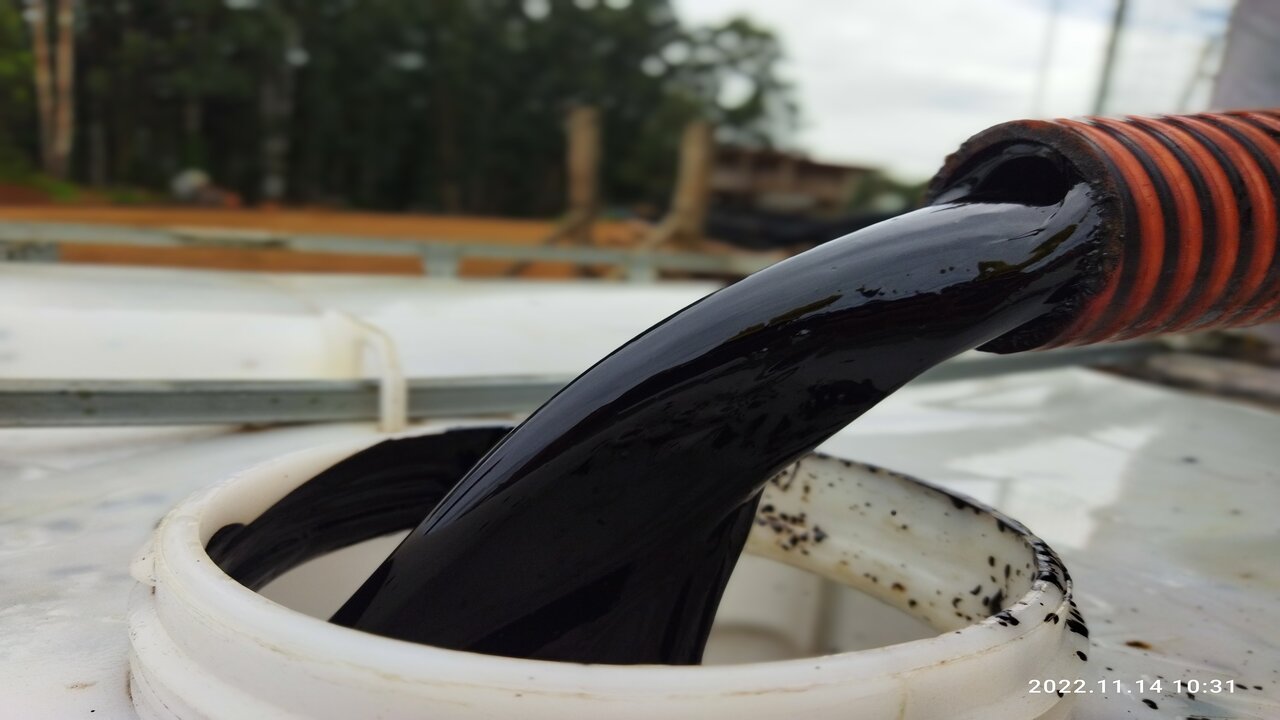

Bio-Oil Is Produced from By-Products of Biomass Charcoal Production and Promises to Be the Future of the Brazilian Market. Nexa Mining Company Is the First to Use the New Renewable Fuel from Aperam BioEnergia in Its Operations.
Sustainability and the search for new technologies to minimize environmental impacts continue to be the main focus of the national energy industry. For this Friday, (12/16), Aperam BioEnergia has launched a new renewable fuel on the market. This is bio-oil, a 100% renewable plant-based oil resulting from the processing of by-products from charcoal production. The project was initiated in 2017, with Nexa, a mining company that is already using the new fuel.
The Bio-Oil Project Was Initiated by Aperam BioEnergia in 2017, in Partnership with Nexa, and the Mining Company Now Benefits from the New Renewable Fuel
Aperam BioEnergia continues to innovate and launch new sustainable solutions for the Brazilian energy market, this time with a new renewable fuel produced from by-products generated in biomass charcoal production at its facilities in the Jequitinhonha Valley (MG).
The so-called bio-oil is the company’s new investment for the future of decarbonization in the national transportation sector, as it significantly reduces the emission of pollutant gases into the atmosphere.
-
Fired during apartheid and with a little borrowed money, an electrician started with a borrowed truck and transformed electrical services into a group connected to energy, real estate, and infrastructure in South Africa.

-
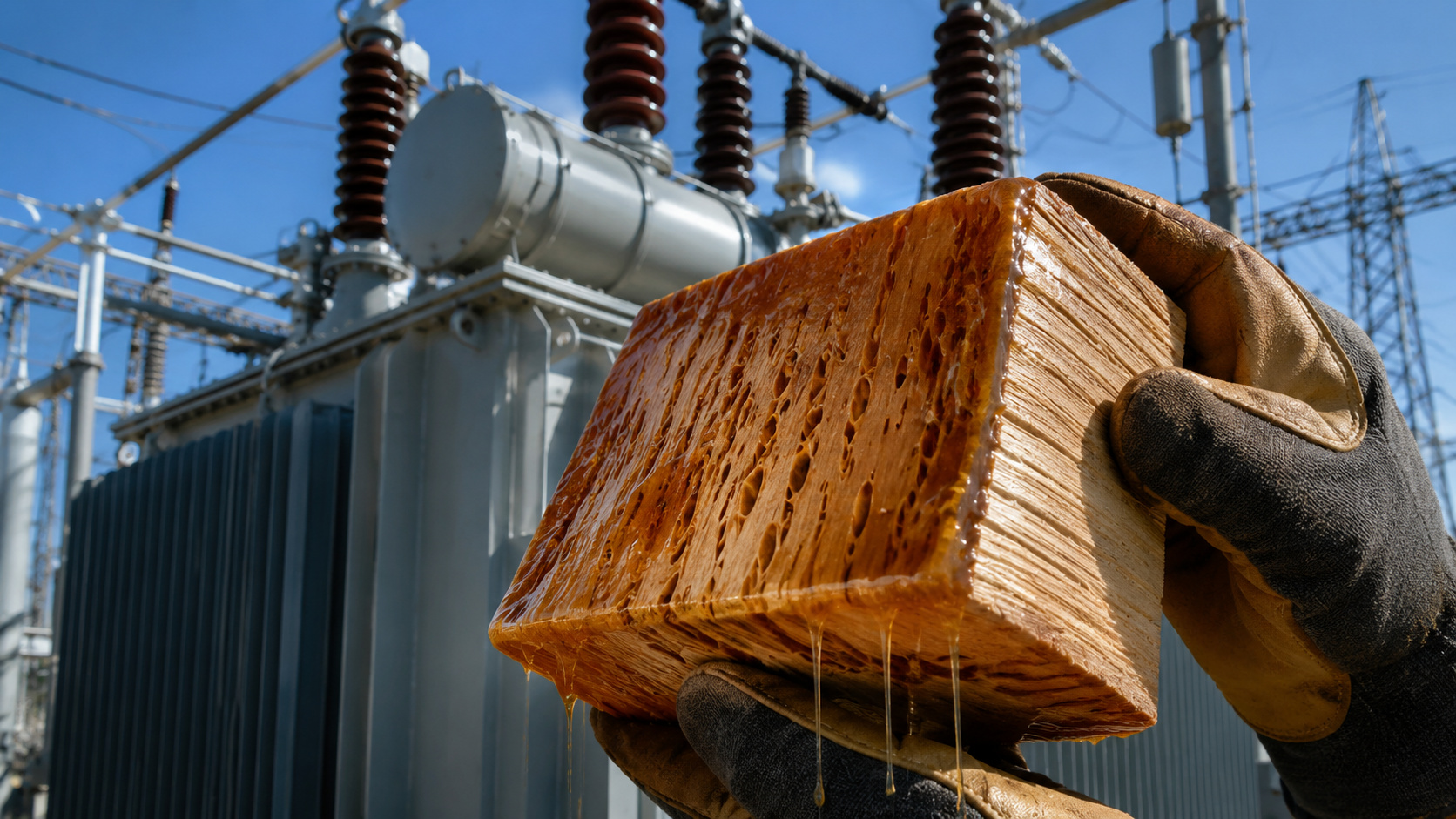
Wood has ceased to be just a construction material in Yale research and has become insulation for electrical transformers that face intense heat, aging, and increasing pressure from the renewable energy-powered grid.
-
More than 1,000 residents of a remote island in Kiribati now have clean water and electricity with solar systems operated by the community itself.
-
Corn ethanol attracts R$ 23 billion in 21 new plants and prepares for a nearly 50% jump in Brazilian production by 2027, even with high interest rates.




To develop it, the company partnered with the mining firm Nexa and the current startup WXO Engenharia de Processos Customizados, in a project initiated in 2017.
In the following year, in 2018, Nexa began using the renewable fuel in initial phases, applying it in its mineral production in the Três Marias (MG) region.
Now, after positive results from initial tests, the mining company is preparing to implement bio-oil in its other facilities.
“Charcoal production generates a waste product, which is tar. Through a series of small innovations we’ve implemented in our processes over the years, Aperam BioEnergia has managed to enable its transformation into a biogenic product with high potential, with zero CO2 emissions in the production process,” says Aperam South America’s president, Frederico Ayres Lima.
“I often say that major innovations are the result of various other changes that occur and ultimately enable a breakthrough. Like Uber, made possible by the advent of cell phones, GPS, and the internet,” concluded the executive.
Bio-Oil Offers Significant Advantages Over Conventional Fuels by Minimizing Air Pollutant Emissions
Aperam BioEnergia highlighted the benefits of its new renewable fuel, stating that the main advantage is the minimization of pollutant gas emissions, such as carbon.
In Aperam BioEnergia’s charcoal production, sourced from planted forests, carbon emissions are completely neutralized, ensuring greater sustainability in the production chain.
Executive Wagner Lima, Corporate Energy Manager at Nexa, commented that the partnership with the energy company was essential to combine both parties’ expertise in a project that can make significant contributions in the mining sector.
Additionally, the strong performance of the biofuel demonstrates technical and economic feasibility for the complete replacement of petroleum-derived fuels currently used in the mineral zinc production process at the Nexa mining facility in Três Marias, Minas Gerais.
Bio-oil is produced during the wood carbonization process for charcoal formation. During production, in addition to charcoal, liquids and condensable vapors are generated.
In this way, Aperam BioEnergia leverages its existing technology to maximize the utilization of these processes.