Portuguese
  Spanish


Sustainable dry cleaning advances with up to 73% reduction in water consumption, elimination of toxic solvents, and technologies that increase clothing durability, while laundries adopt more efficient, automated systems focused on environmental preservation, domestic efficiency, and lower chemical impact
Sustainable dry cleaning is changing the laundry sector by replacing toxic solvents, reducing water consumption, and extending clothing durability. The advancement of this model accompanies debates on public health, hazardous waste, water efficiency, and changes in consumption habits.
For decades, traditional dry cleaning was associated with impeccable clothes, well-pressed suits, and the strong chemical smell present in stores. Much of this odor came from perchloroethylene, known as PERC, a solvent that began to face environmental and health concerns.
The transformation of the sector no longer involves just aesthetics or convenience. The focus now includes reducing toxic waste, lower exposure to volatile compounds, decreasing water waste, and preserving garments for longer periods.
-
World’s First Lithium-Sulfur Battery Factory Launches, Promising to Double Range Without Relying on China

-
AI Data Centers Now Feature Built-In Nuclear Power Plants and Have Ordered Non-Existent Reactors
-
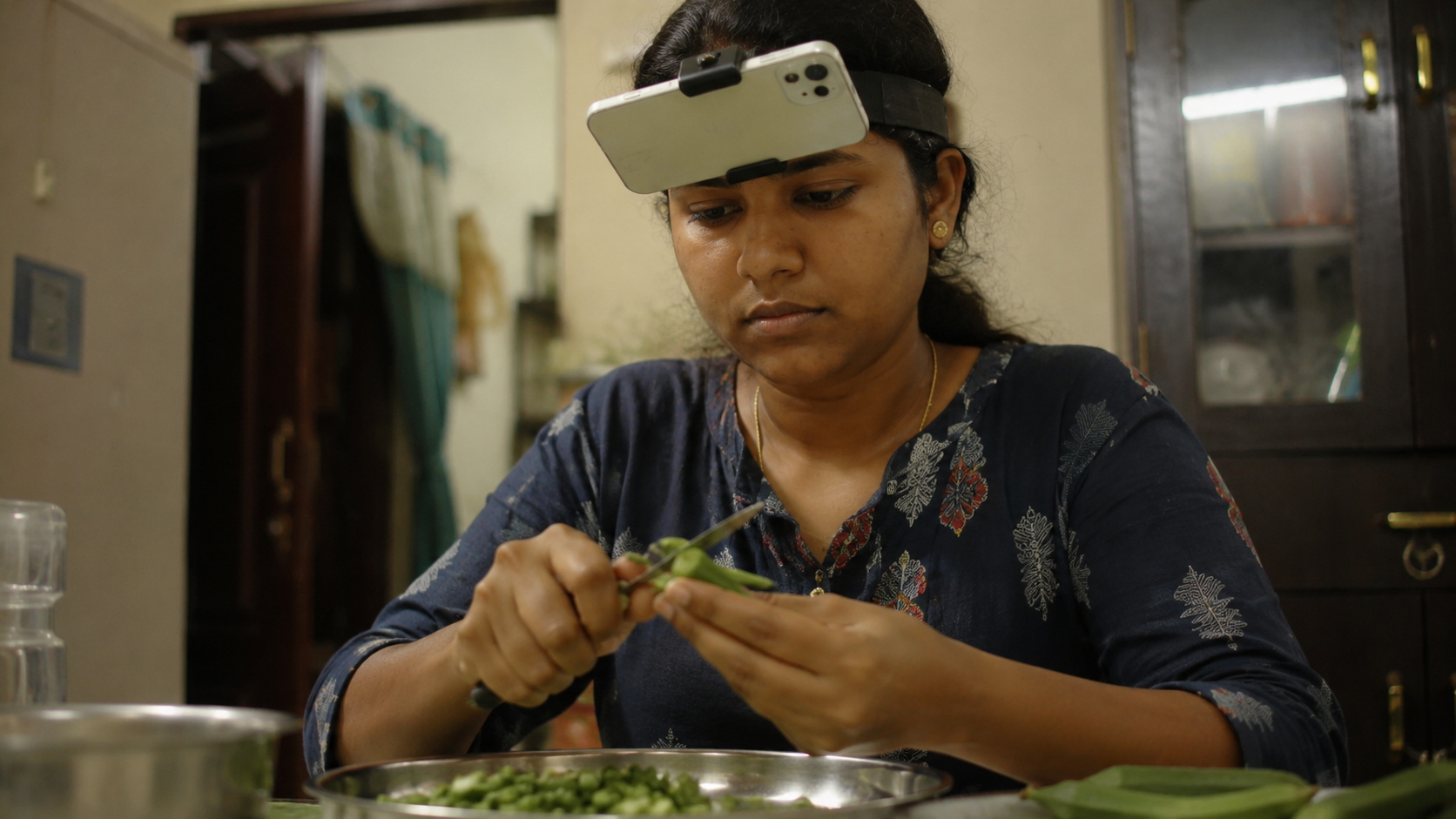
In India, thousands earn about $2.50 an hour cooking and cleaning with a phone strapped to their heads, as every move is recorded to train humanoid robots for jobs they might one day replace.

-
Nuclear Fusion Study Proposes Transforming Mercury into Gold Using Tokamak Neutrons, but Real-World Application Remains Uncertain



Regulation pressures the dry cleaning sector
The European Union has been expanding rules related to substances used in industrial cleaning. PERC produces polluting emissions, requires specific storage protocols, and involves the management of waste considered hazardous by current environmental regulations.
In the United States, the gradual prohibition of PERC has accelerated changes already observed in the market. Traditional dry cleaning began to lose ground to methods considered less aggressive for workers, consumers, and centralized industrial operations.
The elimination of aggressive solvents also altered the internal conditions of laundries. The reduction of chemical vapors decreased risks for employees continuously exposed to the compounds used in traditional industrial cleaning processes.
Furthermore, wet cleaning models reduced steps related to the storage of hazardous materials and simplified regulatory aspects. Fewer hazardous wastes also meant lower management costs and less bureaucracy for small family businesses in the sector.
Wet cleaning gains ground in the industry
For many years, wet cleaning was considered limited by the laundry industry. The method was associated only with simple garments, unable to receive treatments traditionally applied by conventional dry cleaning.
This scenario changed with the evolution of industrial machines, biodegradable detergents, and digital control systems. Temperature, residual humidity, mechanical friction, and drying began to be precisely monitored throughout the process.
Wool, silk, cashmere, and technical fibers began to receive calibrated wet treatments. The new approach no longer prioritized only cleaning speed but began to focus efforts on the prolonged preservation of clothes.
This change has a direct impact on the textile industry, considered one of the activities with the largest ecological footprint. Increasing the lifespan of shirts, coats, and pants reduces the need to manufacture new items and decreases production-related impacts.
At the same time, consumers began to change clothing-related habits. Many people started buying fewer clothes, adjusting hems, restoring old jackets, cleaning high-quality sneakers, and recovering delicate fabrics.
This behavior favored the growth of boutique laundries, a model based on individualized service. In these operations, each garment receives visual inspection, manual intervention, and specific treatments conducted by experienced professionals.
The process also revived practices related to clothing maintenance instead of constant replacement. Manual stain removal, repairs, and conservation began to gain space within the new sustainable laundry model.
Water becomes a central theme in dry cleaning
The environmental discussion involving laundries often focuses on the chemical products used by the services. However, water consumption has begun to gain increasing importance in the face of intense droughts and reduced water reserves in different Spanish regions.
Partially filled domestic machines, repeated cycles, and excessive detergent began to reveal significant inefficiencies. Centralized industrial systems operate with a different logic, consolidating loads and using equipment developed for maximum operational efficiency.
In this scenario, Telelavo presented a model capable of reducing monthly residential water consumption from approximately 720 liters to about 195 liters. The difference represents a saving of nearly 73% compared to traditional domestic methods.
Andalusia, Catalonia, and Murcia face frequent episodes of water stress. The Ministry for Ecological Transition has begun to prioritize measures aimed at urban and domestic efficiency related to water use.
As a result, outsourcing laundry services began to be viewed from another perspective. The model ceased to represent merely convenience and became associated with environmental efficiency and the rational use of available resources.
Technology and time redefine the sector
Digitalization has also changed the organization of laundries. Tracking systems allow monitoring items through all stages of the process, recording incidents, times, and standardization of procedures carried out by teams.
Telelavo developed an internal system to track clothes throughout the service. This control aims to reduce losses, item mix-ups, delays, and inconsistencies that historically affected traditional dry cleaning operations.
Automation allowed for expanding operations without eliminating individualized garment treatment. The use of technology began to function as a support tool for textile care, avoiding an exclusive focus on production volume.
The subscription model also accompanies cultural changes related to domestic time. More than 130 annual hours are dedicated to washing and ironing clothes, distributed in small tasks repeated daily within homes.
Sustainability ceased to involve only recycling and began to prioritize consumption reduction from the source. Less water, fewer chemicals, fewer emissions, and less premature disposal began to guide the new sustainable dry cleaning.
The advancement of this model indicates that dry cleaning will continue to replace traditional processes, increasing environmental efficiency, textile preservation, and operational reduction in laundries.