Portuguese
  Spanish


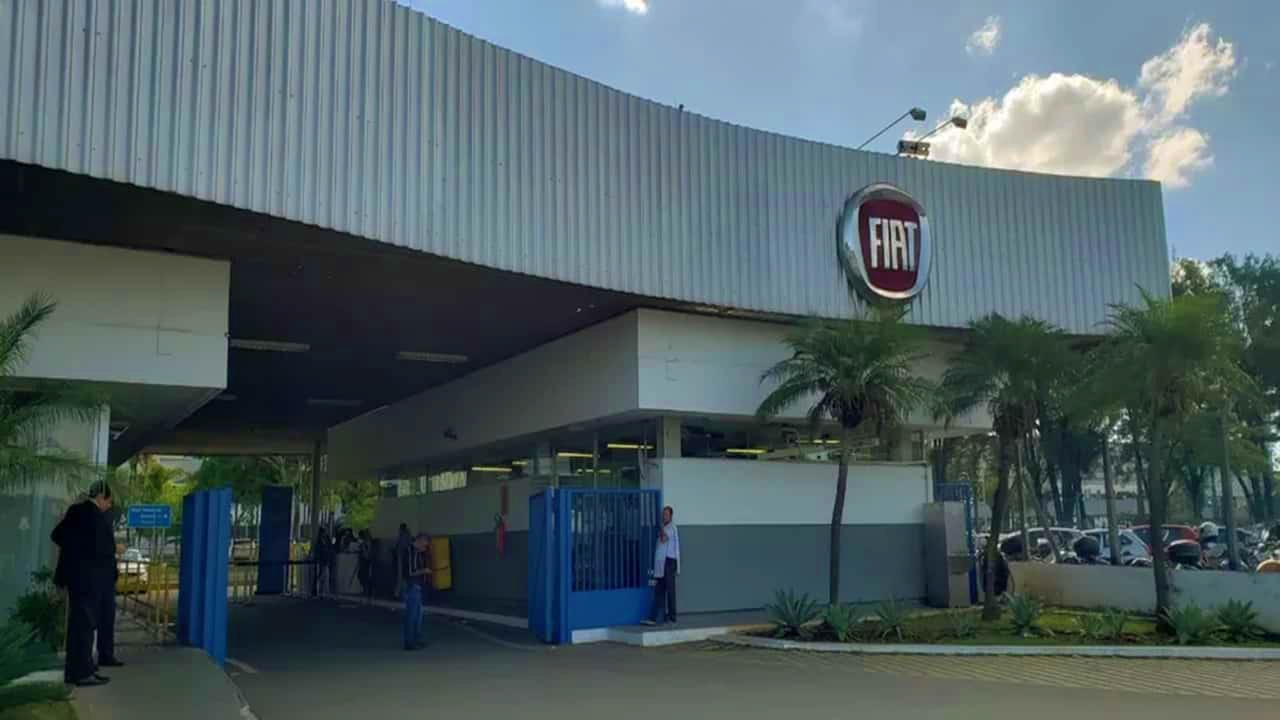


Fiat’s Engine Production Shutdown Was Communicated to the Governor of the State of Paraná So That the Local Government Can Try to Find a Possible Buyer for the Factory.
After Ford shut down production and left Brazil, the Stellantis Group, owner of the Jeep, Citroën, Peugeot, and Ram brands, is closing Fiat’s engine factory after 25 years of operation in Campo Largo – PR. The unit has 210 employees, and the automaker proposed relocating them to other company units across the country or assisting in the transition of those who wish to remain in the region.
Currently, Fiat was only producing the 1.8 engines at this unit to be used in the export version of the Fiat Toro for Latin American countries, where it is called Ram 1000. These engines previously equipped the national Toro, as well as the Jeep Renegade and the Punto, Palio, Argo, Strada, and Siena lines. However, with the arrival of new emission rules for engines produced in Brazil, the e.TorQ was discontinued and replaced by turbocharged engines.
As a result, all of the company’s engine production will be concentrated in Betim (MG), where there is another engine plant for the Jeep and Fiat brands, with better logistical conditions.
-
End of an era in Brazil: beloved sedan by Brazilians is discontinued despite having a 2.0 engine with 151 hp, CVT transmission, 466-liter trunk, and up to 650 km of range.

-
New Law Proposal in Brazil Could Heavily Penalize Drivers: Dangerous Overtaking May Become a Serious Offense with Fines Increased Tenfold and a 12-Month License Suspension; Update on 2026 Progress

-
Electric Revolution: Watts W125 Motorcycle Offers 160 km Range, 90 km/h Speed, and Affordable Price Starting at $3,000
-
General Motors Replaces Over a Thousand Workers with 50 Cobots at Electric Vehicle Plant, UAW Union Criticizes Move Amid Industry’s Automation Push


Fiat e.TorQ Discontinued and Will Be Replaced by Turbocharged Engines


Check the Full Notice:
“Stellantis continues with the strategic plan to neutralize its emissions globally by 2038.
As part of the measures aimed at accelerating a 50% reduction in carbon emissions by 2030, it has decided to concentrate production on more modern engines, which not only comply with new and future regulations, but also provide consumers with the highest levels of technology, economy, performance, and efficiency, aligning with the global trend of downsizing.
The focus on manufacturing more modern engines was anticipated by the Company, which has already proposed the transfer of workers to other units in Brazil, while also assisting in the transition of those who decide to remain with other local companies. Starting today, individual support will be provided by the company.
The Company is also working with investors to develop future innovative projects in the area.
Stellantis N.V. (NYSE / MTA / Euronext Paris: STLA) is one of the world’s leading automotive manufacturers and mobility providers. Our historic and iconic brands embody the passion of their visionary founders and customers in their innovative products and services, including Abarth, Alfa Romeo, Chrysler, Citroën, Dodge, DS Automobiles, Fiat, Jeep®, Lancia, Maserati, Opel, Peugeot, Ram, Vauxhall, Free2move, and Leasys. Driven by our diversity, we lead the way the world moves – we aspire to be the best sustainable mobility company, not the largest, while creating value for all shareholders and the communities in which we operate. For more information, visit the company’s website”