Portuguese
  Spanish




Lula’s First Visit Outside Brazil – To Argentina, Starting Sunday (22/01) – May Mark The Beginning Of A New History Of The Relationship Between Two Countries In The Natural Gas Sector.
This rapprochement between the two neighbors represents a new chance for the integration of the gas markets of the two largest economies in South America. The Secretary for the Americas at Itamaraty, Ambassador Michel Arslanian Neto, confirmed on Friday (20/01) that the theme of “gas integration” will likely be one of the main strategic axes in the new relationship between the countries.
“Conversations are ongoing and things may happen during the visit,” he said. In an interview with GloboNews on Wednesday (18/01), Argentina’s ambassador to Brazil, Daniel Scioli, already anticipated that the energy sector will be one of the key highlights of the meeting between Lula and Argentina’s President Alberto Fernández.
“Brazil is very interested in buying gas to improve and make prices more competitive, both for households and across the entire productive matrix. Argentina has a strategic investment with the Nestor Kirchner pipeline to export gas to Brazil,” he stated.
-
The Arctic is no longer just a frozen region and is becoming a new military board with the opening of maritime routes, expansion of bases, nuclear icebreakers, and competition among Russia, NATO, the United States, and China.

-
U.S. Dismisses Brazilian Foreign Ministry’s Military Risk Warning as “Absurd,” Cites Brazilian Criminal Gangs Operating in the U.S. Since May 2026
-
Ukraine War Impacts Brazilian Fuel Supply: Russian Diesel Imports Drop 65% in June, Brazil Turns to US and India Amid Market Concerns

-
Chinese Nuclear Submarine Launches Simulated Warhead Missile in Pacific, Heightening Regional Tensions Amid Naval Drills with Russia Near Qingdao; New Zealand and Papua New Guinea Warn of Persistent Chinese Military Presence


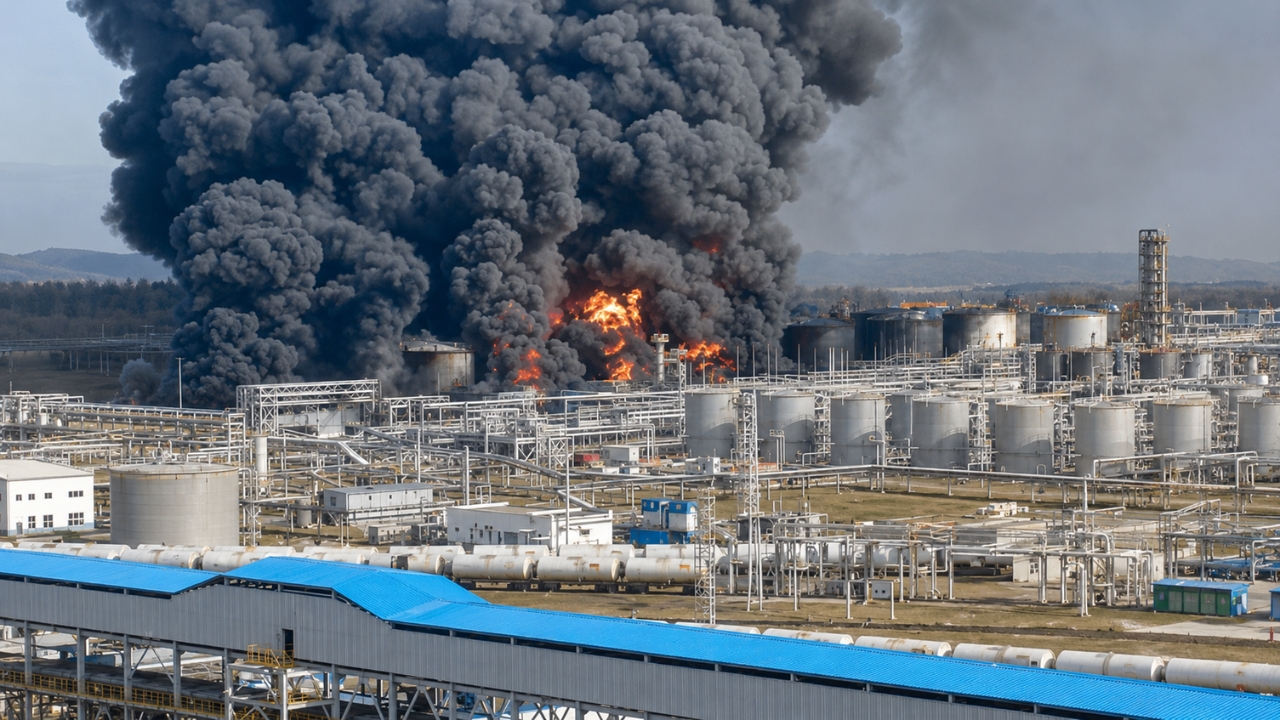

On the Argentine side, there is hope to secure financing from BNDES for the second section of the Néstor Kirchner pipeline. The project aims to expand the export of unconventional gas from Vaca Muerta, located in Neuquén, and increase gas exports to southern Brazil.
Although Brazil and Argentina Are Linked By Pipeline, Their Integration Has Never Been Fully Realized.
The original project, from the late 1990s, envisioned the construction of a 615 km pipeline connecting Porto Alegre (RS) to Uruguaiana (RS), on the border with Argentina where a thermoelectric plant existed. The undertaking by the Southern Brazil Gas Transporter (TSB) was divided into three segments.
However, only two of these segments got off the ground in the early 2000s: the section connecting the Triunfo Petrochemical Pole (RS) to Porto Alegre, where the Bolivia-Brazil Pipeline (Gasbol) ends; and also the section between Uruguaiana and the Gas Transporter of Mercosur (TGM) network located in Argentina. Brazil imports gas from Argentina to supply the Uruguaiana thermoelectric plant – a merchant plant whose operation is not continuous.
This project was left behind with the decline in Argentine production in the mid-2000s. Gas imports from Argentina were then interrupted in 2009, and the Uruguaiana thermal plant ceased its activities.
The new prospects of Argentina’s gas industry, spurred by increased production of unconventional gas from the Vaca Muerta formation, have reignited the plan for integration between the two countries. And now, they bring a new opportunity to make the Triunfo-Uruguaiana pipeline viable. Since mid-2019, Argentine entrepreneurs in the gas sector have expressed interest in re-establishing close ties between the two markets.