Portuguese
  Spanish


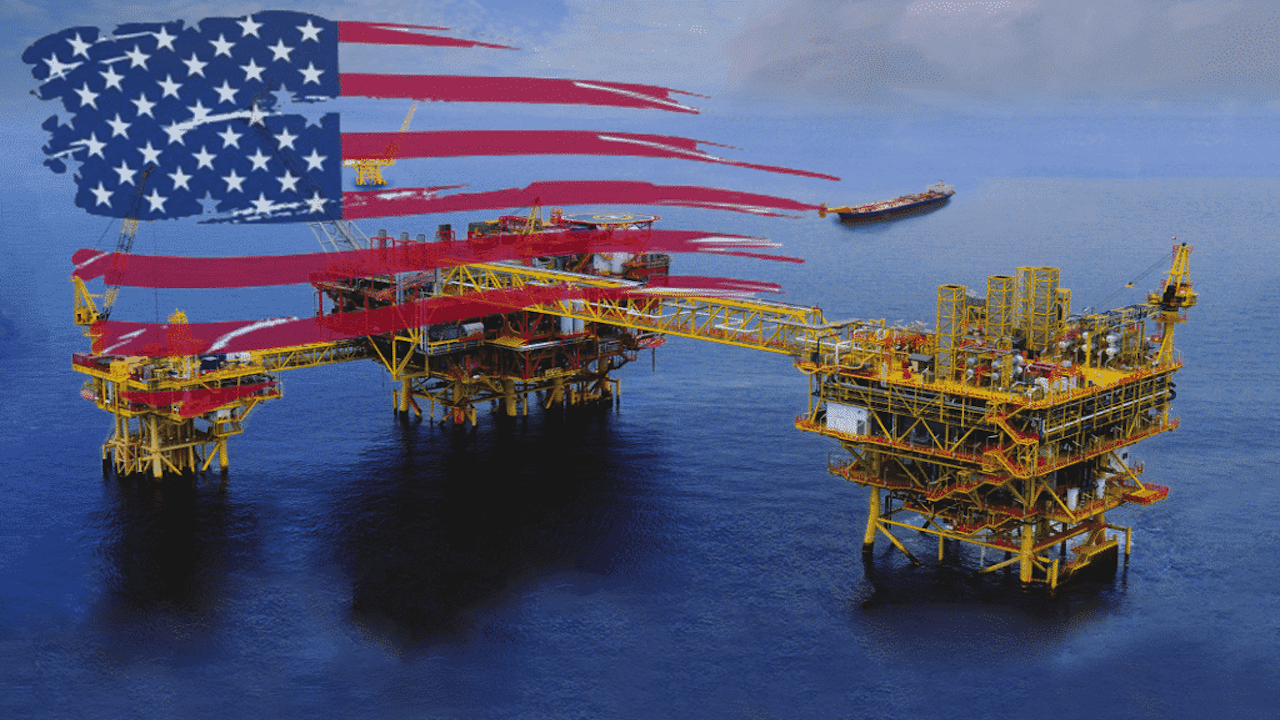

Brent Crude Surpasses the US$ 110 Barrier Yesterday (02/03) and WTI Rises Over 5% Amid Escalating Oil Prices Due to the Invasion of Ukraine
After Russia’s invasion of Ukraine, which has been causing instability in the international market, the United States, as part of an international effort to stabilize and curb the price of oil, will release 30 million barrels, President Joe Biden said last Tuesday (01/03).
Also Read
- Oil Prices Could Spike to US$ 150 per Barrel, and Gasoline May Become Even More Expensive If Russian Crude Oil Exports Are Affected by Tensions with Ukraine
- Abu Dhabi’s Mubadala Sovereign Fund, Which Bought the RLAM Refinery from Petrobras, Is Increasing Gasoline and Diesel Prices More Than the State-Owned Company
- Use of Gas (CNG or Biogas) as Fuel Came to Save Consumers Money and Becomes a Better Alternative to Replace Gasoline and Diesel in Light and Heavy Vehicles, While Also Reducing Pollution
- Ethanol Prices Plummet in the Southeast, While Gasoline Prices Spike Even in ‘Stability,’ with the Average in the Region Reaching Nearly R$ 7.00
“The United States worked with 30 other countries to release 60 million barrels of oil from reserves worldwide. The United States will lead this effort, releasing 30 million barrels”, Biden announced to Congress in his first State of the Union address, adding that Washington is “ready to do more if necessary”.
The Brent crude exceeded the US$ 110 barrier this Wednesday and WTI rose over 5% amid escalating oil prices due to the invasion of Ukraine.
-
Qantas and Airbus Invest in Company Aiming to Convert Unsorted Household Trash into Jet Fuel

-
Brazil’s ANP Opens 86 New Oil Blocks in the Equatorial Margin, Expanding the Amazon River Mouth Frontier

-
OPEC+ Boosts Oil Supply by 188,000 Barrels per Day in July 2026, Leading to Price Drop from $112 to $89 per Barrel in Under Two Months

-
TotalEnergies Signs 20-Year Deal to Purchase 2 Million Tons of LNG from Alaska, Boosting Project Viability

Brent rose 4.88% to US$ 110.09, and WTI climbed 5.06% to US$ 108.64. In both cases, this is the highest price in more than seven years.
Gasoline and Diesel Prices Could Plummet and Become Up to R$ 3.00 Cheaper If Senate and Congress Create a Fund from Profits Obtained by the Government from the Rising Dollar and Oil Prices to Subsidize Fuel Adjustments
Prices for gasoline and diesel liters could plummet to R$ 4.00! The Senate is set to discuss a solution starting in February to curb the ongoing spike in fuel prices, which has been experiencing constant surges. Senate President Rodrigo Pacheco announced on January 17 that he will submit Bill 1,472/2021 to the leaders’ college, which creates a stabilization program for the price of oil and derivatives in Brazil. If there is agreement among the leaders, the project will enter the Plenary agenda.
“I will submit it for evaluation to the Leaders’ College at the beginning of February. The intention is to schedule it. Senator Jean Paul Prates will be the rapporteur and is very dedicated to the topic,” Pacheco informed.
The impact of this subsidy package could result in a reduction of up to R$ 3 in diesel and gasoline prices, and up to R$ 20 on the 13kg gas cylinder within a period of up to 40 days from the approval of the Executive power or the President of the Republic.
A “Compensation Account” Should Be Created with Funds from Profits Obtained by the Government from the “Exceptional High of the Dollar and Oil” to Ensure the International Price for the Refiner and Importer
The Bill 1,472/2021, from Senator Rogerio Carvalho (PT-SE), was approved by the Economic Affairs Committee (CAE) in December 2021 and contains measures to mitigate the impacts of rising crude oil prices and curb high fuel prices. The project was approved in the form of an alternative text by Senator Jean Paul Prates (PT-RN).
The text, according to Jean Paul, is based on three pillars: in addition to creating a stabilization program aimed at reducing the volatility of petroleum derivative prices, it creates a new internal pricing policy for sales to distributors and trading companies of oil derivatives produced in Brazil. Read the full article here.