Portuguese
  Spanish


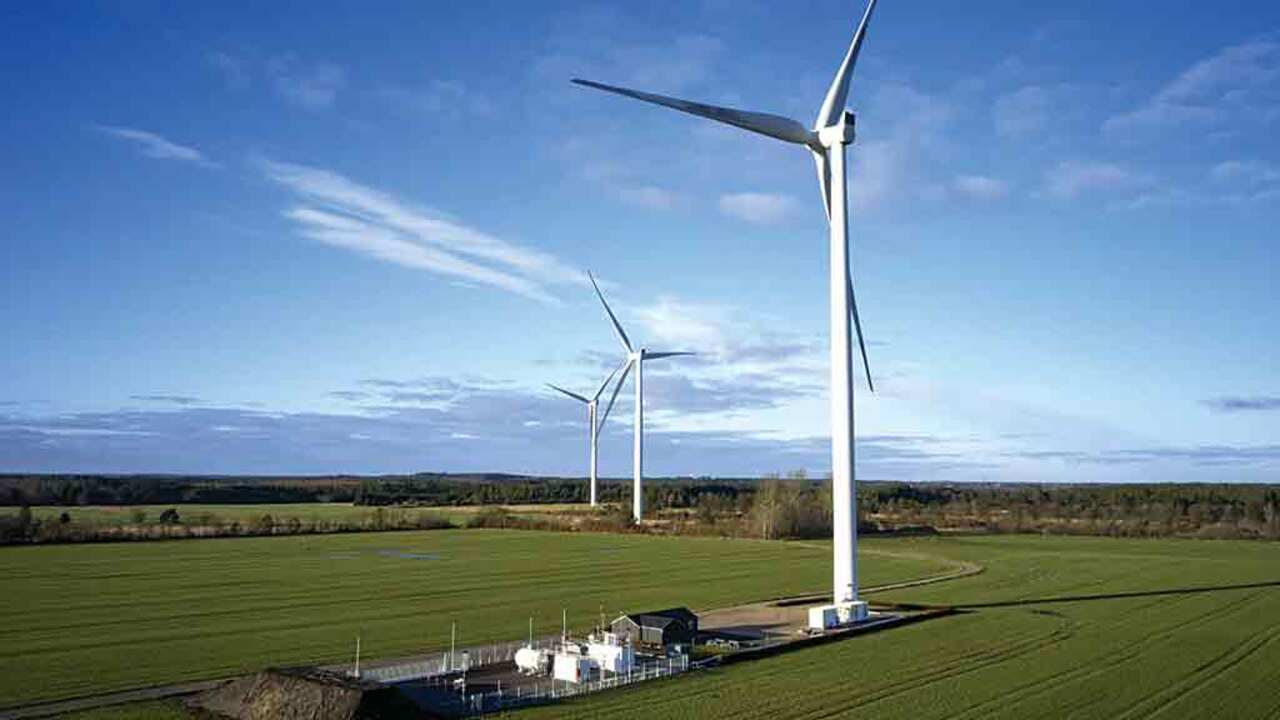

Brazil Begins to Receive New Investments and Could Become One of the Main Countries in the Production and Export of Green Hydrogen
After investments, Brazil has the potential to become a leader in the production and export of so-called green hydrogen, according to estimates from the Hydrogen Council, an initiative that brings together CEOs from 92 global companies. This is a market that is expected to reach globally US$ 2.5 trillion by 2050, accounting for about 20% of the world’s total energy production.
Read Also
Paulo Alvarenga, Head of South America for Thyssenkrupp, states, “As seen in Europe, it is essential to incorporate green hydrogen as a strategic component in the Brazilian energy production matrix.”
André Clark, General Manager of the Brazilian operation of Siemens Energy, states that the company is already negotiating in the country with industries interested in being pioneers in the use of green hydrogen. According to him, the first pilot projects will be announced soon by the company.
-
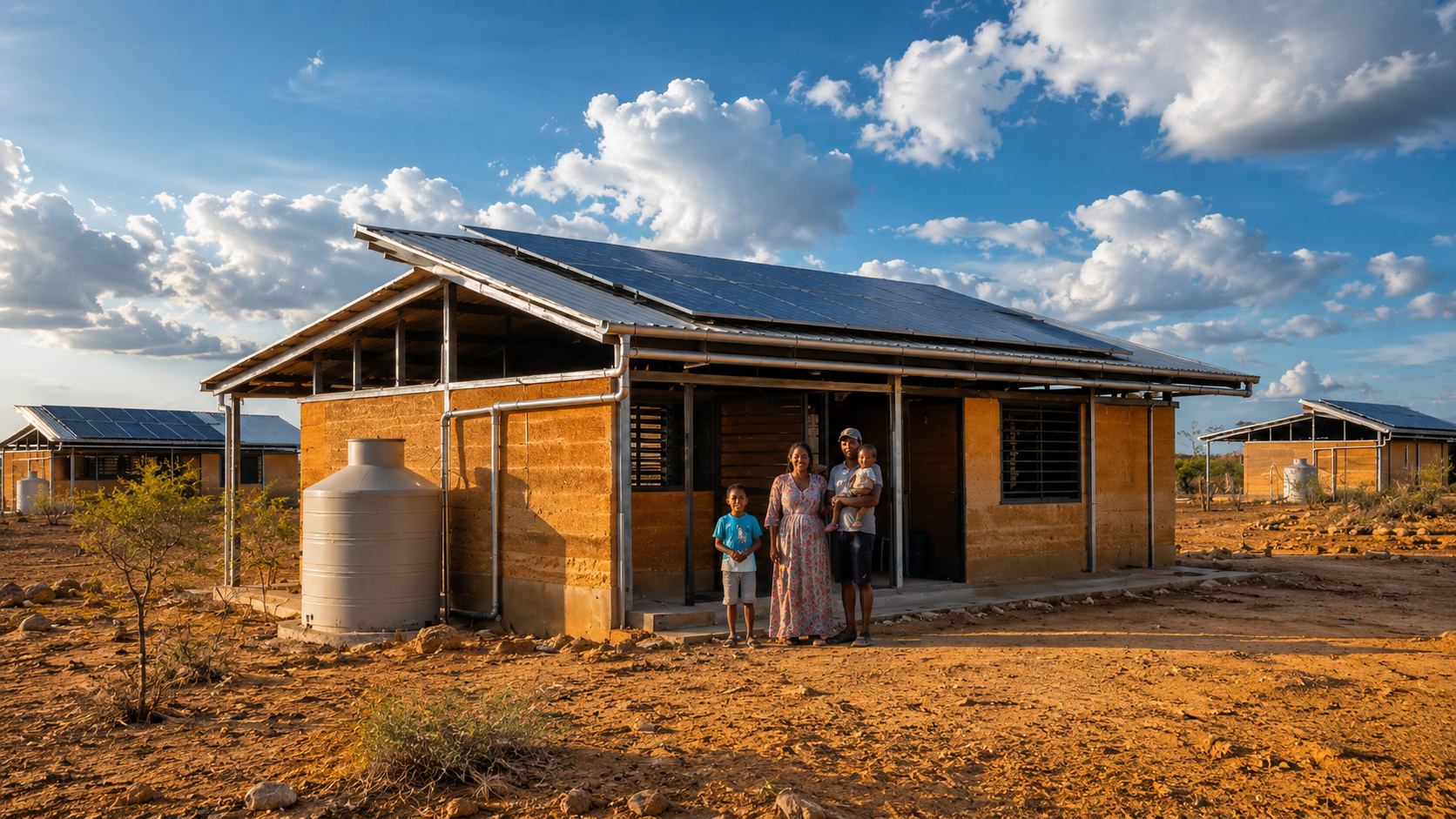
In Colombia’s desert, 30 families receive 80 m² homes with solar panels, waterless toilets, and rainwater collection systems amid water and energy shortages.

-
Engie Secures 10-Year Use of 625 MWh in Batteries to Store Excess Solar and Wind Energy in Spain by 2028
-
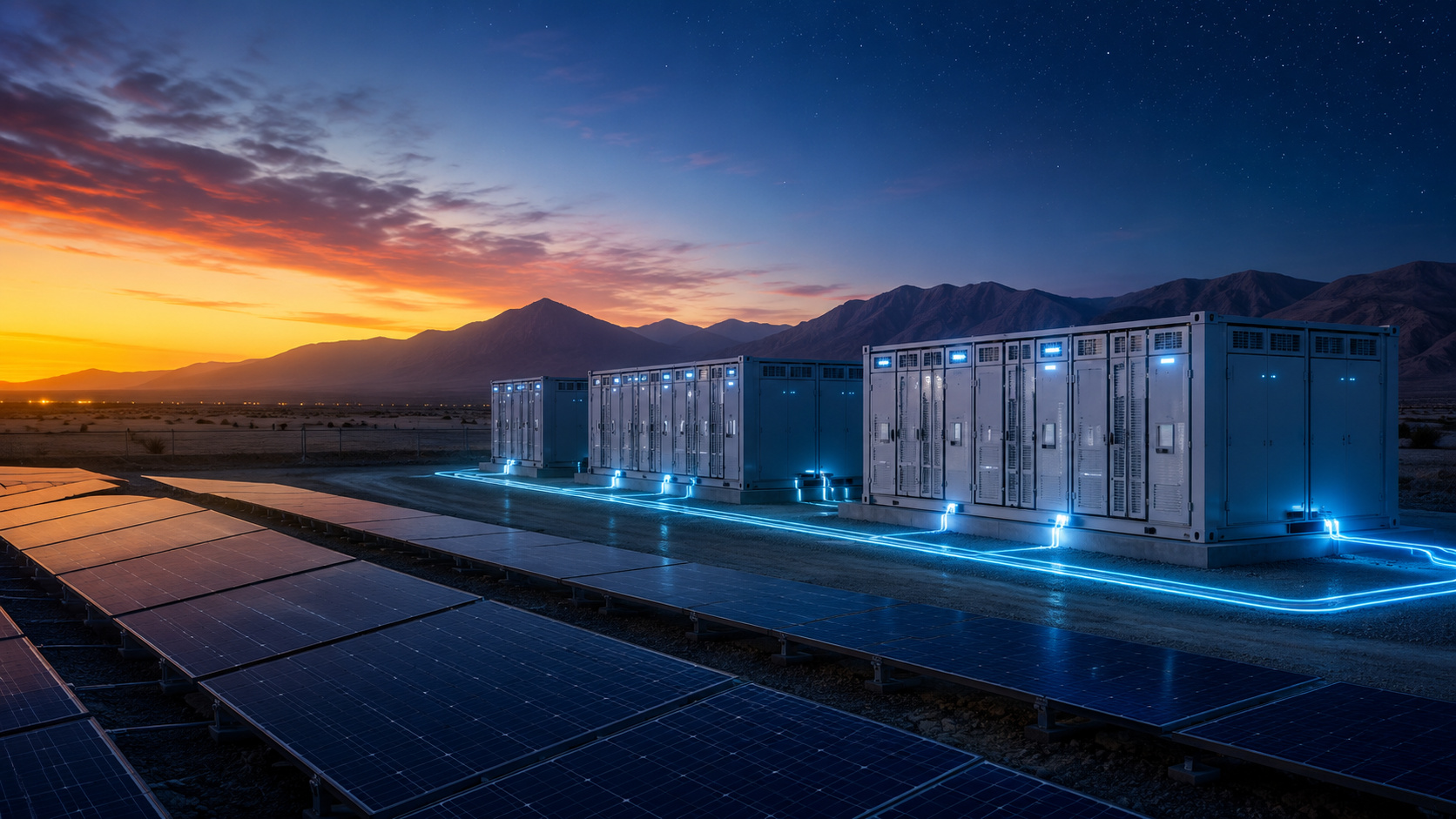
Giant Batteries Take Center Stage in Chile Auction as Company Offers 960 GWh of Solar Energy for Nighttime Use, Aiming to Stabilize Solar Power Supply
-
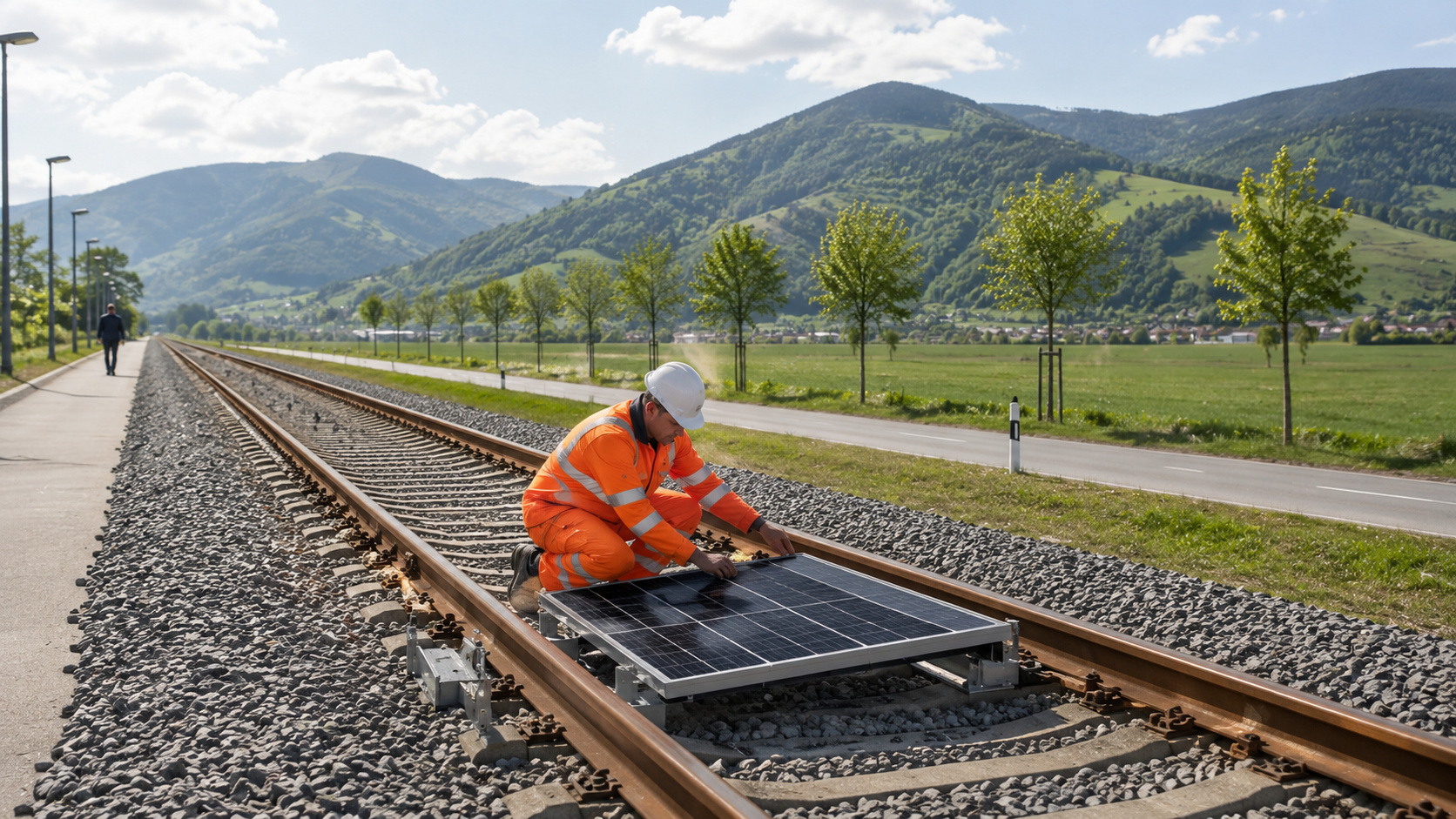
After a Year of Success in Switzerland, Solar Railway Attracts Italy’s Interest for Clean Energy Transformation

“It is still new, it is cutting-edge technology, but we believe that hydrogen will play an important role in the sustainable energy transition and in coupling the sectors in the country, and for this reason, we decided to allocate our hub to serve Latin America from Brazil,” says Clark.
Brazil in the Energy Transition to Green Hydrogen
According to the Green Hydrogen Cost Reduction report by the International Renewable Energy Agency, falling renewable energy costs and improvements in electrolysis technologies could make green hydrogen more competitive for investments by 2030.
As countries seek to make investments and strategies for decarbonizing the economy, this source is likely to play an increasingly relevant role in the global energy matrix. But for this to happen, production costs need to fall for it to be economically viable worldwide.
The price of renewable electricity is the largest individual cost component for local green hydrogen production, creating production opportunities in locations around the world that have ideal renewables, capable of enhancing competitiveness in investments.
According to analysts, investments in green hydrogen could give Brazil a very competitive cost for domestic consumption and export to markets such as the European.
Investments in Green Hydrogen
This energy source has both advantages and disadvantages that we should be aware of. Its advantages are that it does not emit pollutant gases during either combustion or production processes; hydrogen is easy to store, allowing its use later for other purposes and at different times than its production.
Green hydrogen can also be converted into electricity or synthetic fuels and used for domestic, commercial, and industrial purposes.
However, green hydrogen also has negative aspects. Such as its higher cost. Energy from renewable sources, essential for generating such fuel, is more expensive to produce, which in turn makes hydrogen more expensive to obtain.
Another downside is that the production of hydrogen in general and green hydrogen in particular requires more energy than other fuels. Hydrogen is a very volatile and flammable element, requiring high safety standards to prevent leaks and explosions.