






 Portuguese
  Spanish




BYD Announces When It Will Begin Production of Vehicles in Brazil in 2025, with a Factory in Camaçari That Promises to Transform the Electric Car Market in the Country.
After years of importing vehicles from China, BYD announces the official date to start manufacturing cars in Brazil.
On June 26, 2025, at 9 AM, the automaker will take the first step in local industrialization, with the opening of its new factory in Camaçari, Bahia, as confirmed by Alexandre Baldy, chairman of the Board of Directors of BYD Brazil, during the launch of the Song Plus DM-i 2026.
The national production marks a historic moment for BYD, which leads the Brazilian market for electrified vehicles and is now investing firmly in the country, creating jobs and strengthening the local industry.
-
Wave Rock: Australia’s Giant Granite Wave Stands 15 Meters Tall, Spans 110 Meters, and Showcases 2.7 Billion Years of Erosion in the Australian Desert

-
How to Unclog Showerhead Holes Blocked by Limescale and Hard Water Without Replacing or Hiring a Technician

-
Award-Winning Korean Electric Scooter Concept Folds to Briefcase Size, Eases Transport Challenges

-
YouTuber Discovers Surreal Collection in 400-Year-Old Italian Fortress Near Florence: 419 Anvils, Giant Walruses, Ancient Church, and WWII Tunnels



According to Baldy, the plant’s inauguration goes far beyond economic growth: “It is made by Brazilians, and made for Brazilians.”
The Bahia unit was set up in the former Ford facilities, signaling the company’s commitment to establishing itself in Brazil.
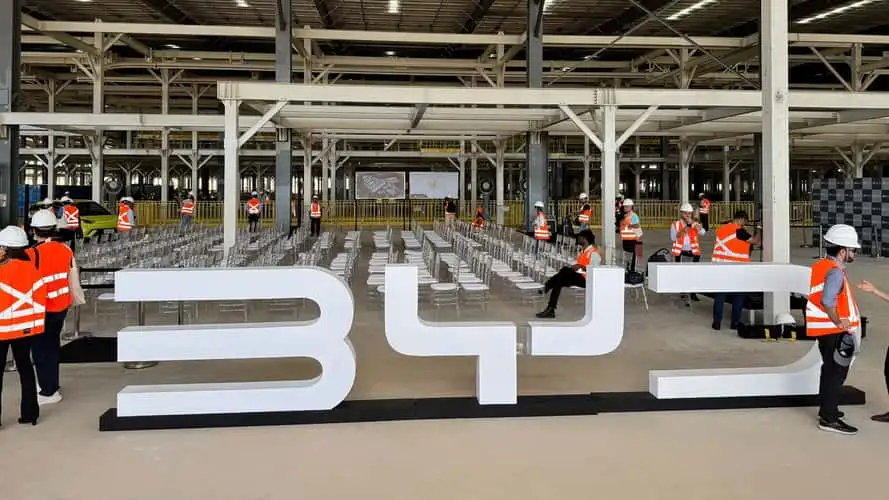
Camaçari Factory is BYD’s First Outside Asia for Passenger Cars
The Camaçari factory will be BYD’s first outside Asia dedicated to the production of passenger cars, a milestone that reinforces the importance of the Brazilian market for the Chinese automaker.
The investment in Bahia is part of a larger strategic plan, which includes the establishment of three factories in the region: one for passenger vehicles, another for electric bus chassis, and a third for processing essential materials, such as lithium and iron phosphate, which are key components for batteries.
Although BYD has not yet confirmed which model will be the first to roll off the assembly line, expectations center around the BYD Dolphin Mini — a vehicle that has already popularized electric cars in Brazil — and the hybrid BYD Song Pro, both recognized by the brand and in high demand in the local market.
The BYD Dolphin Mini was the best-selling electric car in Brazil in 2024, with over 20,000 units registered, solidifying the company as the absolute leader in the segment.
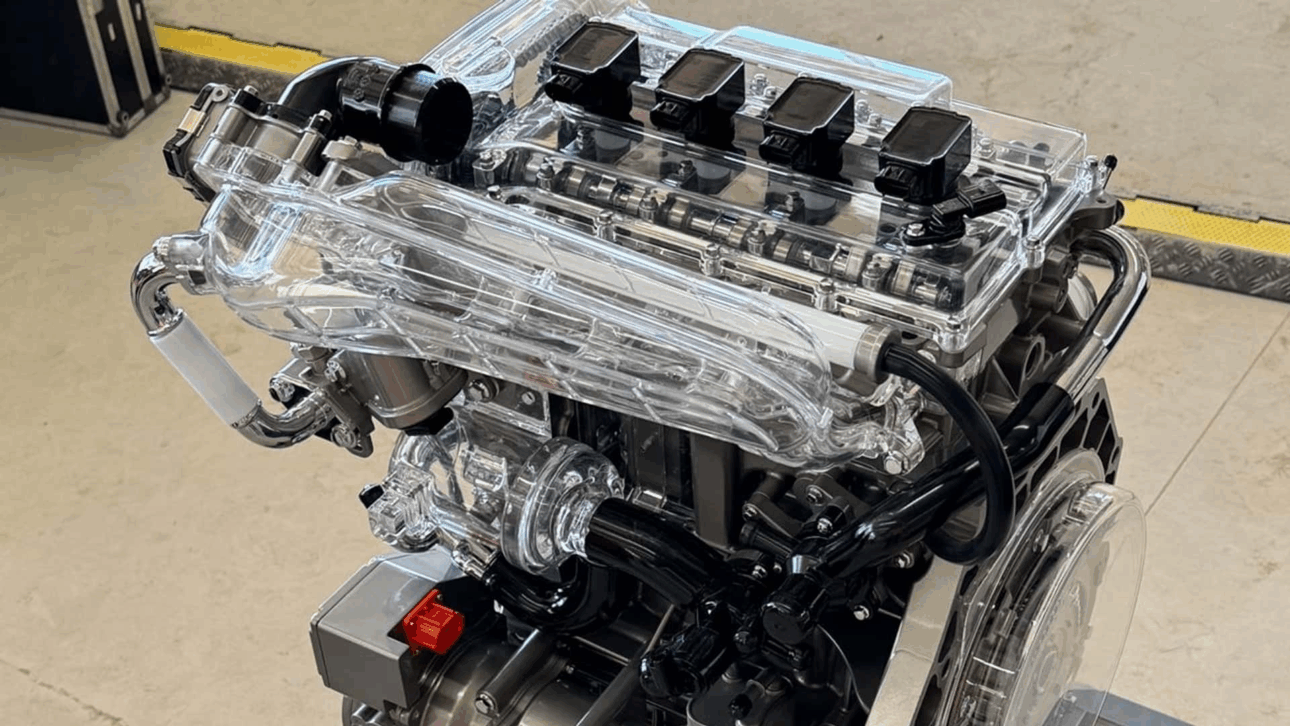
National Production Promises to Reduce Prices and Accelerate Market Responses
The local production is expected to have an immediate positive effect on vehicle prices as it will reduce logistics and tax costs, in addition to strengthening competitiveness against other automakers that have also heavily invested in Brazil.
Furthermore, the factory in Camaçari will give BYD the agility to respond faster to the preferences and needs of Brazilian consumers, adapting products to the local market more efficiently.
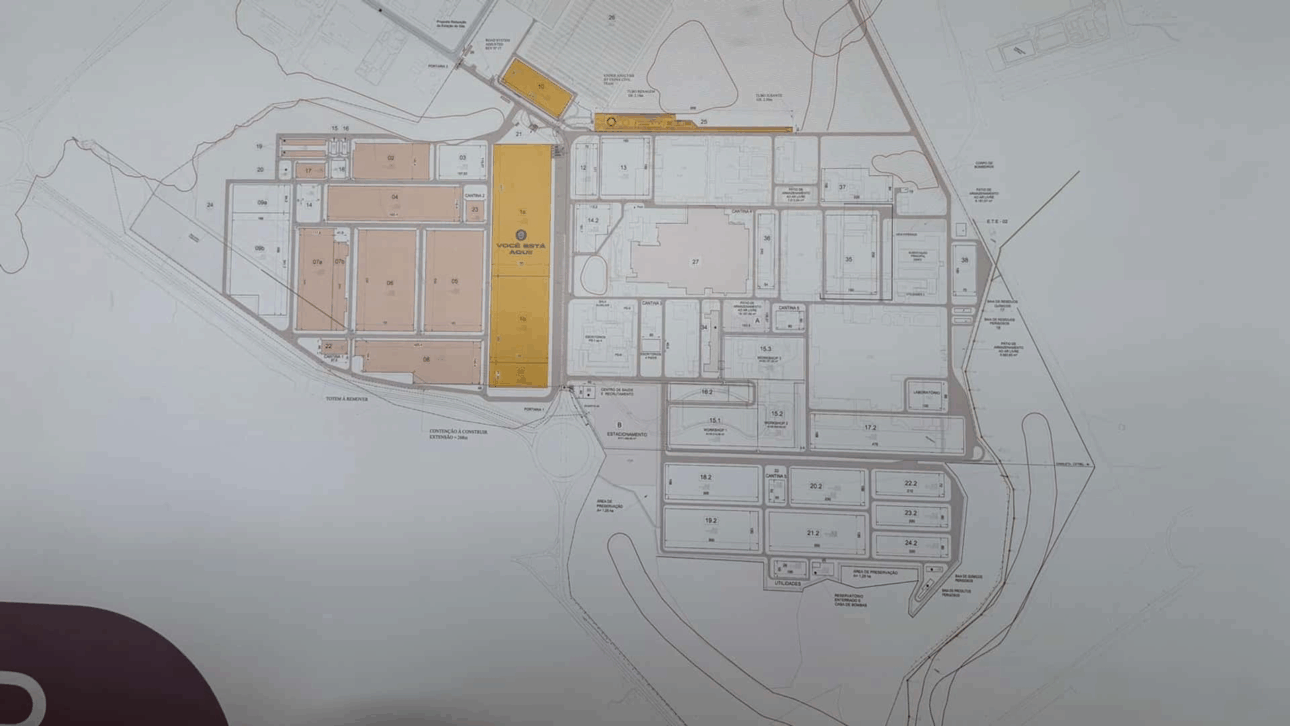
Context: Transformation in the Brazilian Automotive Market
The arrival of BYD’s national production comes at a time of profound transformation in the Brazilian automotive sector.
In recent years, Chinese automakers such as GAC, Geely, and GWM have accelerated their plans to produce vehicles in the country, bringing innovation and greater supply for consumers.
With BYD’s expansion, Brazil has the potential to become one of the most important centers for the electric vehicle industry in Latin America, attracting investments and encouraging local technological development.
The Bahia plant, built on the foundations left by Ford, also symbolizes a restructuring of the automotive sector in the country, which seeks to reinvent itself in light of the transition to sustainable mobility.
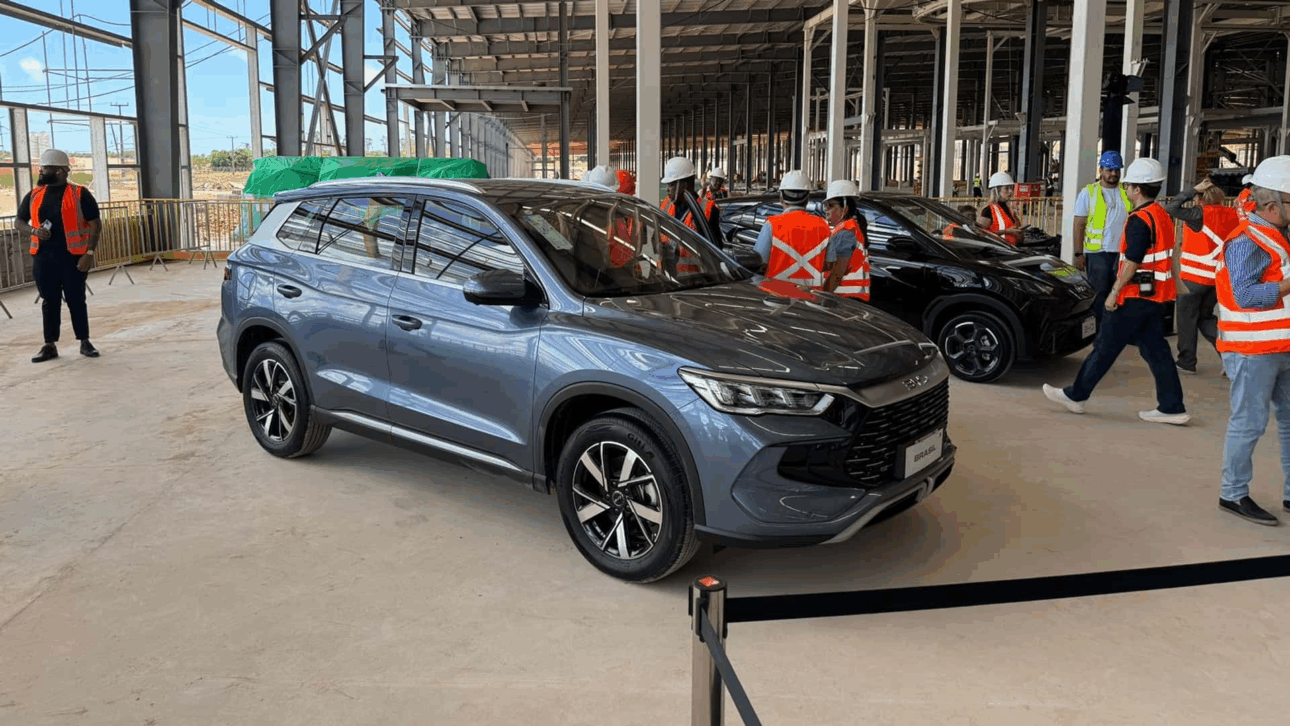
Economic and Technological Impacts of BYD’s Arrival
According to experts, BYD’s investment in Brazil not only generates direct jobs at the factory but also boosts a robust production chain, involving local suppliers and sectors related to battery technology and electronic components.
The expectation of the market is that, with national production, BYD can further expand its share in the Brazilian market, currently dominated by fossil fuel-powered vehicles, and stimulate a gradual shift in consumer profiles.
BYD’s industrialization reinforces the global trend of automotive electrification, which has gained momentum in recent years, driven by environmental goals and public policies to encourage electric vehicles.
Meanwhile, other automakers are still trying to adapt to this new scenario, which positions BYD as a standout pioneer in the sector in the country.
The company also plans to use the Camaçari unit as a base to expand its production line and technologies, including future launches of electric and hybrid vehicles that meet the specific demands of Brazilian consumers.
The future of mobility in Brazil hinges on investments like this that combine technological innovation, sustainability, and local economic development.
Do you believe that the arrival of BYD’s national production will be a game-changer for the electric car market in Brazil? How might this impact your choices when buying a vehicle?


