





 Portuguese
  English
  Spanish
 3 min of reading


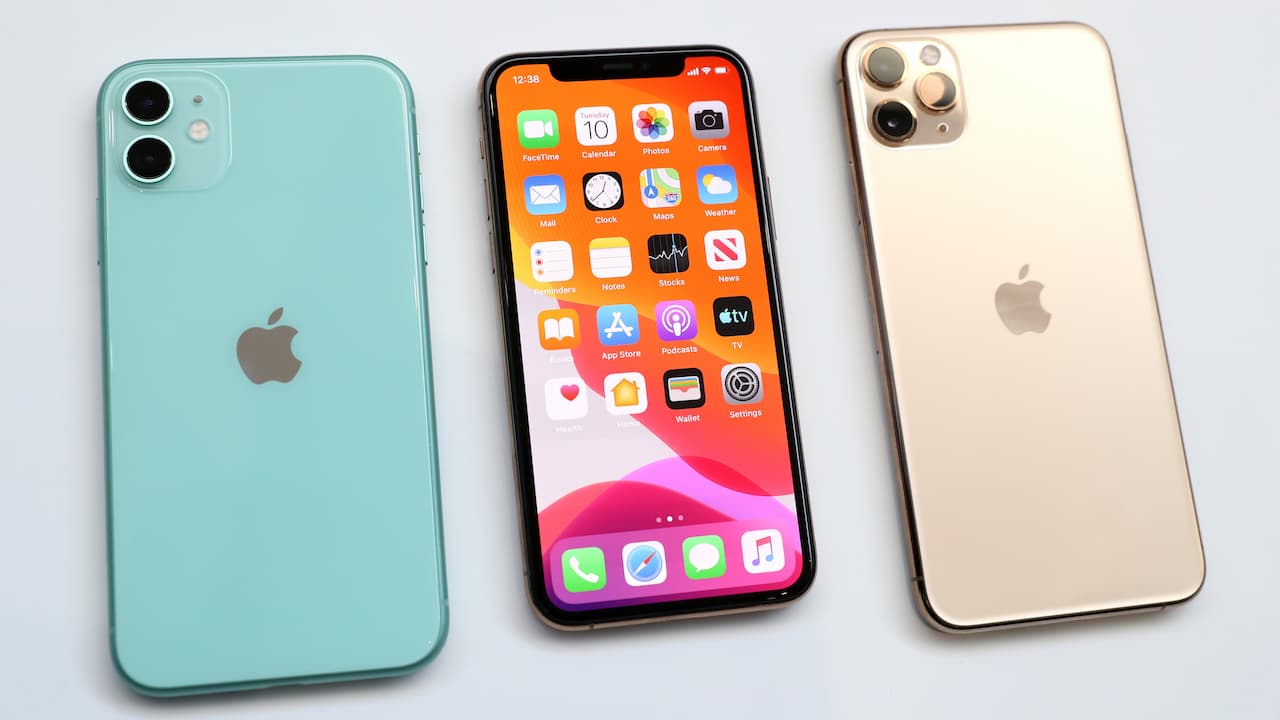
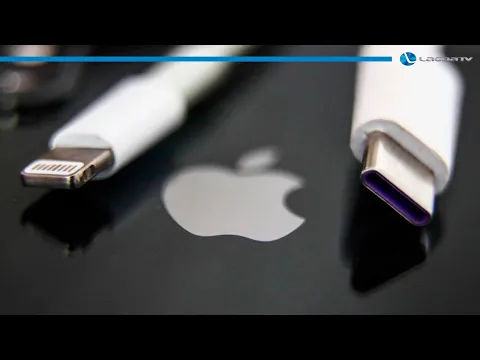
With the New Changes in European Union Laws, Apple Found Itself Forced to Change Its Usage Policies. Last Month, the Company Changed Its Definitions to Support USB-C Charging for iPhones and Will Now Allow Third-Party App Stores to Run on Its Devices.
In this way, a new reality emerges: Apple allowing iPhones to Download Competing Apps! According to the company, the decision applies to iPhones and iPads, but this compatibility will initially be limited in the European market. Following the legal change in Europe, Apple Plans to Change These Definitions by the End of 2023.
This decision will be huge for the industry, as it opens pathways for companies like Amazon and Microsoft to Allow iOS and iPadOS Users to Bypass the App Store and Use Their Apps. On the other hand, the change has sparked a discussion about the security of iPhones — something Apple has always guaranteed on the device.
This is because one of the reasons why Apple does not support third-party app sideloaders is the lack of control over the security of those apps and their devices. Thus, even though it is a common request from users, the new decision may not be beneficial for those who wished to go beyond the App Store.
-
The largest scientific infrastructure ever built in Brazil cost R$ 2.8 billion and now gains four new lines to reveal materials, microchips, and even microorganisms at the atomic scale; meet Sirius.

-
A simple cable splice can cost R$ 500,000 in the high-voltage underground project that promises to change the energy game in Brazil and challenge the limits of national electrical engineering.

-
Four robotic arms printed steel layer by layer in Amsterdam and created the world’s first 3D bridge, measuring 12.2 meters, with smart sensors and almost no material waste.
-
While cities like Tokyo, New York, and Frankfurt may take up to 18 months to build a single large-scale water-cooled data center, Google and SpaceX confirmed in May 2026 formal negotiations to launch entire artificial intelligence processing facilities into low orbit before 2030, using Elon Musk’s company’s Starship V3 rockets, with solar power 36% more efficient than on Earth’s surface, vacuum radiative cooling, and prototypes of Project Suncatcher already scheduled to enter orbit in early 2027.




Regarding the new EU Law, curiously, it does not guarantee that Apple allows a third-party charging system, undermining its revenues, as it will lose the power to charge developers a commission of up to 30% on purchases in the App Store. In other words, the decision calls into question the typical fee that the iPhone charges users to use certain apps.
New European Law Changes Apple’s System

According to the EU, the new law will come into effect in mid-2024, and failing to comply with the rules will put Apple in a delicate situation. This is because it will face fines of up to 10% of its annual global revenue, which represents a huge amount for the company. Although the situation is delicate, Apple is expected to comply with the agreement.
In practice, this decision may hurt Apple. After all, the company has built an image of privacy and security for users, so sideloading will completely take that away from the company, opening the door for new attacks. In other words, hackers and other digital criminals will now know that there is a vulnerability in the iOS and iPad system.
In this regard, it is expected that the company will be able to double its security level to prevent its users from having their information violated while using third-party apps.
Finally, even though most Apple users have always dreamed of this moment, it may only be beneficial in the initial phase. In fact, this action might also be adopted in other markets, so it will be Apple’s duty to create a structural policy to prevent fraud and other issues with its users.


Be the first to react!