






 Portuguese
  Spanish


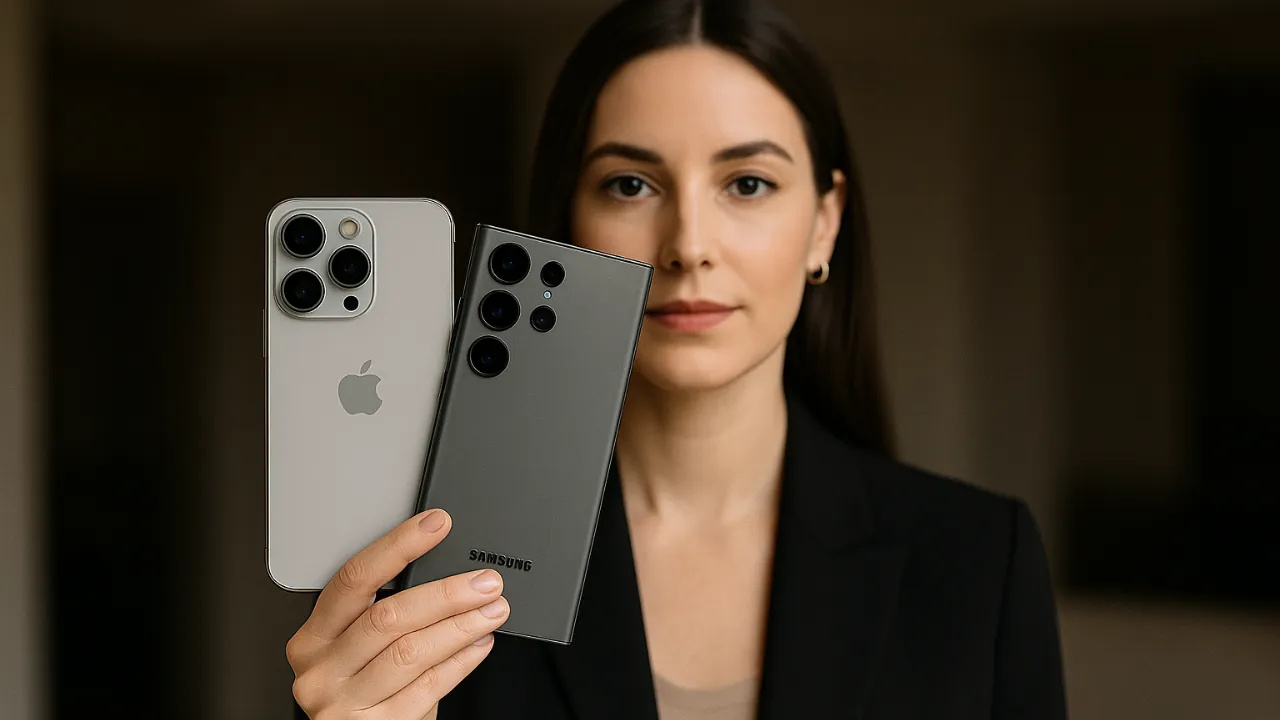

The landscape of artificial intelligence in smartphones is about to gain a decisive chapter. Apple Inc., which has been strengthening its Apple Intelligence suite, is now seeking the help of Samsung Electronics to gain a competitive edge in its entry-level line — targeting directly the more affordable models of iPhones. According to information published by SamMobile, Apple has requested that Samsung increase the supply of LPDDR5X memory modules, indicating that the basic version of the next iPhone should jump to 12 GB of RAM to support AI operations directly on the device.
Why 12 GB of RAM?
Currently, Apple’s Pro and Pro Max models already operate with 12 GB of RAM, while the base version has about 8 GB. The demand for more memory arises from what is expected of local AI computing — without relying solely on the cloud — which requires greater bandwidth and memory capacity to run inference models and complex tasks efficiently. SamMobile highlights that Samsung only manufactures 12 GB and 16 GB modules in LPDDR5X, reinforcing the indication that Apple is about to raise the bar for its entry-level model.
The Strategic Move — Entry-Level Versus Flagship
This move makes it clear that Apple sees its entry-level line as vulnerable to competition from Samsung in the premium segment. By elevating the technical performance of the simplest iPhone, the company intends to narrow the gap between flagship Android devices equipped with advanced AI. On the other hand, turning to Samsung as a strategic supplier means strengthening a partnership with someone who is also its biggest rival in the global smartphone market.
-
16-Year-Old from Brazil’s Sertão Wins Young Scientist Award for AI Predicting Rainfall with 94.5% Accuracy to Aid Farmers

-
Netherlands Reports First Child Euthanasia Case Since Rule Expansion for Minors

-
Brazilian Innovator Survives Homemade Submarine Dive in Paraty Despite Hatch Leak and False Oxygen Alarm
-
China Develops Custom 140-Ton Electric Mining Truck with 770 kWh Swappable Battery, Deploys 290 Units in Xinjiang’s Largest Zinc Mine



Impact on the End User
For the consumer, this change could generate three direct impacts.
First, the experience with AI features, such as automatic summaries, content generation, and photo optimization, should become smoother even in the most affordable model.
Second, the reduced reliance on cloud computing favors privacy and decreases response time.
And third, the higher cost of the LPDDR5X modules may raise the final price or reposition the entry-level iPhone into a higher value range.
What This Indicates for the Future of Smartphones
Apple’s move confirms two main trends in the market: local artificial intelligence is becoming a differentiator even in basic devices, and the competition between Apple and Samsung now includes dominance over memory technology and energy efficiency. The battle for the smartest smartphone is no longer limited to the camera or design — it now involves hardware architecture aimed at AI.
Moreover, the fact that Samsung is supplying Apple with the same modules used in its own Galaxy models shows the level of complexity in the industry. While one seeks to advance technologically, the other profits as a component supplier. In the end, both benefit: Apple gains technical capability and Samsung strengthens its leadership position in the supply chain.
In summary, Apple wants to achieve leadership in artificial intelligence in smartphones and, to do so, has decided to attack its most vulnerable point: the performance of entry-level models. Equipping the future basic iPhone with 12 GB of RAM and Samsung’s LPDDR5X technology is a move that reveals the company’s new focus. The decision is a direct response to the Galaxy AI era and shows that the next generation of iPhones may usher in a new power base in the world of mobile AI.





