






 Portuguese
  Spanish
  5 min of reading
  0 comments


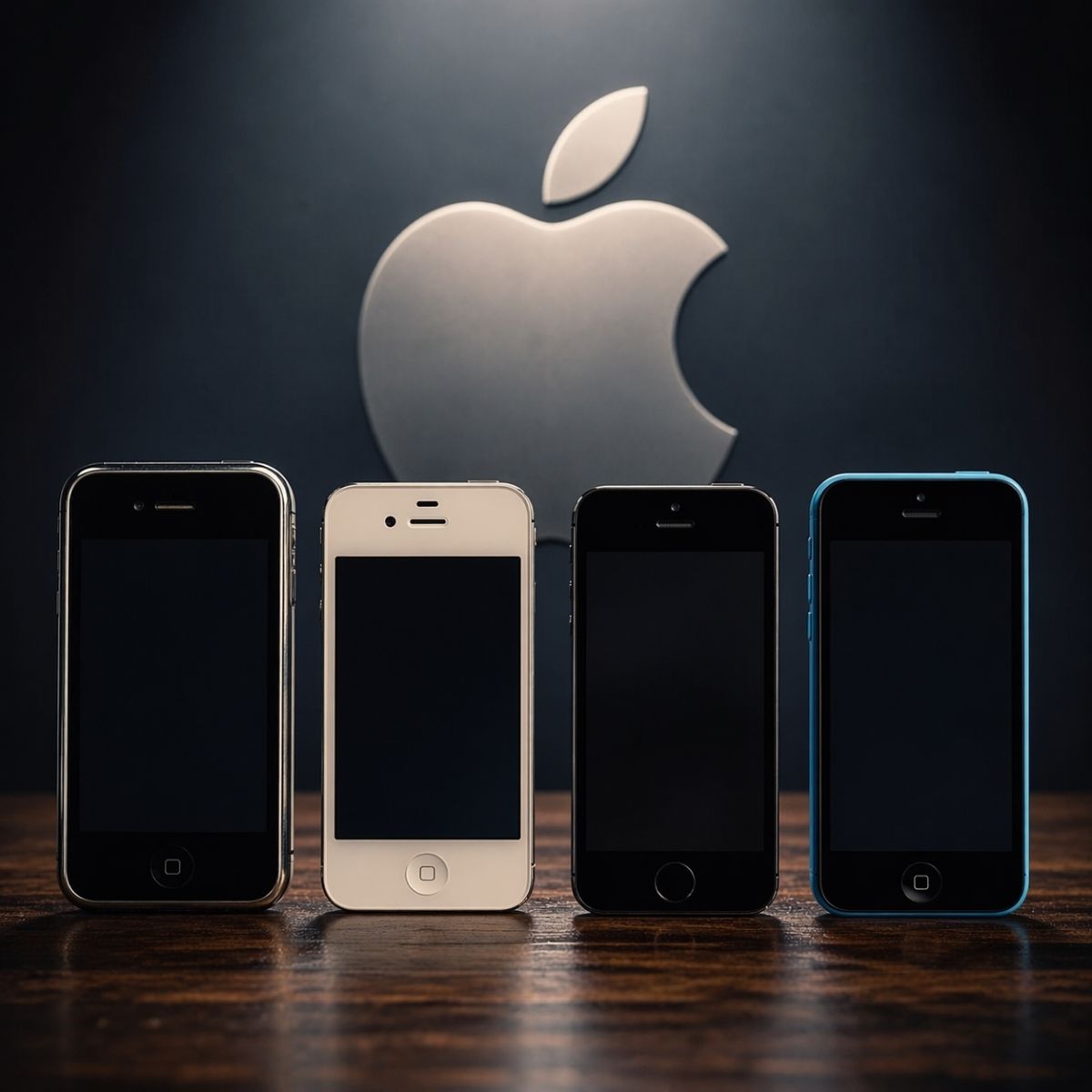
Leak indicates that the iPhone 11, 11 Pro, 11 Pro Max, and 2nd generation SE will not receive the iOS 27 update, which Apple is expected to launch in 2026 with new AI features and a possible reformulation of Siri, leaving millions of users stuck on the previous version of the system.
Apple is expected to present iOS 27 in 2026, but a recent leak suggests that four iPhone models will be left behind in the next operating system update. According to information published by the leaker Instant Digital on the social network Weibo, the iPhone 11, iPhone 11 Pro, iPhone 11 Pro Max, and the 2nd generation iPhone SE will lose compatibility with the new version, being the first on the cut list in a cycle that Apple repeats annually by discarding devices with hardware deemed insufficient to run the latest features. The cut line will now be the iPhone 12, which inaugurates the series with confirmed support for iOS 27.
The excluded devices will not stop functioning. The iPhone 11 and the 2nd generation SE will continue to make calls, access apps, and perform everyday functions normally, but will be frozen on the current version of the system without receiving new features, interface improvements, the reformulated Siri, or the artificial intelligence functionalities that Apple plans to integrate into iOS 27. The company usually maintains security updates for discontinued models for some time, but access to vulnerability fixes also has an expiration date, and as months go by, some apps may start requiring newer versions of the system to function.
Which iPhone models will receive iOS 27

The list of devices compatible with the next update starts with the iPhone 12 and extends to the most recent models. The entire iPhone 12 family, including the mini, Pro, and Pro Max variants, remains in the support cycle, as do the iPhone 13, 14, 15, 16, 17 lines, and the 3rd generation iPhone SE. The new iPhone Air, if released as rumors suggest, will also be part of the group of devices eligible to receive iOS 27.
-
Helicopter Drops 180 Tons of Sand and Gravel on Swedish River to Revive Ecosystem Damaged by Decades of Exploitation

-
Brazilian Company Launches Retro Smartphone with 48 MP Camera, T9 Keyboard, and Privacy Features for Social Media-Free Use

-
Self-Taught Chinese Farmer Builds 5-Ton Submarine from Scrap, Launches It in Anhui River
-
Invisible Induction Technology Enables Wireless Power for Blenders, Coffee Makers, and Air Fryers, Reducing Countertop Cables




The maintenance of the iPhone 12 on the list is significant because the model will complete six years on the market in 2026. Apple historically offers between five and seven years of support for its devices, a period considerably longer than that of most Android manufacturers, and the fact that the iPhone 12 continues to receive updates reinforces this reputation. For iPhone 11 owners, however, the message is clear: five years of updates represented the limit, and starting with iOS 27, the device enters a phase of gradual obsolescence.
What changes in practice for those who have an iPhone without iOS 27

In the short term, almost nothing. The iPhone 11 will continue to function exactly as it does today, with the same apps, the same settings, and the same experience that the user already knows. The difference is that, while compatible models will receive new artificial intelligence features, possible improvements to Siri, and performance tweaks, those left behind will not have access to any of these new features.
The problem worsens over time. App developers eventually stop supporting older versions of the system, and functionalities that depend on frameworks exclusive to iOS 27 simply will not be available for the iPhone 11 and its generation equivalents. Banking apps, social networks, and productivity tools may start requiring iOS 27 as a minimum requirement within a year or two, at which point the old device ceases to be just outdated and becomes functionally limited.
Why Apple cuts iPhone models with each update
The decision is not arbitrary. Each new version of iOS brings features that require processing power, RAM, and energy efficiency that older devices cannot deliver without compromising the user experience. Apple prefers to exclude models rather than offer a degraded update that makes the iPhone slow or unstable, a strategy that preserves the software’s reputation but frustrates those who invested in a device that still works perfectly for basic tasks.
The iPhone 11 uses the A13 Bionic chip, a processor released in 2019 that was a benchmark for performance at the time. Seven years later, the generative artificial intelligence features and the new Siri that Apple integrates into iOS require the more advanced Neural Engine present starting from the A14, the chip that powers the iPhone 12, and this hardware limitation is likely the technical factor that determined where the cutoff line would be drawn. For Apple, keeping the iPhone 11 on the list would mean delivering a stripped-down version of iOS 27, and the company historically prefers a clean cut to a compromised adaptation.
What to do if your iPhone is out of the iOS 27 list
Those who own an iPhone 11, 11 Pro, 11 Pro Max, or second-generation SE have three options. The first is to continue using the device normally while essential apps still work, an option that may last another year or two without significant loss. The second is to take the opportunity to switch devices, considering that Apple and carriers usually intensify trade-in and financing programs when a generation is discontinued.
The third option is the most important: do not ignore the security updates that Apple will still offer for the iPhone 11 while residual support lasts. Keeping the system updated to the latest available patch is the best way to protect personal data, passwords, and banking information on a device that will no longer receive updated Siri or the embedded protection layers found in the latest versions of iOS. The iPhone 11 was one of the best-selling models in history for Apple, and millions of units are still in circulation worldwide. For these people, iOS 27 is the warning that the countdown has begun.
And you, do you still use an iPhone 11 or second-generation SE? Do you plan to switch devices or will you continue using it as long as you can? Leave your opinion in the comments.





-

1 person reacted to this.