






 Portuguese
  Spanish


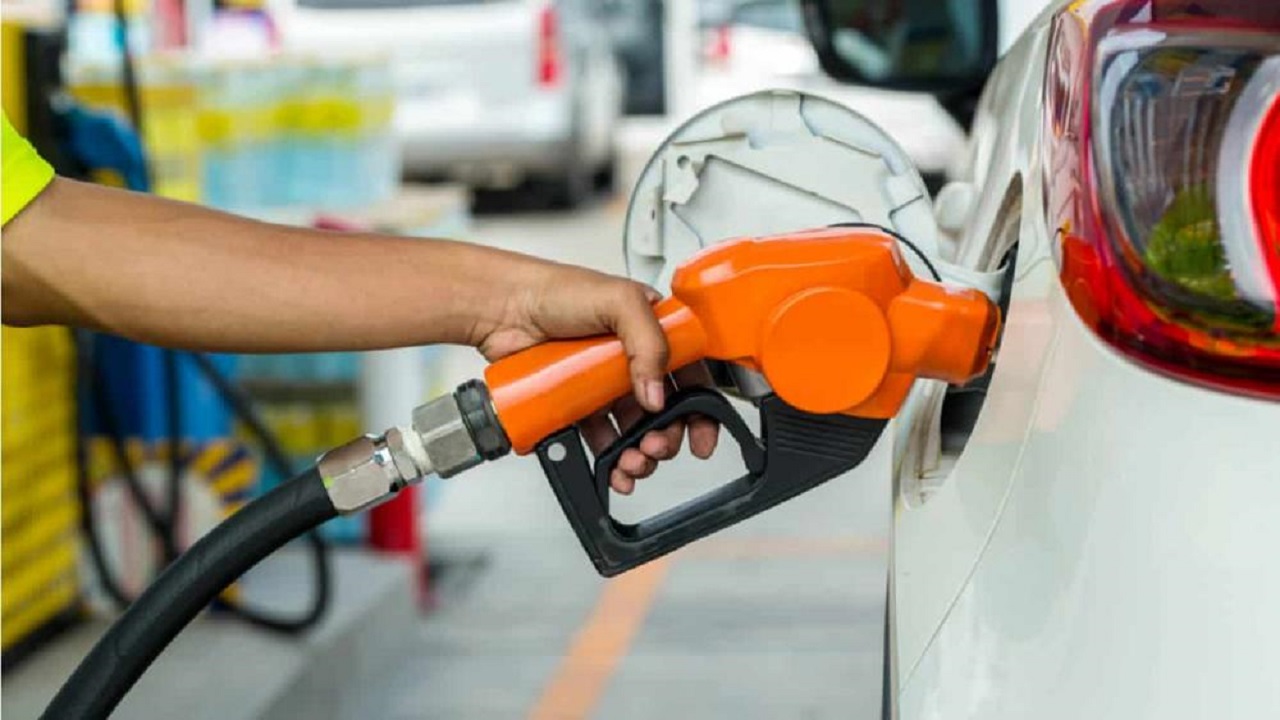

If Approved, The Expectation Is That R$ 1.65 Of The Price Of Gasoline And R$ 0.76 Of Diesel Will Be Reduced, But The States Will Lose Billions In Revenue
Senator Fernando Bezerra (MDB-PE), rapporteur of the Complementary Law Project (PLP) 18/2022, which reduces the application of the Goods and Services Tax (ICMS) on fuels, stated last Wednesday (8) that the approval of projects aimed at reducing fuel prices at stations, such as gasoline and diesel, can lower the price of gasoline by R$ 1.65 and diesel by R$ 0.76.
Ukraine and Russia War May Impact Fuel Reduction Projects


According to Bezerra, there is a simulation that states the impact on the price of diesel will be R$ 0.76 and on gasoline will be R$ 1.65. Therefore, everything is being done to alleviate the price of fuels. Bezerra emphasized, however, that there is no proposal for price regulation, which could effectively nullify any potential reduction in fuel prices, depending on the international scenario.
The senator points out that there is still a war in Ukraine, and Russia is responsible for 25% of diesel production worldwide, which keeps prices under pressure. It is evident that there will be an increase in fuel prices, but even with this possibility, the projects can help prevent them from rising beyond the current value.
-
At 14 years old, she worked in a factory in Hong Kong, studied economics abroad, and then entered the Chinese real estate market, which helped change the landscape of Beijing.

-
While NATO secured more than $10 billion in missiles and space surveillance at a single forum, Brazil still spends 1.1% of its GDP on defense and is stalling its own anti-aircraft system.

-
Corn ethanol attracts R$ 23 billion in 21 new plants and prepares for a nearly 50% jump in Brazilian production by 2027, even with high interest rates.
-
A newly opened terminal in the middle of the Amazon has begun transporting soy and corn through Amapá, eyeing the queue of ships that is congesting the ports in the South.


According to Bezerra’s proposal, the sectors of fuels, electricity, natural gas, public transport, and communication would be classified as essential and indispensable, leading to a maximum ICMS rate fixation of 17%.
State Managers Will Have Legal Security For ICMS Reduction
The senator maintained the text that was approved in the Chamber, making only a few additions in the form of amendments to the approved text. One of these amendments addresses legal security for state managers. Thus, it will be possible to reduce ICMS revenue without violating the Budget Guidelines Law (LDO) and the Fiscal Responsibility Law (LRF).
According to the rules, a federation entity cannot forgo revenue without indicating a new source of revenue to compensate. It is important to highlight that the changes in the text regarding fuel reductions, however, do not fully satisfy the governors.
According to the president of the National Committee of State and Federal District Finance Secretaries (Comsefaz), Décio Padilha, in 2023, states will become ungovernable if the PLP for gasoline and diesel reduction is approved as it stands.
Fuel Reduction PLP Will Be Voted On Monday (13)
In the press conference, the senator showed the difference in calculations between the governors and the federal government regarding the impact of the loss of tax revenue on state coffers.
The state managers claim they will lose R$ 103 billion. The Federal Government estimates that the losses will be R$ 65 billion, which is why it believes that states can cope with this revenue reduction.
Even though the governors are not satisfied, the gasoline and diesel reduction project will proceed to the Senate floor. The text was read in the plenary on Thursday (9), and the session was dedicated exclusively to debating it.
The vote is scheduled for next Monday (13). It is important to emphasize that Bezerra is also the rapporteur of a Constitutional Amendment Proposal (PEC) that guarantees states financial compensation from the Union if they decide to zero the ICMS on cooking gas and diesel.


