Portuguese
  Spanish


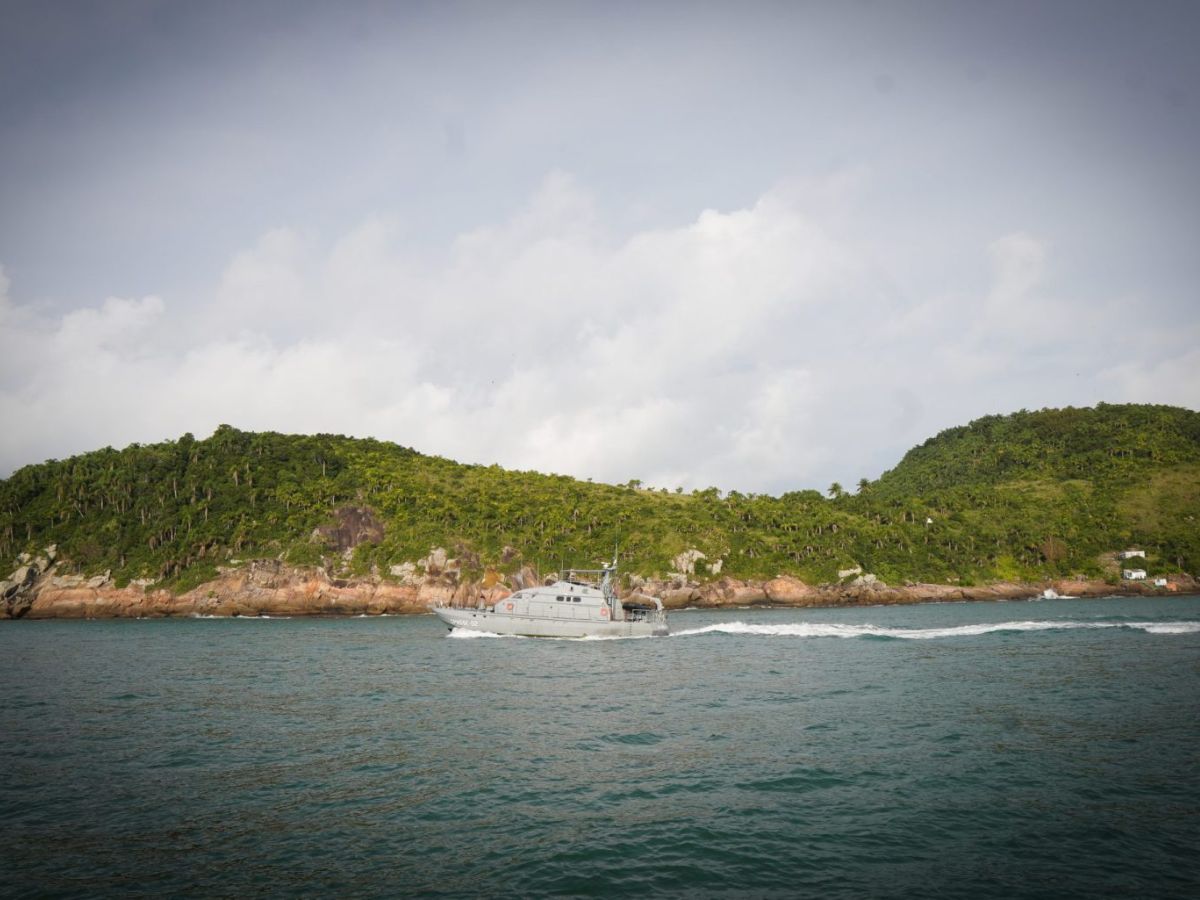

The Port Authority of Santos (APS) and the Brazilian Navy Sign Agreement to Install the VTMIS System on Moela Island, Increasing Security and Efficiency of the Port of Santos with Real-Time Maritime Monitoring and Sustainable Technology.
The Port Authority of Santos (APS) and the Brazilian Navy officially announced last Tuesday (3) a Technical Cooperation Agreement that marks an important milestone for security and technological innovation at the Port of Santos.
The commitment between the institutions authorizes the installation of one of the stations of the Vessel Traffic Management Information System (VTMIS) on Moela Island, in Guarujá — an area under the administration of the Navy.
The new system will allow real-time monitoring of maritime traffic, boosting port efficiency and combating illicit activities.
-
North Korean Fiasco: Launch of the Largest Warship Ends in Sinking

-
While giant ships still burn heavy fuel and the maritime sector races against climate targets, Maersk and Vale are starting to bet on ethanol as a new route to reduce emissions at sea.

-
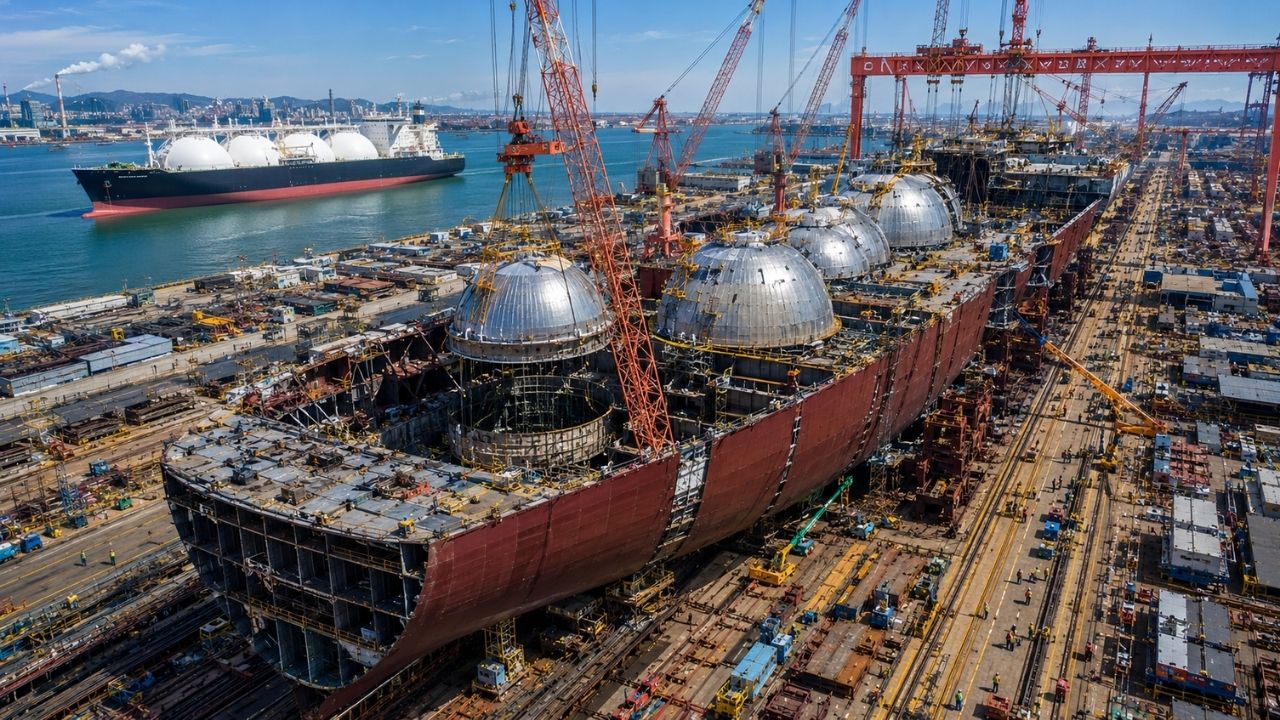
China begins construction of the world’s largest LNG ship, a 344-meter giant capable of supplying 4.7 million homes for a month, carrying 271,000 m³ of gas, and placing QatarEnergy in the largest naval order ever recorded in world history.
-
China is designing a container ship with a thorium nuclear reactor that will operate for 40 years without refueling, and the 25,000-container giant from Jiangnan Shipyard will cross oceans without emitting carbon in an industry that burns 300 million tons of fuel per year.



Cutting-Edge Technology for Monitoring and Security
The VTMIS (Vessel Traffic Management Information System) is a maritime intelligence platform that uses state-of-the-art sensors, such as radars, electro-optical cameras, weather stations, and communication systems, to track ship movements and sea conditions in real-time.
The station on Moela Island will be equipped with maritime radar, weather station, antennas, and high-definition cameras.
This will be one of four VTMIS bases, which will also be installed on top of the Serra do Mar, at Morro do Tejereba (Guarujá) and on Barnabé Island (Santos), ensuring complete coverage of the navigation channel and anchorage areas of the largest port in Latin America.
Cooperation Between APS and the Brazilian Navy Increases Efficiency
During the signing event of the agreement, held at the Naval Inspection Bridge of the APS, the president of the state agency, Anderson Pomini, emphasized the advancements brought by the implementation of the VTMIS.
“The VTMIS not only enhances security but creates a new era of integration among regulatory agencies. We will operate a situation room at APS headquarters, bringing together pilots, Federal Revenue, Federal Police, Port Authority, and other stakeholders, with data shared in real-time. This means efficiency in port operations and in combating illicit activities,” he stated.
For Vice Admiral Marco Antonio Ismael Trovão, commander of the 8th Naval District, the innovation strengthens the Brazilian Navy’s role:
“This technology will radically expand our maritime situational awareness, enabling a shared global view of the Port of Santos. The VTMIS is vital for the safety of waterway traffic and protection against threats such as drug trafficking.”
Sustainability is Also a Priority
The project aligns with APS’s environmental commitment.
The four VTMIS stations will operate on photovoltaic solar energy, reaffirming the Port Authority of Santos’ effort to consolidate sustainable and innovative practices.
In addition to enhancing security and optimizing port movements, the system will enable decision-making based on climatic and maritime traffic data, allowing predictive actions that make operations more effective and safe.
Anticipated Installation and Symbolism of Moela Island
The bidding process for the installation of the VTMIS will be launched in 2025, after years of expectation from the port community.
The official visit to Moela Island, which houses an essential lighthouse for navigation, reinforced the symbolic and strategic importance of the location for the future of maritime security in Brazil.
The president of the APS concluded: “The VTMIS materializes our vision of a safe, intelligent port integrated with national development. Its operation will place us among the most technologically advanced port complexes in the world.”
Source: APS