






 Portuguese
  Spanish


Excavations in Shiloh revealed monumental structures, religious items, and remains that reignite one of the greatest questions of biblical archaeology
An archaeological discovery in Shiloh, in the West Bank, has once again placed the Ark of the Covenant at the center of discussions among researchers and enthusiasts.
New ruins found at the ancient biblical site may be linked to the Tabernacle, a sanctuary that, according to the Old Testament, held the Ark for more than three centuries.
The information was released by archaeologists from the Associates for Biblical Research, known as ABR, and reported by the portal Daily Mail.
-
Havaianas Covers Brazilian Landmark with 4,500 Flip-Flops to Create Visual Spectacle of National Flag

-
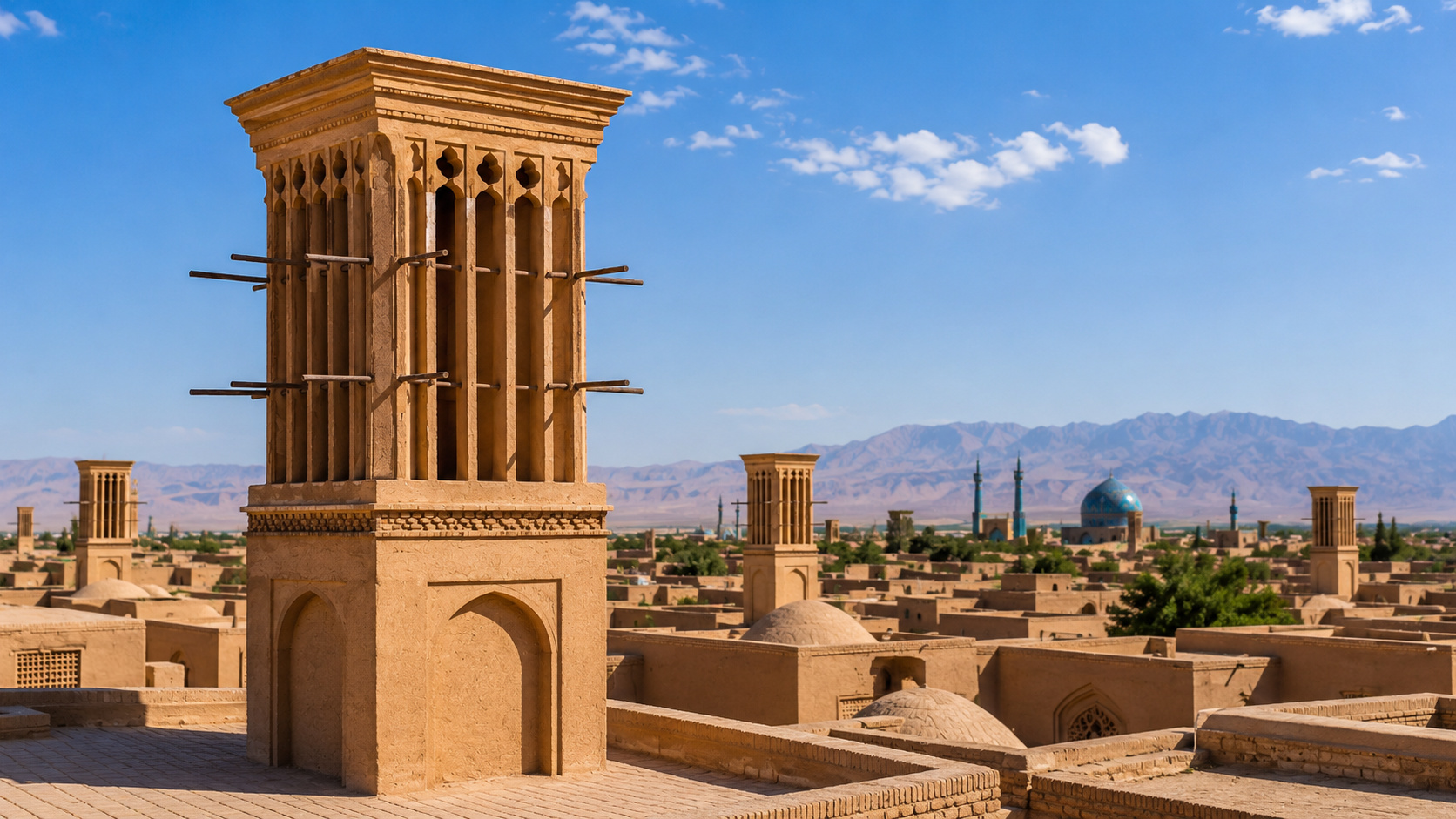
Ancient Wind Tower Cools Desert Homes Using Physics, Water, and Smart Architecture Without Electricity
-
Free Coffee for World Cup Losers? Mexican Café Offers “Losers’ Coffee” to Cheer Up Disappointed Fans with Humor
-
Elon Musk, the world’s first trillionaire, builds a SpaceX-led city in Texas with employee housing and a public beach along the rocket path to Mars.




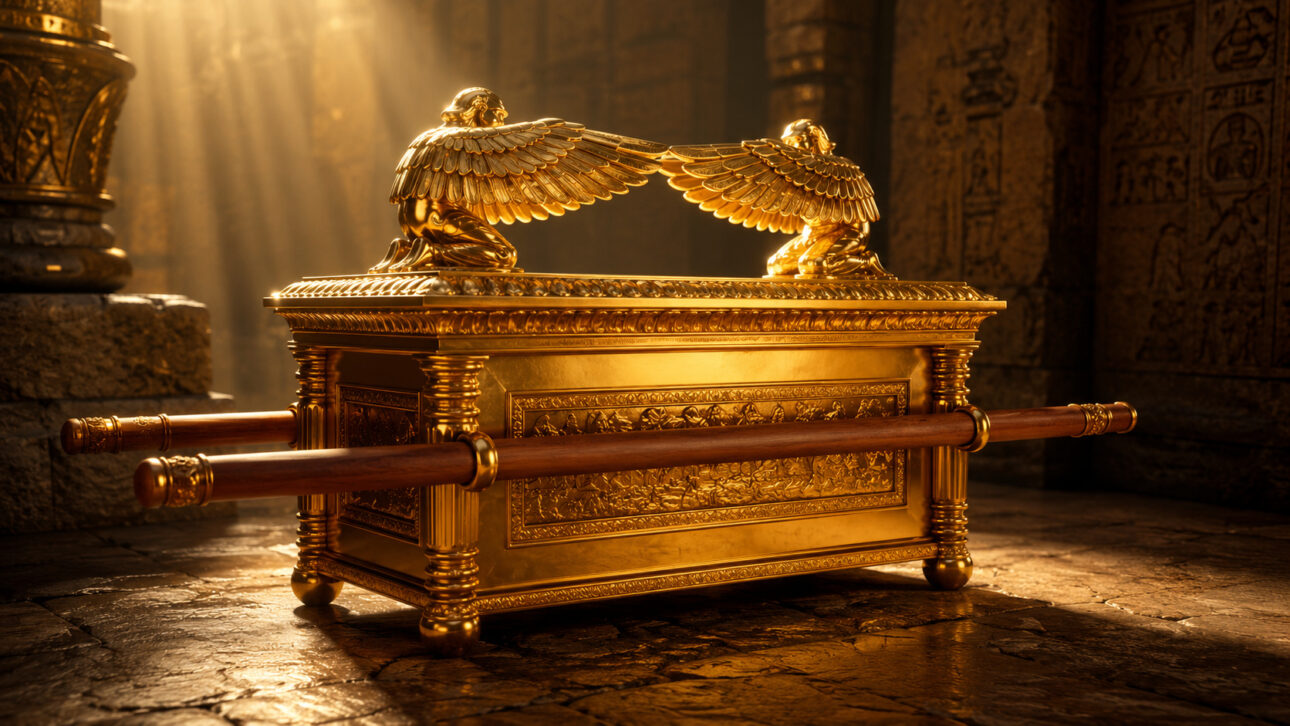
The Ark has not yet been found. Even so, the remains reinforce an old hypothesis: Shiloh may have housed a monumental religious structure before the destruction of Jerusalem by the Babylonians in 586 BC.
Archaeological investigation reveals monumental structure in Shiloh
The recent excavations revealed new walls of a large-scale construction.
According to archaeologist Scott Stripling, director of the excavations, the discovery of the south wall was especially important.
The identification allowed for a better reconstruction of the building’s full dimensions.
The structure is positioned in the east-west direction and has proportions similar to those described for the Tabernacle in the Scriptures.
Therefore, researchers consider that the site may have had a central religious function.
The team emphasizes, however, that the discovery does not yet definitively prove that the Tabernacle was there.
What would the Ark of the Covenant be?
According to the Old Testament, the Ark of the Covenant would have held the tablets of the Ten Commandments, given to Moses.
After that, it would have been placed inside the Tabernacle, a portable sanctuary used by the Israelites after the Exodus from Egypt.
According to some scholars, this relocation would have occurred around 1445 BC.
Later, the Ark mysteriously disappears from biblical accounts.
Its last mention appears before the destruction of Jerusalem by the Babylonians in 586 BC.
Religious objects strengthen researchers’ hypothesis
The walls were not the only significant finds in Shiloh.
The excavations also revealed items associated with worship practices.
Among the main findings are:
- altar horns;
- ceramic pomegranates;
- murex mollusk shells;
- unprecedented sections of the ancient city’s fortifications.
The murex shells attracted attention because they were used in the production of blue dye.
This pigment appears in biblical descriptions of priestly garments.
The same team had already identified, the previous year, a monumental building with dimensions compatible with the sanctuary described in the Scriptures.
Shiloh had already revealed more than 100,000 animal bones
The new discoveries complement previous findings made at the same archaeological site.
In Shiloh, excavations have already revealed more than 100,000 animal bones, mainly from sheep, goats, and cattle.
A detail caught the researchers’ attention.
Many of these bones belonged to the right side of the animals.
This data is considered relevant because the book of Leviticus mentions parts of the right side in certain priestly offerings.
Mystery of the Ark of the Covenant remains unanswered
Despite the progress of the excavations, the whereabouts of the Ark of the Covenant remain unknown.
So far, no evidence confirms that the object has been located.
Even so, the findings in Shiloh increase interest in the religious role of the ancient city.
For the researchers at ABR, the walls, the cult objects, and the traces of sacrifices make the Tabernacle hypothesis more consistent.
The interpretation remains under analysis.
New excavations in Shiloh may indicate whether archaeologists are indeed closer to understanding one of the greatest mysteries of biblical tradition.
Do you believe that Shiloh could really have housed the Tabernacle associated with the Ark of the Covenant? Leave your opinion!


