According to NSC Total, Matinhos has initiated discussions to resume the cable car on Morro do Escalvado, an area of the Saint-Hilaire/Lange National Park managed by ICMBio. Without a defined timeline, the proposal accompanies the Guaratuba bridge, beach widening, road revitalization, and duplication of PR-412 on the Paraná coast in a regional tourism cycle.
The Matinhos cable car, on the coast of Paraná, has returned to the city’s radar after decades out of operation. According to a publication by NSC Total on June 26, 2026, the municipality has initiated contacts with the Chico Mendes Institute for Biodiversity Conservation, ICMBio, to evaluate the resumption of the tourist service.
The proposal targets Morro do Escalvado, an area within the Saint-Hilaire/Lange National Park, a conservation unit managed by ICMBio. As the discussions are still in the initial phase, the source informs that there is no scheduled date for the equipment to resume operations.
Matinhos wants to recover an old tourist spot
Matinhos had the cable car as one of its attractions until the 1990s. The resumption now appears as an attempt to recover a tourist facility linked to the city’s memory, but within a different urban and environmental context.
-
Brazilian Weight Loss Pens by Eurofarma Launch Nationwide at More Affordable Prices Than Competitors

-
In 2005, a 21-year-old British student raised over a million dollars by selling a million pixels on a webpage for one dollar each.

-
Adopted Cat’s Unusual Paws Tie Guinness World Record Unbroken Since 2002

-
Philosophy Professor’s DIY Phone Grip Solution Becomes Multi-Million Selling Product and Company


The city, which has 42,000 inhabitants according to an IBGE estimate cited by NSC Total, has started discussing the return of the facility amid a cycle of investments on the Paraná coast. The proposal is not being presented as an isolated project, but as part of a larger strategy for tourist attraction.
The intended point is Morro do Escalvado, an area with visual and tourist potential, but also with environmental restrictions due to being within a federal conservation unit. Therefore, the city needs to engage in dialogue with ICMBio before proceeding.
This stage is crucial because the project involves tourism, infrastructure, and environmental preservation. The source does not provide information on the concession model, estimated cost, layout, cabin capacity, or implementation schedule.
ICMBio enters the discussion because of the conservation unit
The discussions involve ICMBio because Morro do Escalvado is located in the Saint-Hilaire/Lange National Park. In protected areas, tourism projects must consider environmental rules, public use, biodiversity conservation, and intervention limits.
This does not mean that the cable car is approved or discarded. It means that the project depends on institutional analysis before moving beyond initial discussions.
The return of a tourist facility in an environmental area requires more than economic interest. It is necessary to balance visitation, safety, visual impact, flow of people, operation, and protection of the conservation unit.
This point makes the agenda more complex. The cable car can increase visitation and create a new attraction for Matinhos, but it will need to be designed in a way that complies with the national park’s rules and the managing body’s technical criteria.
Project emerges after works that changed the coast
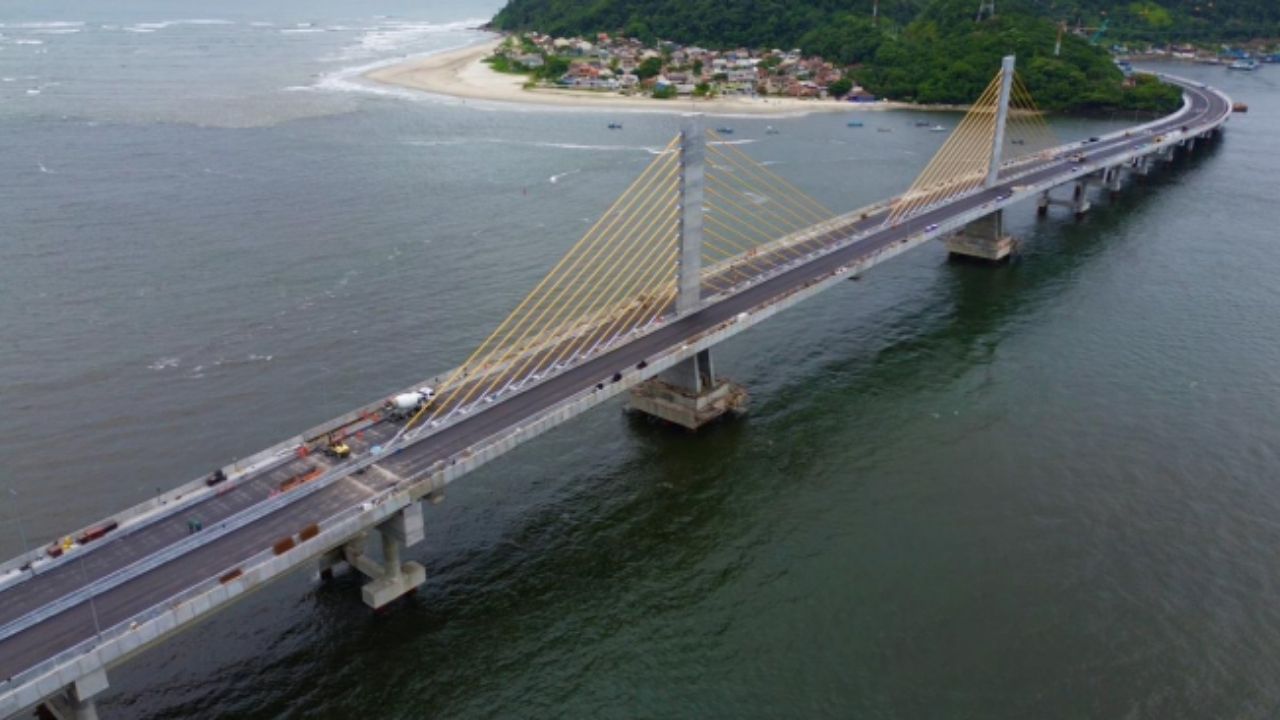
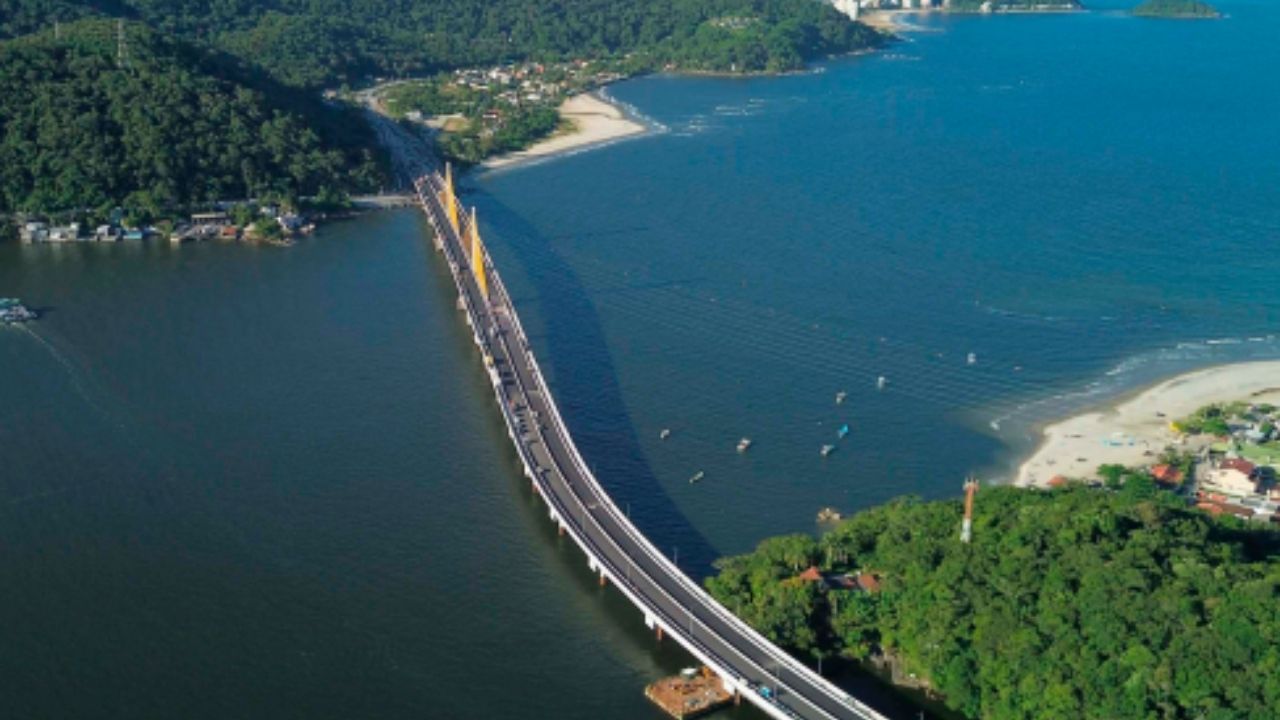
The initiative occurs at a time of transformation on the coast of Paraná. NSC Total cites the inauguration of the Guaratuba Bridge as one of the investments motivating the pursuit of resuming the facility.
Besides the bridge, Matinhos has undergone beach widening, road revitalization, and is following the duplication of PR-412, which is underway. These works reinforce the region’s repositioning as a tourist destination with more robust infrastructure.
The cable car is part of this package as a possible complementary attraction. While the bridge, beach, and roads improve access and circulation, a tourist facility can create permanence, visitation, and a new reason for travel.
Morro do Escalvado may become a visitation hub
The Escalvado Hill appears as the intended location for the cable car’s revival. The choice carries tourist weight because coastal hills usually offer panoramic views, journey experiences, and visual connection with the landscape.
However, any tourist use in this area depends on planning. The location is within a national park, which requires evaluation of access, trails, structures, visitor flow, operation, and environmental impact.
The attraction would not only be the cable transport but the experience of reaching an elevated point in the city. This type of equipment often functions as a postcard when it combines landscape, safety, and integration with other routes.
For Matinhos, the challenge will be to transform the old tourist spot into an updated attraction. This includes considering mobility, ticketing, accessibility, maintenance, operation, integration with local commerce, and environmental control.
City Hall talks about tourism, employment, and income
The Secretary of Tourism, Economic Development, and Culture of Matinhos, Kássia Novochadlo, told NSC Total that the goal with the new cable car is to expand the city’s tourism potential, generate employment and income, and offer a new leisure option.
The statement positions the project as an instrument of local economic development. The proposal combines historical recovery, modernization, and respect for the environment, according to the secretary.
This framing shows that the city hall seeks to transform tourist memory into an economic asset. The old cable car does not appear only as a memory of the 1990s but as a possible piece of equipment for a new phase of the Paraná coast.
Even so, there is still no defined timeline. The report itself informs that the discussions are at the beginning, which keeps the revival in a preliminary phase and subject to studies, authorizations, and technical definitions.
Revival will depend on technical and environmental feasibility
The return of the cable car requires more than a political decision. Such equipment involves engineering, licensing, operation, safety, maintenance, accessibility, and analysis of the territory where it will be installed.
Since the intended location is in a conservation unit, environmental feasibility takes on a central role. The project would need to demonstrate how it would function without compromising the objectives of the Saint-Hilaire/Lange National Park.
The current phase is of negotiation, not of initiated work. This is important to avoid the mistaken perception that the equipment already has a return date or defined structure.
Among the points not yet informed are transport capacity, type of cabin, route length, operation model, necessary investment, source of resources, and form of management of the tourist service.
Old attraction may gain a new urban function
When it operated until the 1990s, the cable car was part of Matinhos’ tourist offerings in another era of the city. Now, the discussion takes place in a municipality more integrated with regional projects and a coastal qualification agenda.
The difference is that the revival would need to meet current standards of safety, sustainability, operation, and visitor experience. It’s not just about reviving an old attraction, but updating its role within local tourism.
In beach destinations, complementary facilities help reduce the exclusive reliance on the sand strip. Lookouts, parks, tours, and nature trails can better distribute tourist flow and extend the length of stay.
In this sense, Morro do Escalvado could serve as a connection point between landscape, memory, and organized visitation. But this possibility will depend on authorizations and studies that have not yet been publicly detailed.
Paraná Coast Tries to Expand Tourist Offerings
The cable car proposal appears on a coast that has received infrastructure works and seeks to enhance its attractiveness. Matinhos, Guaratuba, and the surrounding areas are undergoing changes that could alter circulation, access, and tourism dynamics in the coming years.
The Guaratuba Bridge is one of the most symbolic projects of this new regional moment. Meanwhile, the widening of Matinhos beach has modified the shoreline and reinforced the discussion about tourism, urban landscape, and the use of public spaces.
In this scenario, a cable car can function as a visually appealing facility. It creates a strong image, facilitates promotion, and can become a reference for visitors, provided it is environmentally and financially viable.
Caution, however, is necessary. Without a final project disclosed, what exists so far is an intention under analysis. The next relevant step will be defining paths with ICMBio and presenting more concrete studies.
What Is Still Needed for the Project to Advance
The source does not inform when the cable car might resume operation. It also does not detail estimated investment, type of partnership, operating company, executive project, or licensing stages.
These absences indicate that the revival is still in its early stages. The city hall has opened contact with ICMBio, but turning the idea into a project will depend on approval, planning, and compatibility with national park regulations.
The main confirmed information is the intention to revive the facility on Morro do Escalvado. From this, questions arise that will determine the project’s future: how much it will cost, who will operate it, what the environmental impact will be, and how the service will be integrated into Matinhos tourism.
Do you think the cable car could become a new major attraction for Matinhos, or should the priority be to first consolidate the works already done on the coast? Leave your opinion in the comments and tell us if you would visit Morro do Escalvado with this tourist equipment.