






 Portuguese
  Spanish


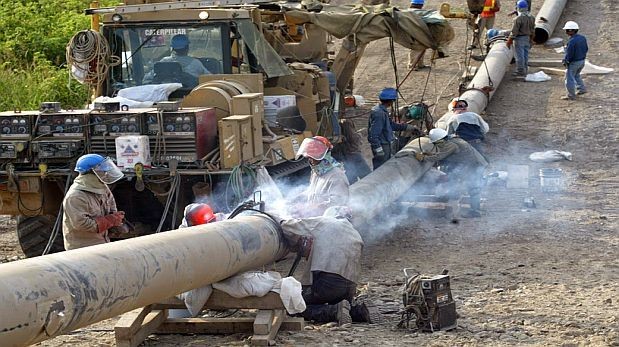

Currently, the Vaca Muerta producing region is the largest Gas producer in Argentina and could drive millions in the country’s economy
Argentina’s efforts to boost its natural gas production and supply are progressing through a new pipeline (1200 kms or 746 miles) and transportation and auction projects, moves that should balance the country’s production and demand. Pipeline construction contracts worth up to US $ 1.8 billion for transporting natural gas from Argentina’s largest producing region, Vaca Muerta, to Buenos Aires, may be awarded by September.
The two phases of the pipeline could move up to 40 million cubic meters of production per day, more than half of the current gas production from Vaca Muerta. The Vaca Muerta shale play will require future investments of between US $ 5 billion and US $ 10 billion per year, from US $ 4.3 billion now to accelerate its growth.
Argentina also plans monthly auctions to offer domestic gas and will launch in May a separate four-year gas auction to provide winter gas at prices indexed to imported liquefied natural gas (LNG).
-
Half of Brazil’s Federal Public Works Projects Stalled: Audit Reveals 11,469 Abandoned Constructions and Billions Spent Without Delivering Schools, Hospitals, or Roads
-
End of an Era: Major Company Shuts Down Factory After 64 Years, Leaving Over 150 Unemployed; Facility Produced 85,000 Tons Annually of Essential Tire Material
-
End of an Era: Major Company Shuts Down Factory After 64 Years, Leaving Over 150 Unemployed; Facility Produced 85,000 Tons Annually of Essential Tire Material
-
End of an Era: Major Company Shuts Down Factory After 64 Years, Leaving Over 150 Unemployed; Facility Produced 85,000 Tons Annually of Essential Tire Material
Argentina is a net gas producer, with most of the production coming from Vaca Muerta, one of the world’s largest reserves of oil and shale gas.
The nation now imports natural gas through a pipeline from Bolivia under a recently renegotiated contract to establish seasonal prices and supply, and purchases liquefied natural gas (LNG) to cover its needs during the winter.
Argentina has also recently taken advantage of the growth in domestic gas production to resume gas exports to Chile and Brazil and is working to make exports routine.


