






 Portuguese
  Spanish


Discover Olympus Mons, a colossal volcano located on Mars that reaches 27 km in height and hides mysteries about its prolonged geological activity.
To unravel the mysteries of space geological evolution, scientists from NASA and international universities are investigating Olympus Mons, a colossal volcano situated near the equator of Mars that reaches an impressive 27 kilometers in altitude.
Measuring more than 600 kilometers in width and surpassing Mount Everest by three times its size, the structure was shaped over billions of years through a continuous flow of magma under a completely immobile crust.
The confirmation of its dimensions and its possible volcanic activity to this day was obtained by the scientific community through analyses of Martian meteorites and historical records from the Mariner 9 probe, revealing a growth system favored by the low gravity of the red planet.
-
Alaska’s 1,287 km Pipeline Built on 78,000 Metal Supports to Prevent Thawing, Survives Earthquakes and Remote Forests, Highlighting the Challenge of Hot Oil in a Harsh Environment

-
Brazilian Student Innovates Sustainable Ceramic Tableware Using Rice Husks and Recycled Glass, Achieving Up to 60% Waste Composition and Comparable Performance to Conventional Materials
-
AI-generated fake doctors deceive elderly in Brazil, health videos go viral with nearly 300,000 views, turning disease fear into a global audience and money machine.

-
Innovative Thermal Battery in Brazil Can Store Renewable Energy for Weeks, Offering Cheap Electricity and Winter Heating




The history of mountain observations
The scientific confirmation that the structure is a colossal volcano occurred in 1971, when the Mariner 9 space probe, operated by NASA, reached the orbit of Mars.
The probe’s systems recorded historical images of the elevated peaks projecting clearly above the severe dust storms that covered the rest of the red planet.
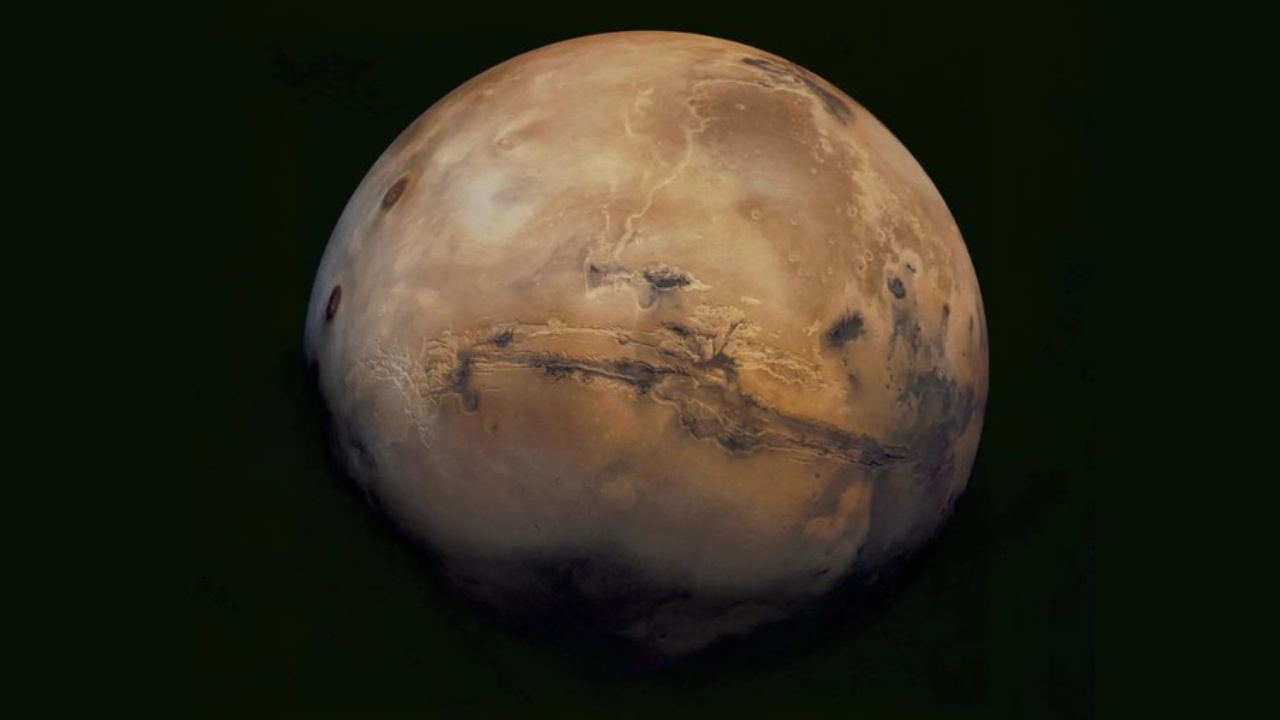
Long before that, in the late 19th century, Italian astronomer Giovanni Schiaparelli had already observed the formation for the first time from Earth, using a simple optical telescope equipped with a lens only 22 centimeters in diameter.
The secret of the immobility of the Martian crust
The extraordinary growth of this enormous magma reservoir over billions of years is directly linked to how Mars’ internal structure functions. Unlike Earth, the red planet does not have constantly shifting tectonic plates, a characteristic that has completely altered its geological evolution.
According to Jacob Bleacher, while Earth’s crust continuously moves over the magma, redistributing volcanic activity, on Mars the outer layer remains practically immobile. As a result, lava repeatedly ascends through the same point on the surface, allowing a single volcano to grow for extremely long periods.
Another decisive factor was Martian gravity, significantly weaker than Earth’s. This condition reduced the weight exerted on the volcanic structure, allowing the mountain to reach gigantic dimensions without collapsing under its own mass.
The enigma of prolonged volcanism on the red planet
Modern investigations based on space rocks indicate that this giant — which far surpasses the 8.8 kilometers of Mount Everest — may be active to this day.
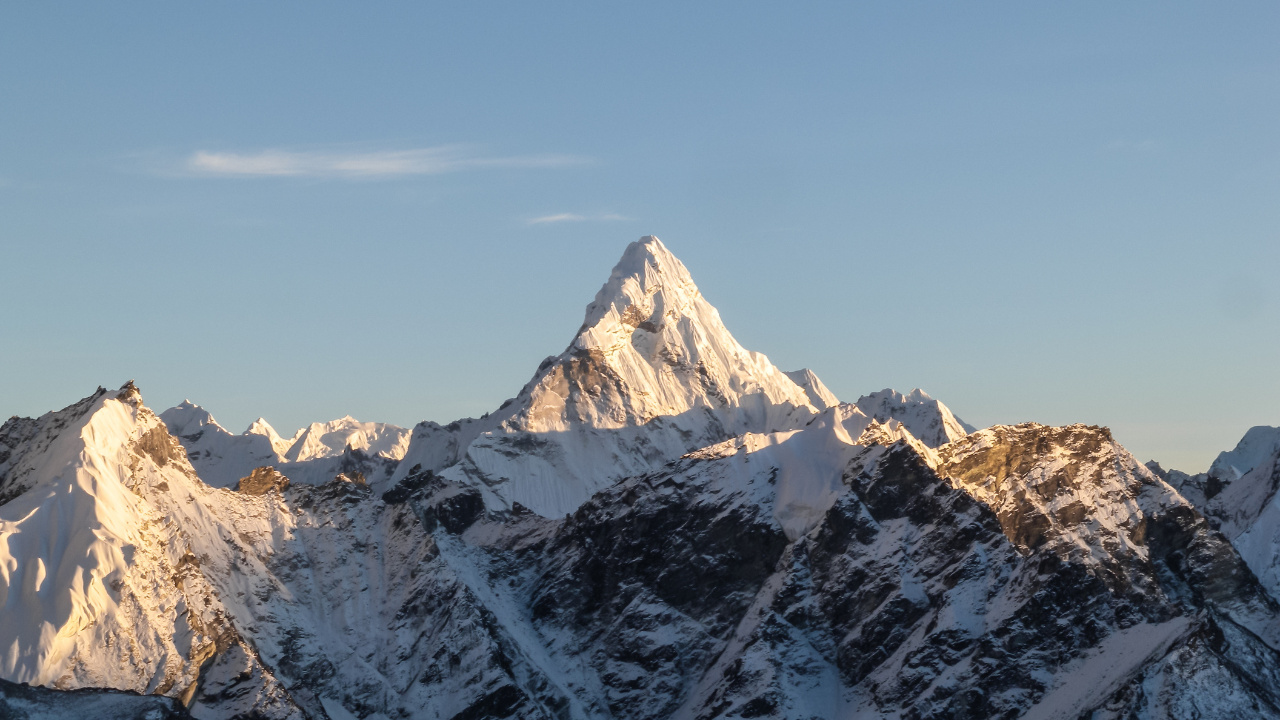
Scientists consider the volcano active because the most recent layer of solidified lava in the region is believed to have formed about 25 million years ago, a time considered short compared to the age of the planets.
Meteorite analyses provide impressive data on the longevity of this thermal system:
- Four gigantic eruptions: At least four eruptive events have been identified over a 90 million year interval;
- Unmatched duration: This operational cycle surpasses Earth’s volcanoes, which usually remain active for only a few million years;
- 2 billion-year magma flow: Data from a 2.4 billion-year-old meteorite confirm that lava moved towards the same surface location for two billion years.
Regarding this unprecedented thermal stability in planetary history, Professor of Physics and Astronomy Marc Caffee from Purdue University highlighted:
“This means there was a kind of continuous flow of magma in the same location on the surface of Mars for 2 billion years. We have nothing like it on Earth, where something remains so stable for 2 billion years in a specific location.”
A gentle slope and the illusion of the invisible mountain
Despite having colossal proportions near the equator, in the Tharsis Montes region, Olympus Mons would cause an optical illusion to a hiker. The ascent of the volcano is so gentle that the slope of the terrain would not be perceived by someone walking on it, resembling more a large ramp than a steep mountain.
This large horizontal extension interacts curiously with the planet’s physics. The summit is located at such a vast distance from the edges of the volcano that the very curvature of Mars prevents the top from being seen by those on the sides of the structure. Thus, it becomes impossible to contemplate the entire mountain while walking on it.
The true barrier and the summit depressions
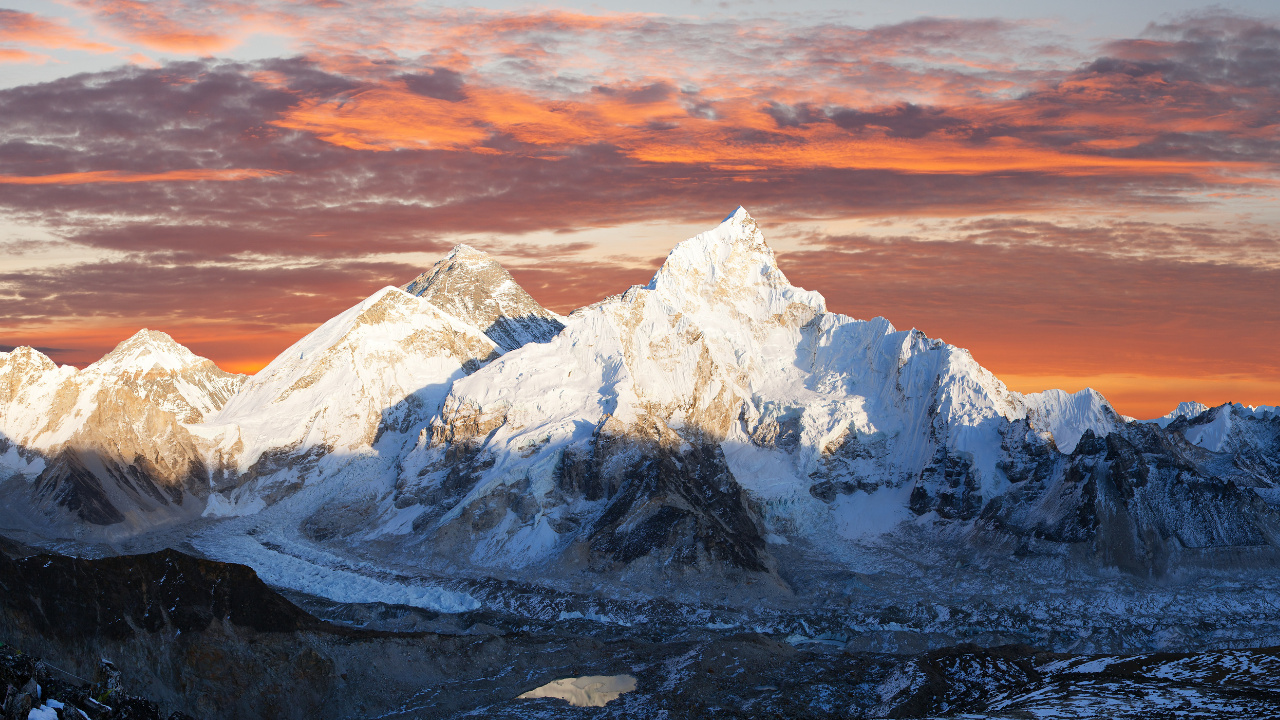
For an explorer on the surface, the part that would truly impress in the terrain would be the edges of Olympus Mons.
The margins of the structure are formed by a gigantic wall of vertical rocks that, in certain sectors, reaches several kilometers in height.
A person would first see this immense barrier and, only after surpassing it, begin to ascend the gentle terrain.
Upon reaching the top of the mountain, the scenery would change again, revealing a group of large geological depressions about 80 kilometers wide, which were carved into the dome by ancient and violent eruptions.
Source: último segundo


