Portuguese
  Spanish



Understand The Technology That Promises To Revolutionize The Sector And See How It Already Works In Other Countries
Imagine if your cellphone charger only worked during the day, and at night, just when you need it most, it would be useless. Absurd, right? Well, that’s exactly what happens with the Brazilian electrical system when we talk about solar and wind energy. These sources are clean, renewable, and highly welcome, but there’s a catch: they don’t always generate energy when we need it most. Learn more about how TO STORE ENERGY.
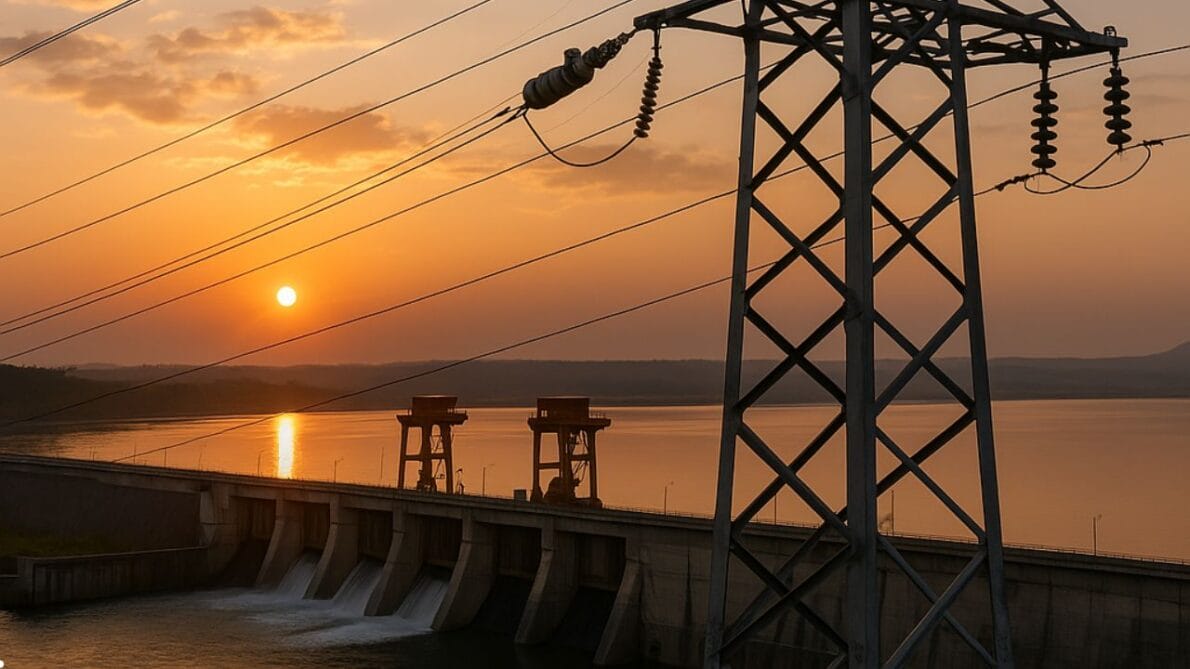
The solution to this energy pickle already exists, is used worldwide, and is known as pumped-storage hydroelectricity. Yes, the secret to STORING ENERGY in Brazil is already ready, tested, and approved. We just need to get it up and running here.
STORING ENERGY: The Brazilian Energy Impasse Explained Simply
For decades, Brazil has almost blindly relied on traditional hydropower plants. They were the heart of our energy matrix. But then came the era of solar energy, wind energy, and a diversification that, while great, brought a new challenge: these sources are intermittent.
-
Fired during apartheid and with a little borrowed money, an electrician started with a borrowed truck and transformed electrical services into a group connected to energy, real estate, and infrastructure in South Africa.

-
Wood has ceased to be just a construction material in Yale research and has become insulation for electrical transformers that face intense heat, aging, and increasing pressure from the renewable energy-powered grid.
-
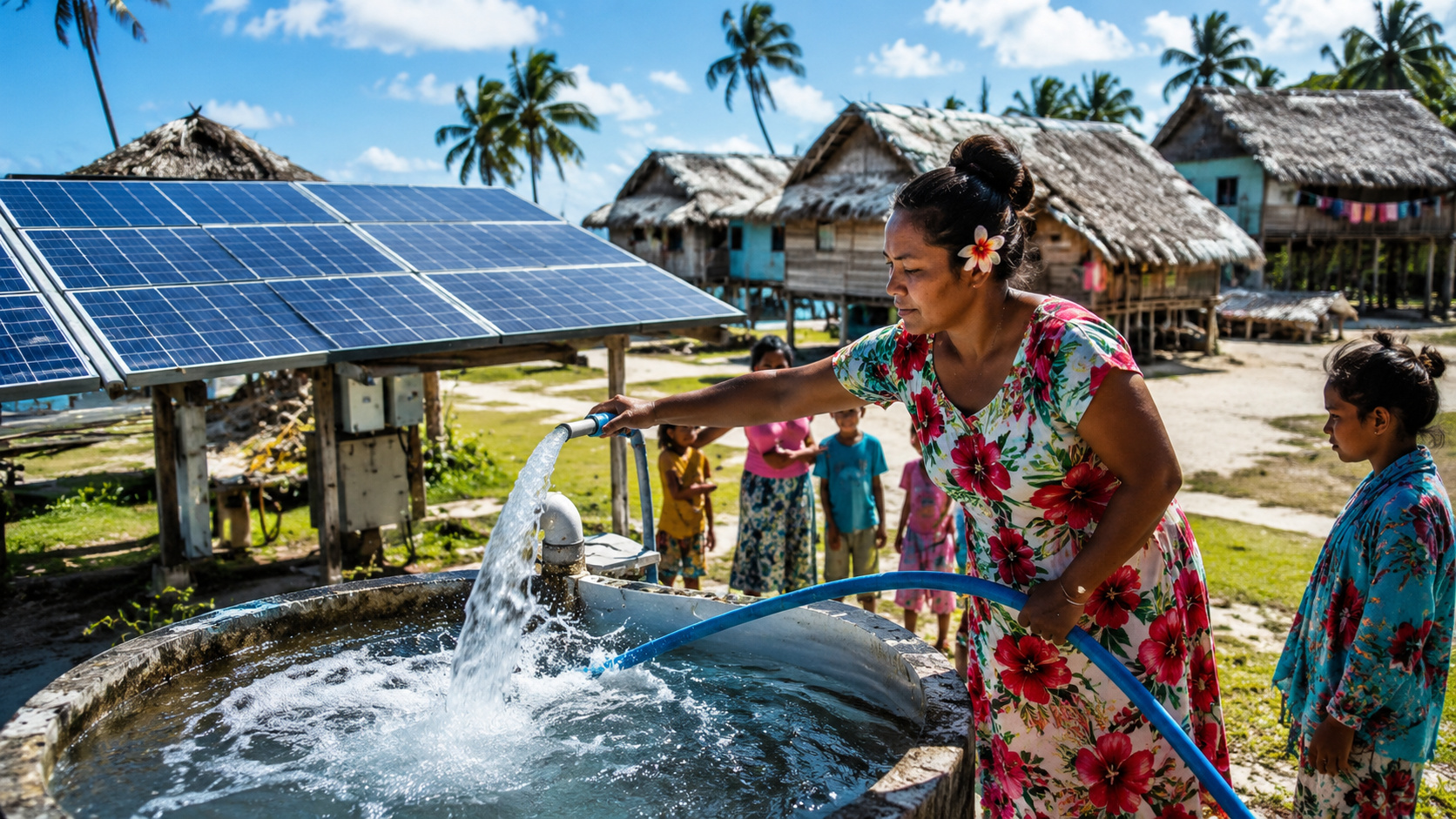
More than 1,000 residents of a remote island in Kiribati now have clean water and electricity with solar systems operated by the community itself.
-
Ceará brings together 7 giants and R$ 66 billion to transform Pecém into the largest green hydrogen hub in Brazil, with final decisions expected by the end of 2026.

When the sun sets, solar energy disappears. The problem is that this is exactly when the demand for energy surges in the well-known “peak hours” in the early evening. Without sunlight, without wind, and with consumption soaring, the system has to resort to expensive emergency sources to meet the demand. That’s where the risk of instability and even blackouts lies.
The Technology To STORE ENERGY That Already Works In Several Countries
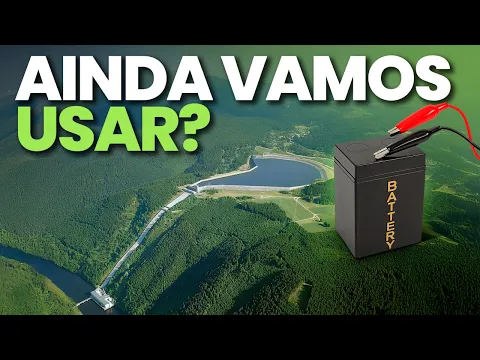

Pumped-storage hydropower plants are basically large water batteries. When there’s an excess of electricity, usually at night, they use that energy to pump water from a lower reservoir to an upper one. At that moment, they are “charging the battery.”
Later, when demand rises and the system needs reinforcement, that water flows back down, spins turbines, and generates electricity for the grid. All of this is done with high precision and flexibility.
And no, they are not a new invention. Countries like China, Japan, and the United States already use this technology to stabilize their grids and ensure that renewable energy actually works, even outside of “business hours.”
Opportunities, Obstacles, And Why We Still Don’t Have Such A Plant In Brazil
If the idea is so good, why hasn’t Brazil built one yet? The answer, unfortunately, has several sides. The first is regulatory: we still don’t have clear legislation that recognizes and enables these plants. Despite progress in public consultations by ANEEL, the scenario remains confusing.
The second challenge is financial. These plants require a high initial investment but are compensated later by the stability gained in the grid and savings from other more expensive sources. And the third obstacle is technical: finding the ideal location requires planning, engineering, and infrastructure. Still, the Energy Research Company (EPE) has already mapped dozens of potential locations in Brazil.
Finally, we have the socio-environmental challenge. Like any infrastructure project, building these plants can have impacts. But this leads us to the choice of the right model, which brings us to the next point.
Three Types Of Pumped-Storage Plants And How They Impact The Environment Less
There are three main arrangements for pumped-storage hydroelectric plants. The closed-loop cycle uses two artificial reservoirs, with no connection to rivers, and it causes the least environmental impact. It’s ideal for areas where nature should be preserved as much as possible.
The open-loop cycle, on the other hand, uses natural rivers or lakes. It’s cheaper but requires strict water management and impact analysis. The semi-open cycle mixes the two, using one artificial and one natural reservoir, seeking the best balance between technical feasibility and environmental care.
Each model has its pros and cons. The important thing is that they work and work well, as long as they are implemented responsibly.
And Now, Brazil? The Potential Is There. We Need The Courage To Take It Off The Paper
Brazil has the climate, geography, and a growing demand for electricity. It also has an urgent need to STORE ENERGY efficiently. The solution is ready. We just lack political will, future vision, and a regulatory framework that encourages investment in this type of project.
The good news is that the first steps are already being taken. Studies are underway, the sector is discussing the topic, and the public is starting to understand the importance of this technology.
In the end, STORING ENERGY is more than just a technical issue. It is an essential step to ensure the future of ENERGY in Brazil, especially if we want to continue growing sustainably while making the most of what renewable sources have to offer.
It may not seem like it, but we are talking about something that changes the game: from an unstable and expensive network to a modern, safe, and efficient system. The question is: will Brazil seize this opportunity or continue charging the cellphone only when the sun is shining?
Source: E4 Renewable Energies