






 Portuguese
  Spanish


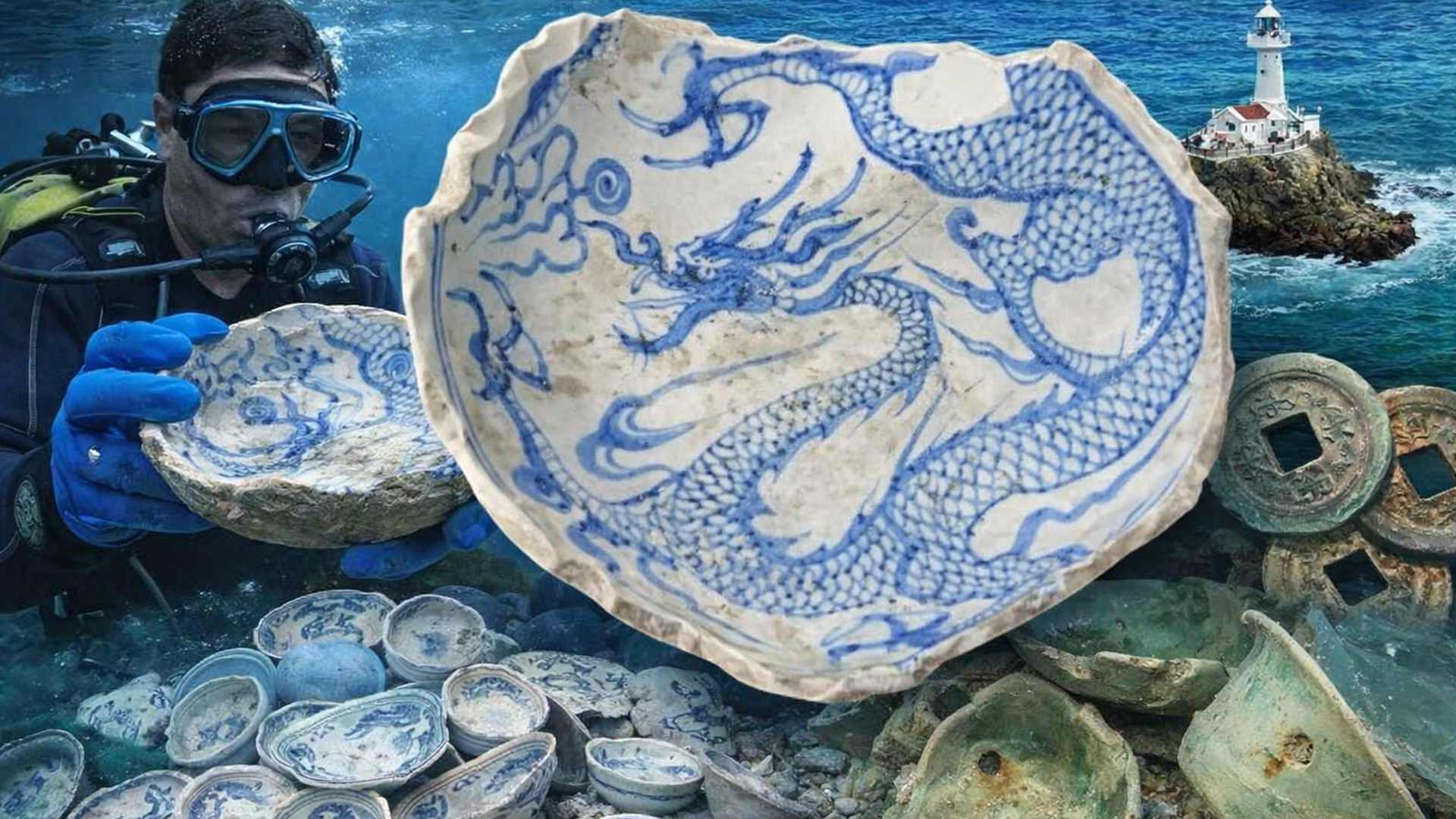


Discovery of Sunken Treasure Near Pedra Branca Uncovers 3.5 Tons of 14th Century Ceramics, Including 2,350 Rare Porcelains from the Yuan Dynasty, Reinforcing Evidence That Temasek Was an Active Center in Asian Maritime Trade Long Before 1819
Marine archaeologists recovered 3.5 tons of 14th century ceramics from the so-called Temasek Wreck, the first ancient shipwreck identified in Singapore, revealing a sunken treasure with 2,350 pieces of blue and white porcelain from the Yuan Dynasty and new evidence about trade before 1819.
Sunken Treasure Reveals Record Cargo from the Yuan Dynasty
The excavation was led by Dr. Michael Flecker of HeritageSG and the ISEAS-Yusof Ishak Institute. The site is located near Pedra Branca, a rocky area at the eastern entrance of the Singapore Strait. The operation took place in stages between 2016 and 2019.
Among the debris, more than 2,350 rare blue and white porcelain pieces were identified, produced during the Yuan Dynasty, which ruled from 1271 to 1368. This is the largest quantity ever recorded of this type of porcelain in a documented shipwreck worldwide.
-
In the Caucasus Mountains, a Community Preserves a Language So Rare Few Outsiders Can Understand It

-
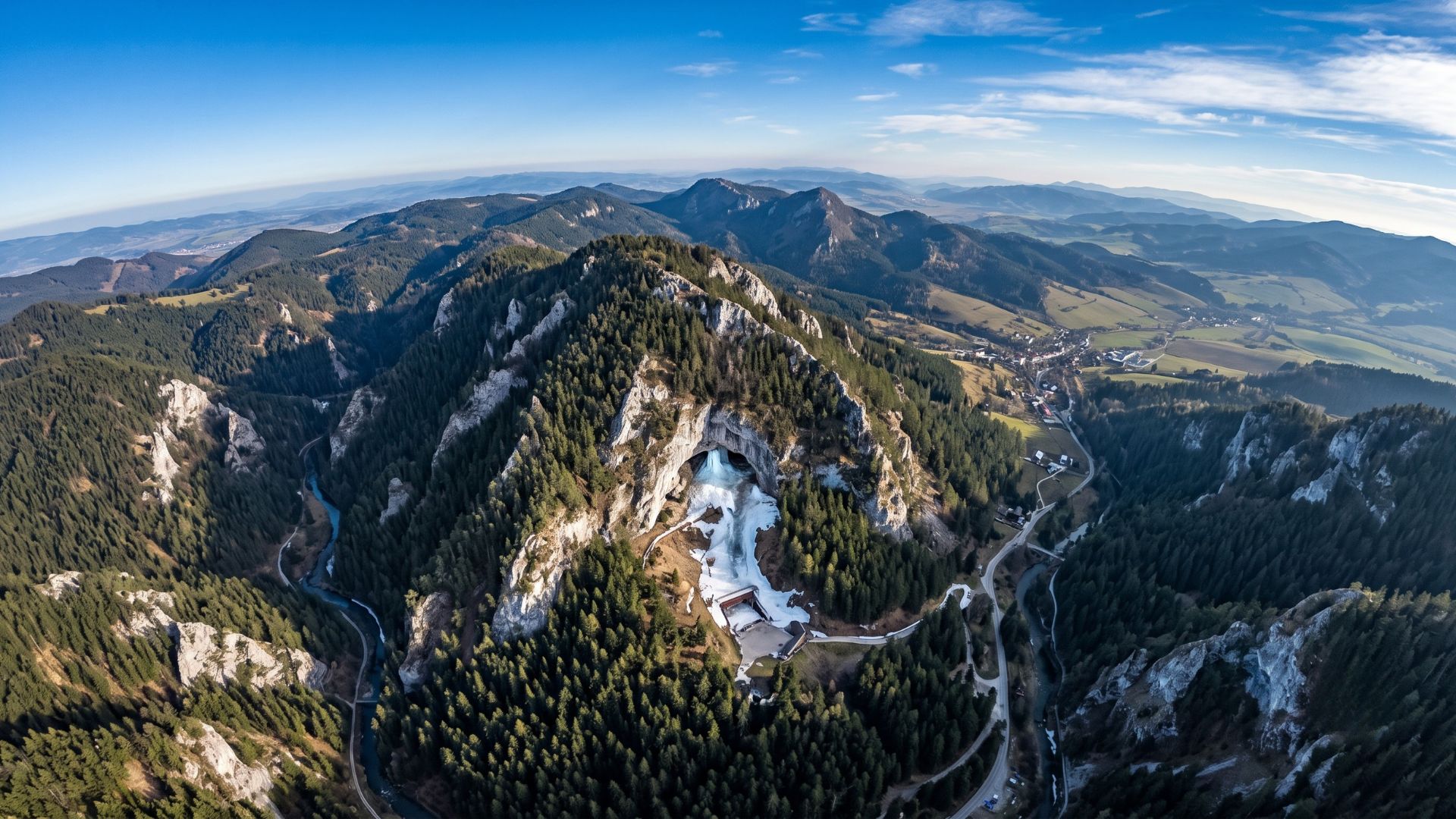
Slovakia’s Ice Cave Holds Over 110,000 m³ of Frozen Wonders, Boasts Walls Up to 27 Meters Thick, and Was Among the First Electrified Caves Globally

-
Street Cleaner Accidentally Receives $200,000 Transfer, Returns Unexpected Fortune to Rightful Owner
-
Australian Space Agency Investigates Six Mysterious Metal Spheres Found on Queensland Beach, Isolating Area Over Possible Space Debris Risk




Although this style became common later, by the mid-14th century it was considered a luxury item. The scale of the discovery challenges the view that ancient Singapore was merely a fishing village.
Commercial Link Between Quanzhou and Temasek
The study indicates that the ship was likely a Chinese junk that departed from the port of Quanzhou between 1340 and 1352. The composition of the cargo supports this hypothesis, particularly due to the profile of the items transported.
The wreck did not contain large 50-centimeter plates, popular in the Middle East and India. Instead, smaller plates and bowls measuring less than 35 centimeters predominated, aligning with regional tastes and needs.
These objects correspond to artifacts already found in terrestrial sites such as Fort Canning Park and the Singapore River. The correlation suggests that Temasek was the final destination of the vessel.
The goods seem to have been intended for local elites, rather than for trade further west. This pattern reinforces the interpretation of an active port connecting southern China to Southeast Asia.
Diversity of Ceramics in the Sunken Treasure
In addition to the blue and white porcelains, the site revealed a wide variety of other ceramics. Longquan celadon accounted for almost half of the total recovered.
Examples of qingbai and shufu, known as the Privy Council, produced in Jingdezhen, were also found. The collection additionally includes white ceramics from Dehua and green ceramics from Fujian.
According to Dr. Flecker, the discovery is transformative for recording the movement of goods through a strategic port. He stated that the site documents trade connections between southern China and Southeast Asia.
Preservation and Conservation of Artifacts
Although the porcelain has withstood the test of time, the wooden hull of the vessel did not survive. The structure was likely eroded over the centuries by marine life.
The recovery faced operational challenges, including strong currents and the depth of the site. Still, the team managed to gradually retrieve the material.
The National Heritage Board, NHB, currently oversees the desalination and conservation process. Complete removal of salt is necessary to prevent the ceramic glaze from cracking.
After the completion of this process, the pieces are expected to be exhibited at Singapore’s national museums. The aim is to provide the public with an authentic glimpse of 700 years of the city-state’s history.
The study on the Temasek Wreck was published in the Journal of International Ceramic Studies, consolidating the scientific relevance of the finding and formally documenting the recovered collection.


