Portuguese
  Spanish



Location Served As The Production Of A Rare And Valuable Dye Used By Elites And Royalty Of The Time, With Techniques Preserved For Centuries
An unprecedented archaeological discovery revealed an ancient dye factory that operated for about 500 years in Israel. Located in the village of Tel Shiqmona, on the Carmel coast, the facility functioned between 1100 and 600 B.C. and produced one of the most symbolic colors of antiquity: purple, associated with power, spirituality, and wealth.
Large-Scale Production
According to the study published in the scientific journal PLOS, this is the first physical evidence of an industrial purple dye factory in the world.
Researchers from Tel Aviv University and the University of Chicago coordinated the excavations at the site, which revealed an unprecedented number of artifacts related to dye production.
-
11-Year-Old Invents Socks with Hidden Pockets, Secures Shark Tank Deal, and Donates Pairs to Homeless Students

-
Six-Year-Old Brazilian Prodigy with IQ of 162 Joins Mensa, Surpassing Scores of Einstein and Hawking

-
Iowa Teen Turns Farming Simulator Success into Reality, Buys 250-Acre Farm for $1.8 Million with 1.3 Million YouTube Subscribers
-
Santos Transforms Brazil’s Largest Stilt Slum with $5.7 Million Project, Replacing Shacks with Elevated Homes and Infrastructure





The process began with the collection of mollusks. Their shells were crushed, releasing a greenish raw material that, upon contact with air, turned purple. From there, fibers were dyed in tanks that could hold up to 350 liters of liquid.
The structure of the factory confirms that production was carried out on a large scale and with methods quite advanced for the time.
Artifacts Reveal Operation Details
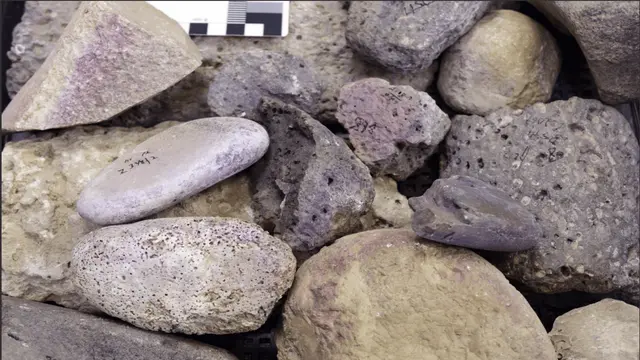
The researchers identified 176 artifacts related to textile dyeing. These items were organized into six categories and included basalt grinding stones, bowls, stone hammers, and fragments of pottery with purple stains.
Some pieces were directly associated with dyeing, while others revealed the residues left by the industrial process.
Fragments of basins indicated that the containers used were partially buried and reused. Some shards were stained with dye, while others showed no coloration, which helped to distinguish the different stages of the process.
The team also conducted chemical, mineralogical, and contextual analyses to understand how dyeing was done. The data reinforced the separation between the two main stages of production: dye extraction and fabric dyeing. This distinction helps to resolve an old question about how this production chain operated in the Levant during the Iron Age.
Historical Relevance And Future Searches
The study highlights that this is the largest collection of artifacts of this type ever found in the Mediterranean region, regardless of the historical period. The discovery at Tel Shiqmona may now serve as a reference for locating other centers of purple dye production, especially in areas close to marine ecosystems rich in mollusks.
According to the authors, the ancient purple dye industry was a “messy business,” leaving behind a lot of waste. This characteristic may help archaeologists identify other similar sites. They conclude the study with an interesting observation, comparing the strategic location of the factory to real estate advice: “location, location, location.”