






 Portuguese
  Spanish


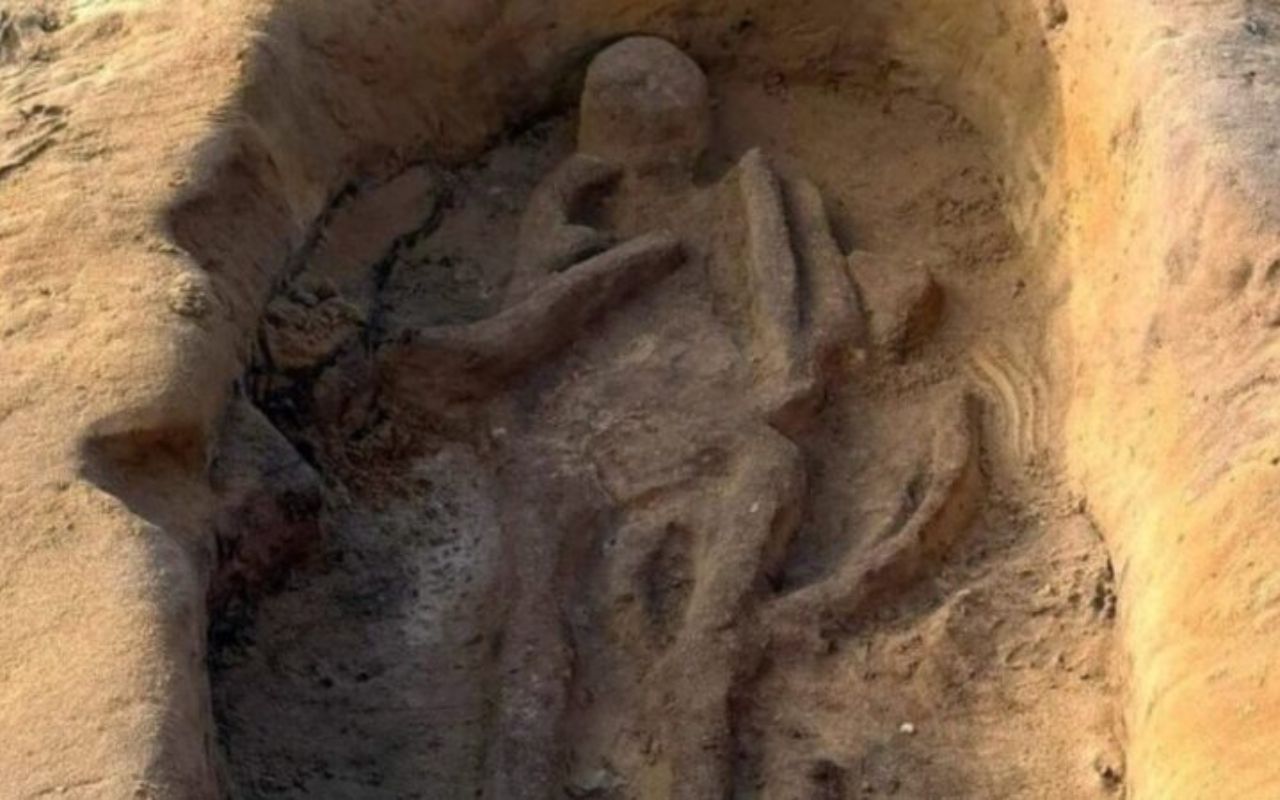


Anglo-Saxon Tombs Discovered at Nuclear Site in England Reveal Possible 7th Century Royalty Buried with Weapons and a Horse.
Even before the most recent discovery, the site where the Sizewell C nuclear power plant is being built, in Suffolk, eastern England, had already attracted the attention of archaeologists.
The construction site has revealed, over the years, remnants that span different periods of British history.
Among the finds are stone tools from the Neolithic, a rare oak ladder from the Iron Age, and a Roman ceramic oven.
-
Brazilian Researchers Develop Low-Cost Sensors to Detect Avian Flu in Minutes, Enhancing Global Health Security

-
545 Intact Amphorae Found 370 Meters Deep in Turkey Reveal Ancient Byzantine Trade Routes Connecting the Aegean and Black Sea

-
NASA to Send Astronauts Over 400 km Above Earth for 6.5-Hour Spacewalk to Repair Canadarm2 on the ISS

-
Microsoft Raises Xbox Prices Again Due to Rising Component Costs


Furthermore, researchers located a treasure of over 300 silver coins from the 11th century, which are believed to have been hidden by a local resident during a period of crisis.
All this material has been incorporated into the collection of the Suffolk County Council Archaeological Service, reinforcing the historical relevance of the area.
New Tombs Expand the Archaeological Importance of the Site
During preparations for the construction of a new access road for the plant, archaeologists identified 11 Anglo-Saxon tombs dated between the 6th and 7th centuries.
The discovery adds a new layer of significance to the archaeological site and deepens the understanding of the early Middle Ages in England.
The tombs were positioned on an elevated point in the landscape, suggesting an intentional choice.

According to researchers, the location indicates that the space had strong symbolic value for the communities of the time.
Tombs Indicate Burials of High Social Prestige
Among the 11 tombs found, two burials stood out due to their unusual characteristics.
The bodies were buried alongside weapons and a fully equipped horse, a type of funeral ritual associated only with individuals of high status.
Based on these elements, archaeologists believe that they are figures of 7th century royalty.
This type of burial reinforces the idea that the site was reserved for the Anglo-Saxon elite.
Known as stone tombs, the burial mounds were distributed alongside graves for cremation and inhumation, revealing different funeral practices coexisting in the same space.
Soil Challenged Preservation, but Revealed Rare Details
Despite the importance of the find, the soil at the site did not provide good conditions for the preservation of human remains. Nevertheless, the excavation surprised the team involved.
According to Popular Mechanics, the terrain allowed for the formation of sand silhouettes that recorded the shape of the burials.
These marks preserved the outline of the bodies and the horse in an unusual manner.
Len Middleton, project officer at Oxford Cotswold Archaeology, highlighted the visual impact of the find, stating that the silhouettes were impressive and managed to capture the exact contours of the bodies with notable detail.
Discovery of the Tombs Has National Relevance
For specialists, the tombs found in Suffolk go beyond a local discovery.
“Discoveries like this are of national importance because they deepen our understanding of power, beliefs, and identity in early medieval England,” explained Middleton, “and how these ideas were expressed along the East Anglian coast.”

The executive director of Sizewell C, Nigel Cann, also commented on the find. According to him, the cemetery offers a fascinating glimpse into Suffolk’s rich historical heritage and helps understand how the region’s early communities lived.
Source: Adventures in History


Que **** colocar essa imagem gerada por IA no inicio