Portuguese
  Spanish


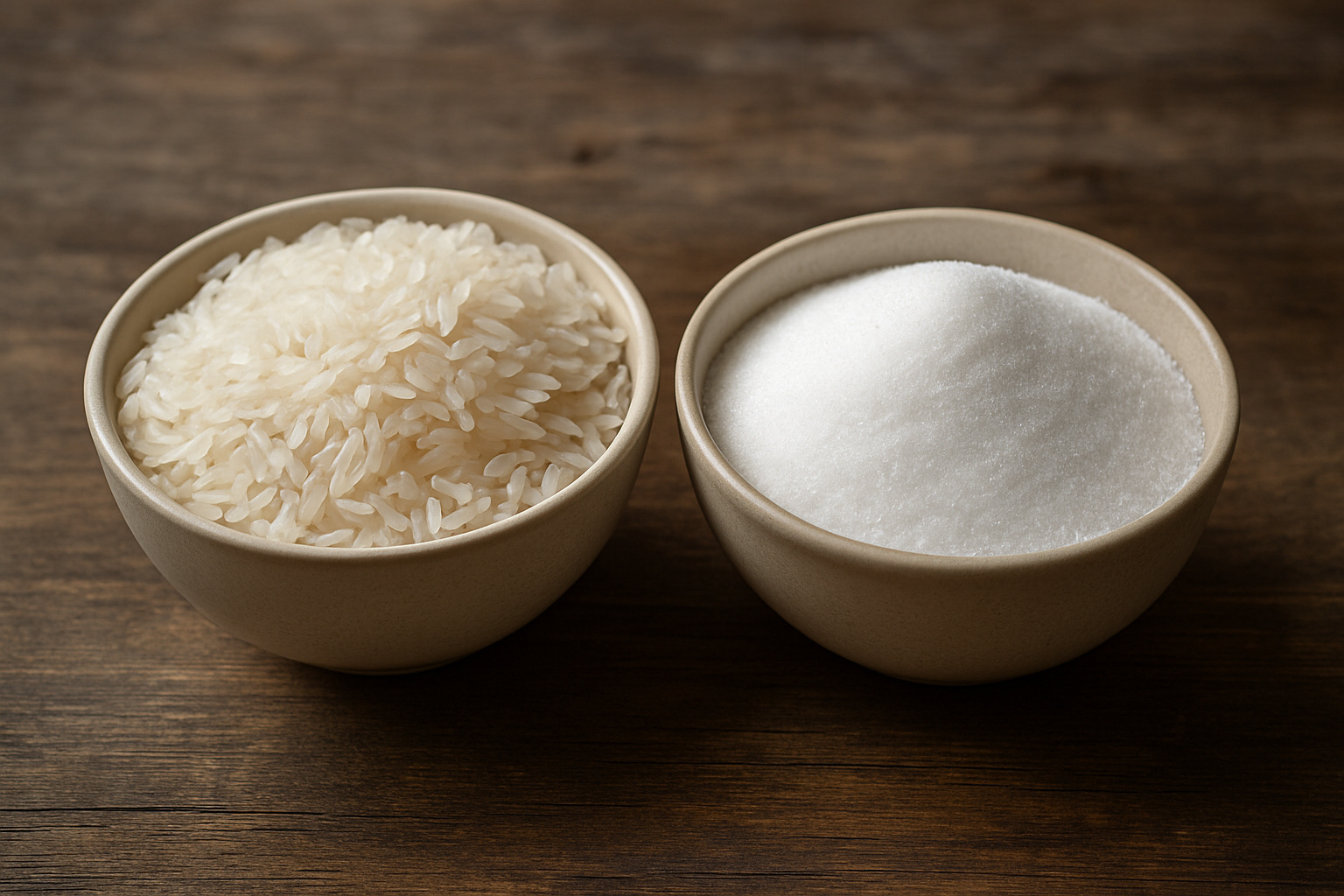

Study Shows That White Rice Raises Glucose Almost as Quickly as Sugar and That Simple Substitutions Can Reduce Risks
White rice is one of the most consumed foods in Brazil. However, researchers from Harvard T.H. Chan School of Public Health warned that its frequent consumption may increase the risk of type 2 diabetes.
This occurs because the refined grain has a glycemic index (GI) between 56% and 69%. These values can rapidly raise blood glucose levels.
By 2025, updated data from Harvard Health Publishing indicate that cooked white rice can reach an average GI of 73.
This number is very close to that of pure sugar. This makes it dangerous for people who need to control their blood sugar.
Why Is White Rice Harmful to Health?
During the refining process, rice loses fibers, vitamins, and minerals.
What remains is almost purely starch, a rapidly digestible carbohydrate.
According to doctor Renan Bosio, a graduate in sports medicine and nutrition, “after refinement, basically only starch remains.”
He explains that this process causes a rapid spike in blood sugar levels.
Therefore, despite being a staple of Brazilian cuisine, white rice should be consumed in moderation.
This advice is especially important for those with insulin resistance or diabetes.
Longevity Breakfast: Typical Meal from Costa Rica Recognized as the Healthiest in the World
ARTICLE CONTINUES BELOWSee also
Couple buys 1905 colonial house, plans to tear down walls to unite three rooms, but finds hidden service staircase and rethinks the entire renovation to preserve details that have survived for over a century.

Couple receives a quote of $50,000 to install a built-in refrigerator, decides to do the work themselves, spends $6,000, and claims to have saved over $100,000 by renovating the house.
At 77 years old, an elderly woman lives alone in an almost ghost village in the French Alps, at an altitude of 1,000 meters, where there is a town hall, a mayor, and an entrance sign, but only she lives there every day in a place destroyed by a landslide and almost erased from the map.

India excavates a 28 km artificial lake in the Thar Desert, lines the bottom with a giant plastic sheet to prevent 1.41 million tons of water from disappearing into the sand, and attempts to supply 5 million people throughout the year.


Healthier Alternatives with Low Glycemic Index
The same Harvard study recommends replacing white rice with foods that have a lower glycemic index.
This swap helps reduce the impact on glucose and increases the nutritional value of the meal.
Among the most recommended options is lentils, which have an average GI of 30%.
The food is rich in soluble fiber, iron, calcium, and phosphorus.
Additionally, it offers a range of additional benefits, such as:
- Assists in digestion
- Helps prevent anemia
- Controls cholesterol
- Protects bones
- Strengthens the immune system
Other Options Recommended by Nutritionists
According to experts, other alternatives can also replace white rice without compromising health.
Among them are:
- Quinoa, rich in proteins and essential amino acids
- Amaranth, high in fiber and magnesium
- Sweet potato, which releases energy slowly in the body
- Buckwheat, a source of proteins and antioxidants
- Barley, excellent for controlling cholesterol and blood sugar
These foods, when included in meals in a balanced way, contribute to slower digestion.
They reduce the risk of glycemic spikes and provide important nutrients to the body.
Health and Balance at the Table
Although white rice remains a national favorite, it is essential to understand its effects on the body.
For this reason, seeking more balanced substitutions is a crucial step in maintaining health.
As evidenced by Harvard T.H. Chan School of Public Health, conscious choices can reduce the risk of metabolic diseases.
Furthermore, these changes contribute to a healthier and more enduring diet.
After all, small changes on the plate can lead to significant transformations in health.