Portuguese
  Spanish


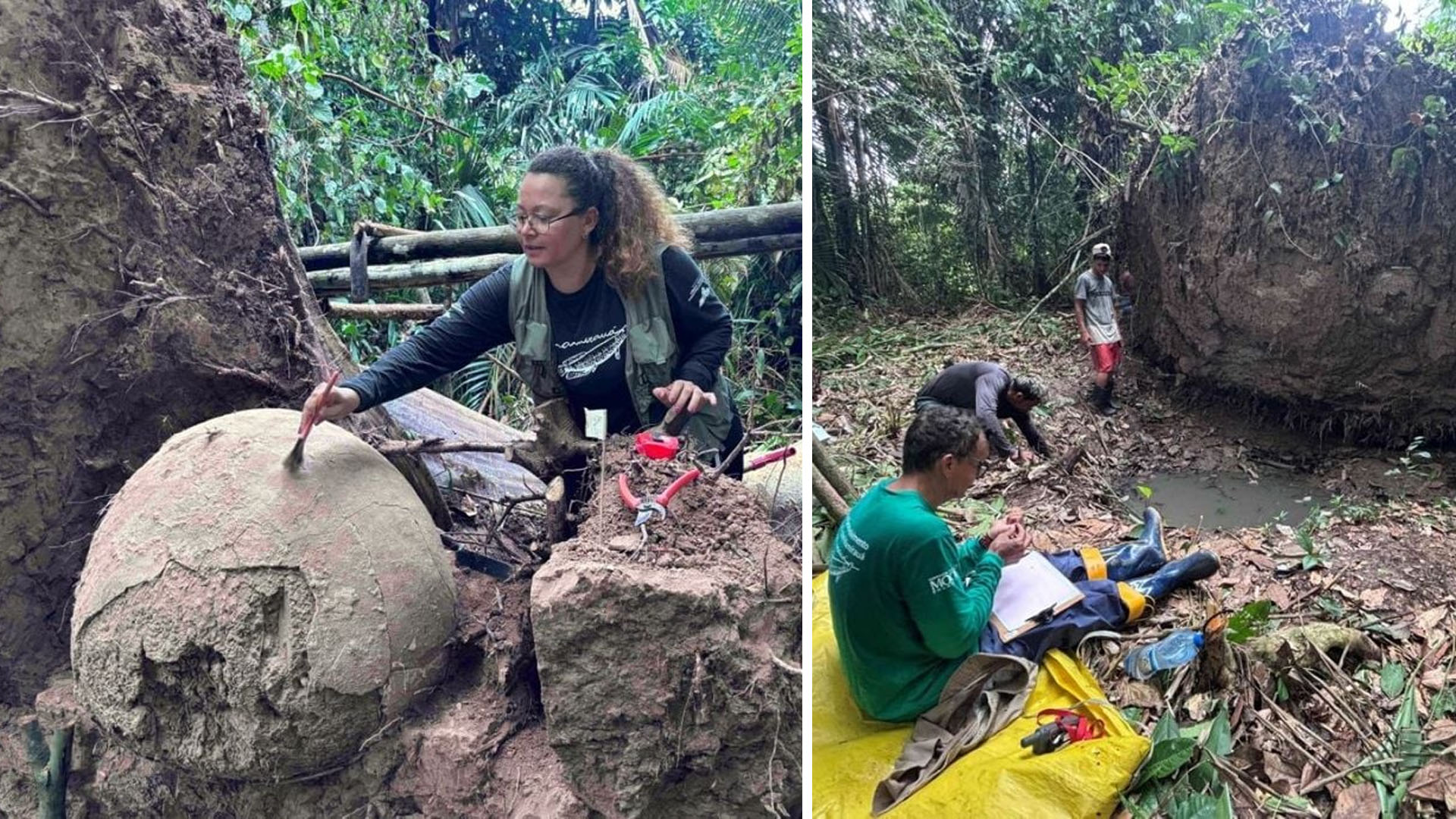


Find in Médio Solimões Exposes Seven Funerary Urns Beneath the Roots of a Tree in Fonte Boa (AM). Researchers and Residents Reveal Ancestral Rituals and Indigenous Engineering with Artificial Islands That Supported Houses During Floods.
The fall of a tree in early 2025 was a turning point for Amazonian archaeology. In Lago do Cochila, a community in Fonte Boa (AM), residents saw large ceramic vessels emerging from the exposed roots.
Contact with the Instituto Mamirauá in Tefé led a team to the site and confirmed: there were seven funerary urns, two of large volume.
Initial analyses indicated fragments of human bones, fish, and turtles inside the pieces. The set suggests rituals that combined burial and feeding, a practice recorded among pre-contact Indigenous peoples. The material is now undergoing laboratory curation.
-
Brazilian Designers Turn Urban Waste into Vegan Fashion, Diverting Nearly 1 Ton of Waste and Earning $2.2 Million in 2024

-
Farmer Discovers Rare Roman Mosaic in England, Unveiling Scenes from the Trojan War and Transforming British Archaeology After Decades of Mystery

-
Low-Cost Concrete Panel House Goes Viral: Investor Reveals Prefabricated Kit Structure for Around $1,500, Assembled in 30 Days, with Plans for Rental and Resale Income
-
Brazilian Lottery Winner Ordered by Court to Share $22 Million Jackpot with Ex-Partner, Sparking Major Legal Battle



The site integrates a system of artificial islands built with soil and ceramic shards. These structures elevated the floor in floodplain areas to protect homes and social spaces during floods, indicating permanent occupation and territory planning.
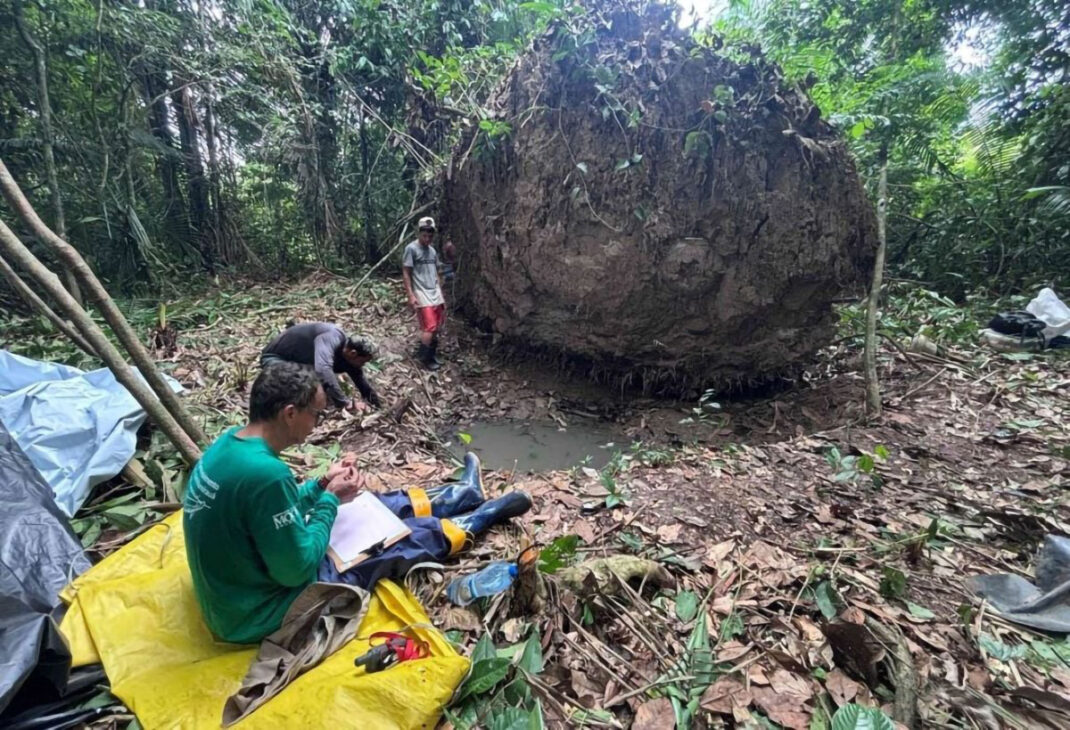
The find resulted from a participatory research. Local leaders, such as the pirarucu handler Walfredo Cerqueira, articulated the alert to the priest in Tefé, who notified the archaeologists. The operation required travel by river and forest and careful techniques to extract and transport the urns without damage.
Where, When, and How the Find Came to Light
The set was located buried about 40 cm beneath the old flooring of houses, reinforcing the domestic nature of the rituals. The depth and position under the tree roots explain why the vessels only appeared after the fall.
The tree fell in a floodplain area of Médio Solimões, in Fonte Boa, about 190 km from Tefé. Access is complex and seasonal, requiring long canoe trips and walks in flooded areas, which imposed non-standard logistical solutions.
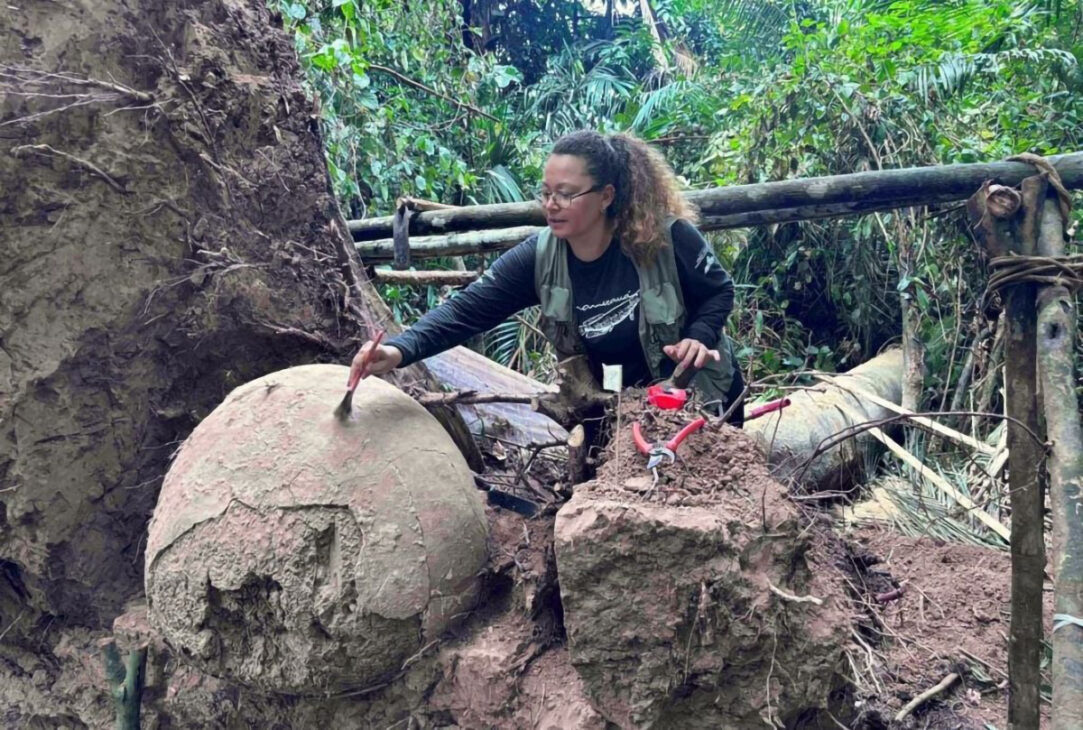
The team built suspended structures of wood and vines to excavate “in the air,” controlling the stratigraphy.
Transporting the pieces to the laboratory required layered packaging and wooden supports, taking 10 to 12 hours by river.
What the Urns Found in the Amazon Say
The ceramics are large and without apparent lids. Researchers suggest that sealing may have been done with decomposed organic materials, a hypothesis consistent with the humid context of the floodplain.
The vessels display rare greenish clay and red glazes, a combination poorly documented in the region and that does not currently fit within the Polychrome Tradition of the Amazon. This suggests a still-little-known ceramic horizon in Alto Solimões.
The internal content, human bones, fish, and turtles, reinforces the link between spirituality, memory of ancestors, and food in rituals that gave meaning to community life even in dynamic and flood-prone environments.
Artificial Islands: Indigenous Engineering in the Floodplain
The “islands” were built with soil brought from other points and mixed with ceramic fragments, raising the ground to withstand flooding. This is an example of sophisticated Indigenous engineering that reveals mastery of water regimes and high population density in the past.
The configuration of these platforms points to ancestral urban planning, with houses on elevated areas and communal spaces nearby. Instead of seasonal migration, the data suggest continuities of occupation.
These technical solutions integrate an accumulated ecological knowledge. The floodplain, far from being a barrier, becomes living infrastructure when combined with traditional engineering and monumental ceramics.
The case of Lago do Cochila broadens the archaeological literature on Amazonian floodplains and helps revise narratives that treated them as passage zones, lacking sedentism.
Science with Community Participation
The find was only possible because residents recognized the importance of the vessels and engaged the right network. The sequence—community members, local priest, archaeologists—became a model for a rapid response to heritage.
During the excavation, community members built walkways, helped package, and navigated with the urns, reinforcing the idea of “archaeology from the inside out,” as expressed by the researchers.
This arrangement strengthens preservation: when the community sees itself as a creator and guardian, the chance of new findings being protected and communicated quickly increases.