Portuguese
  Spanish


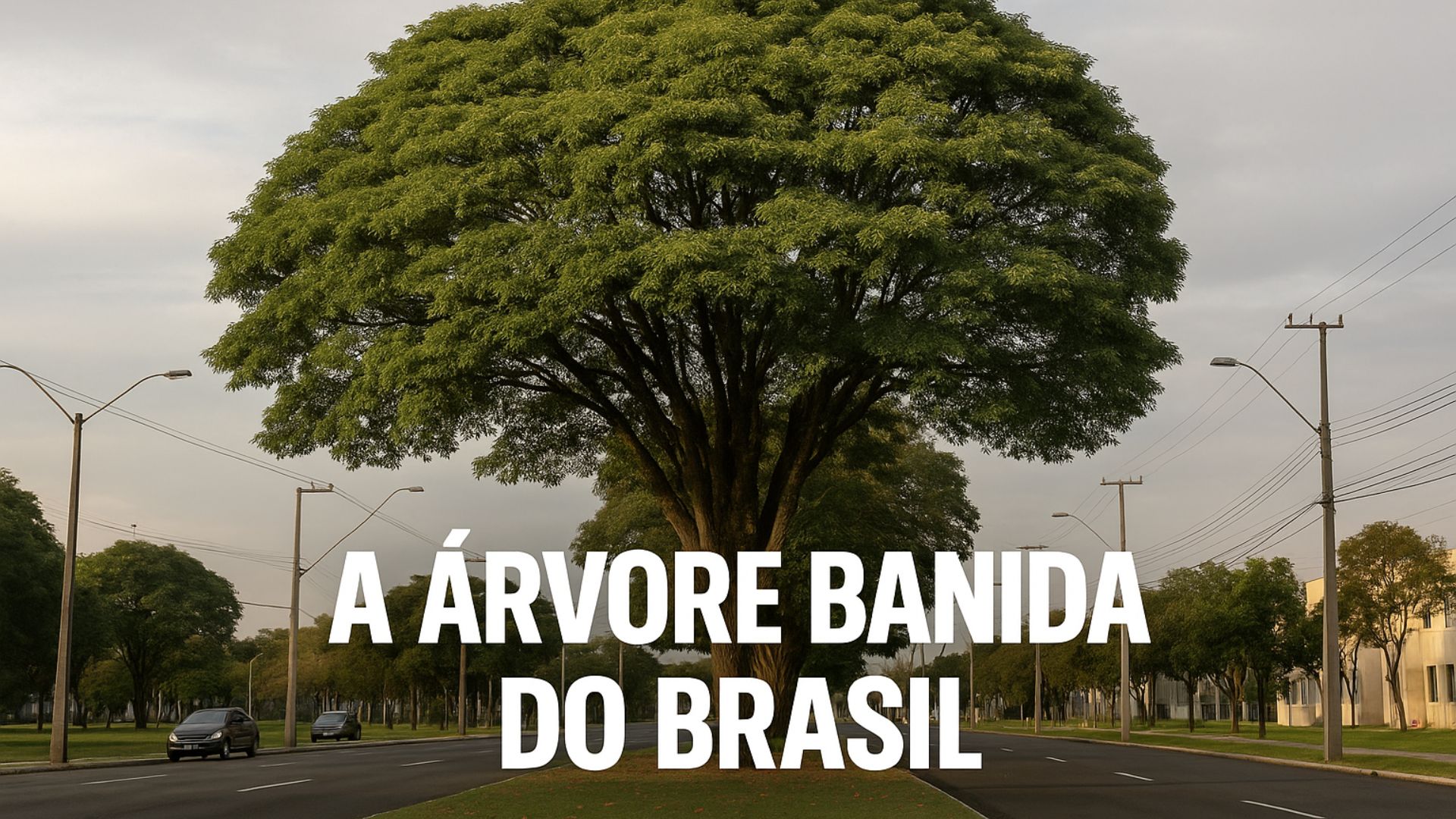

Popular Species in Urban Forestry Targeted for Prohibition in Santa Catarina Due to Risks to Pollinator Fauna and May Result in Fines for Those Who Maintain Specimens of the Tree in Public or Private Areas.
The government of Santa Catarina has intensified inspections and awareness actions regarding Spathodea campanulata, known as silk tree, bisnagueira, or tulip tree.
The tree, widely used in urban forestry, has been prohibited by state law since 2019 after studies indicated that its flowers contain toxic substances capable of causing the death of native bees.
Failure to comply with the regulation may result in a fine of up to R$ 1,000 per seedling, an amount that doubles in case of recurrence.
-
Japanese doctors complete 34 years of volunteer mission in Vietnam and have already performed more than 3,000 free surgeries to correct cleft lip and palate in children from families unable to afford treatment.

-
The man who started by cleaning bricks and unloading wagons entered the warehouses of Dallas and helped transform commercial real estate into a billion-dollar business.
-
An entrepreneur from Alagoas started by selling organza bags as extra income, ventured into digital after motherhood, and transformed personalized packaging into a national business that sells 35,000 units per month, generates about R$ 60,000, and employs 14 people.

-
While playing video games in his room, a 13-year-old teenager was struck by a lightning bolt that entered the house, left a hole in the wall, passed through a metal piece of the desk, and made the boy scream, thinking he was going to die.



Law and Enforcement
The Law No. 17,694, enacted on January 14, 2019, prohibits throughout the state the production, planting, and maintenance of the species.
Enforcement is conducted by the Institute of the Environment (IMA), in partnership with municipal agencies, and reports can be made by the population itself.
The objective is to prevent the species from continuing to spread in urban areas and private properties.
Risk to Bees and Environmental Impact
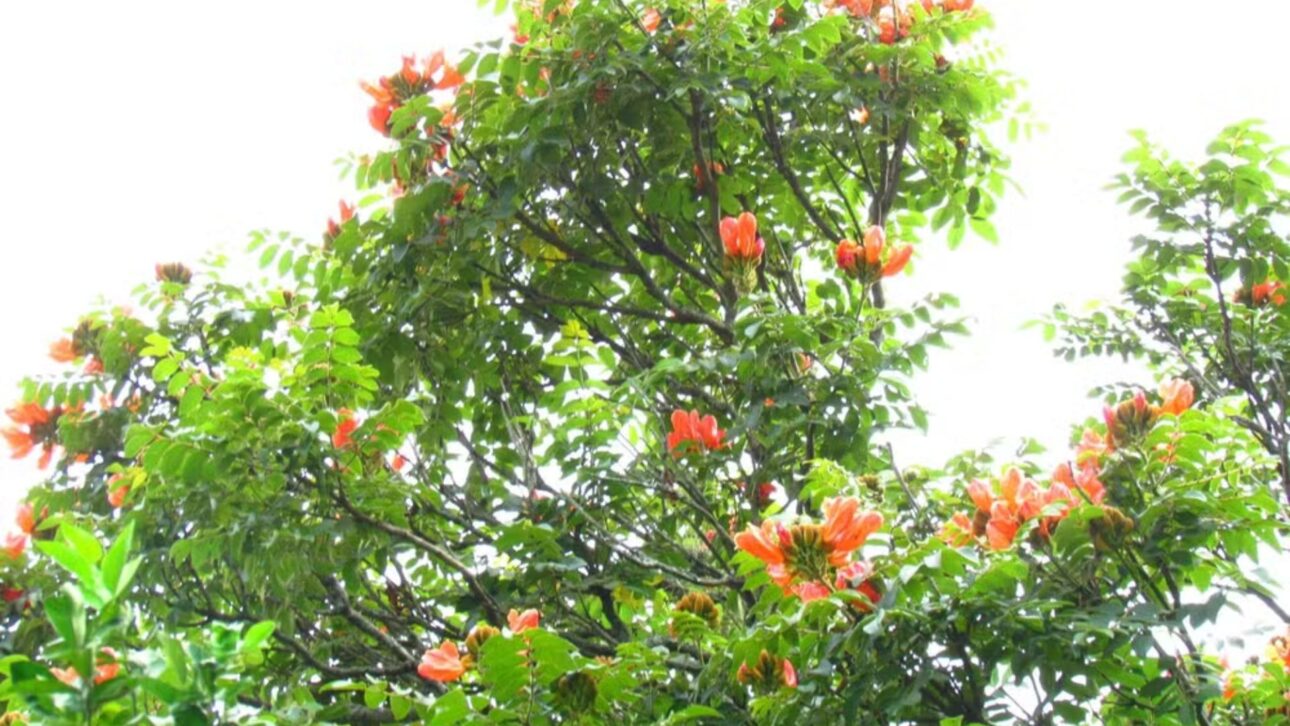
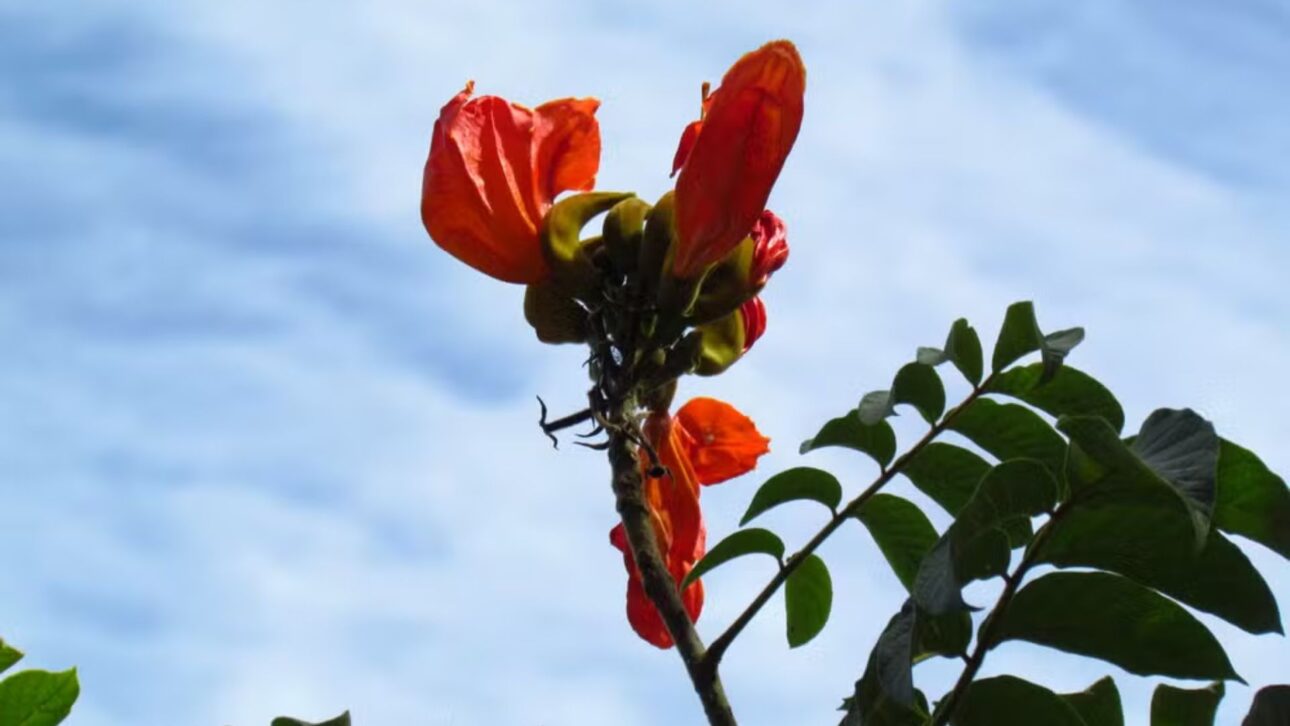
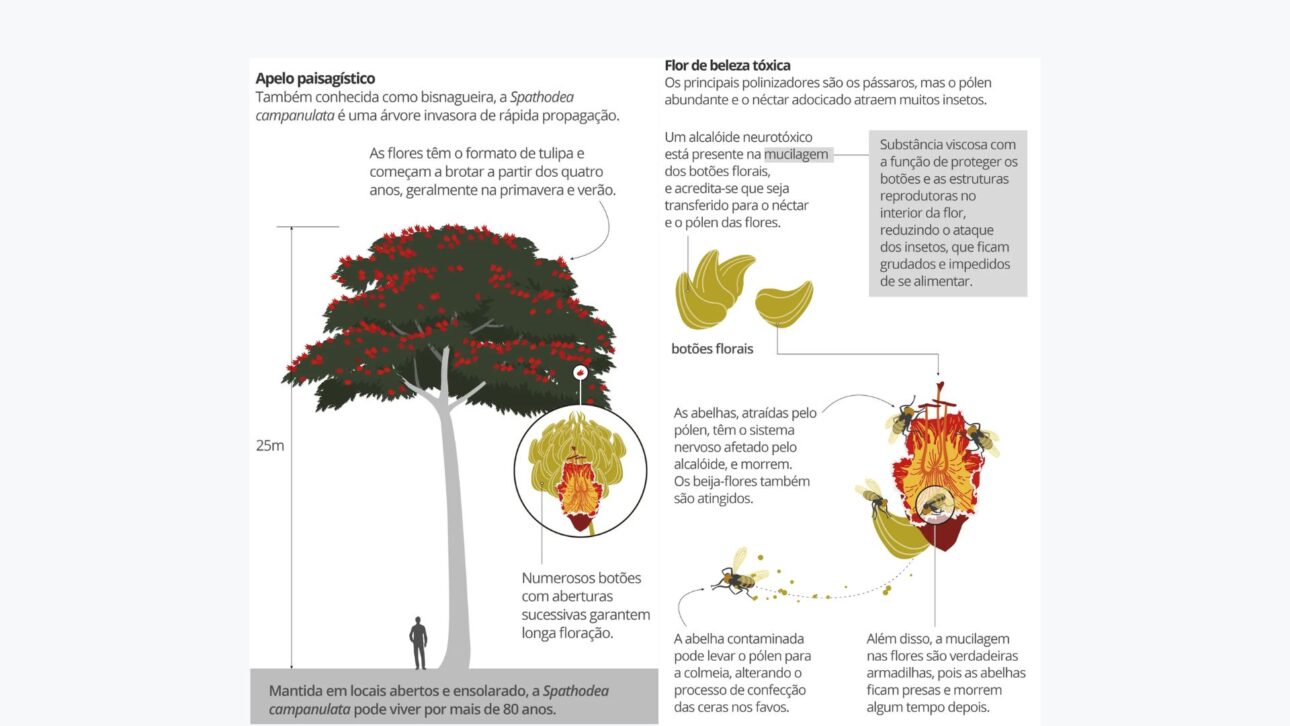
According to the IMA and research cited by the agency, the flowers of the silk tree contain lethal toxic substances for different species of native bees, especially stingless bees.
The toxins may be present in the nectar, pollen, and mucilage produced by the flower, which, according to studies, leads to the death of the insects and reduces the pollination capacity in nearby areas.
Environmental researchers point out that the problem is more frequent during periods of lower availability of native flowers, when bees seek food from exotic species like the silk tree.
This imbalance can affect both natural ecosystems and agricultural crops that depend on pollination.
Orientation Campaign
With the goal of informing the population and reinforcing the legislation, the IMA launched the campaign “Toxic Exotic Flora for Fauna – Silk Tree”.
The material advises on the risks of the species, correct management, and options for native trees that can replace it on sidewalks, squares, and avenues.
The action also explains how to proceed in cases of specimens planted in public or private areas.
According to the institute, the replacement should occur in a planned and safe manner, avoiding impacts for residents and urban infrastructure.
Characteristics and Dissemination
The silk tree is a large tree, which can reach a height of up to 25 meters.
Introduced in Brazil for its fast growth and striking orange flowers, the species became popular in forestry projects in past decades.
With the advancement of studies on its effects on fauna, states and municipalities have begun to restrict or prohibit planting, especially in regions where the presence of native bees is essential for ecological and productive balance.
Fines and Legal Obligations
The text of Law No. 17,694/2019 establishes a fine of R$ 1,000 for each plant or seedling produced, planted, or maintained in violation of the regulation.
In case of recurrence, the amount is doubled.
The IMA advises that property owners seek technical guidance before removing the tree, especially in the case of large specimens or those close to wiring and constructions.
The agency recommends replacement with native species suitable for urban space, to maintain the benefits of shade and thermal comfort.
Public Authority Actions and Gradual Replacement
According to the IMA, the replacement of silk trees in public areas should be done gradually by the municipalities to avoid losing vegetation cover.
Municipal administrations are encouraged to adopt regional native species that are compatible with the urban environment and safe for pollinator fauna.
The campaign also seeks to encourage community participation, with reports of irregular plantings and engagement in environmental education programs.
Statement from the Institute of the Environment
The coordinator of the State Program for Invasive Exotic Species of the IMA, Elaine Zuchiwschi, explains that the prohibition is part of a long-term effort to balance urban flora management with local fauna protection.
“The publication of this law is an important step for society to increasingly learn and engage in the conscious and responsible management of the flora and fauna species it interacts with daily, promoting more environmental balance than impacts,” said the agronomist.
How to Act in Case of Occurrence
The IMA advises that anyone identifying specimens of the silk tree in public areas should inform the local city hall for technical evaluation and possible replacement.
In private properties, removal must follow safety and proper management standards, with oversight by professionals or environmental agencies.
Authorities emphasize that the use of native species in urban planting contributes to protecting pollinators and strengthening regional biodiversity, as well as reducing long-term maintenance costs.
Effects on Agriculture and Biodiversity
Environmental researchers state that the mortality of bees caused by the silk tree interferes with the pollination of agricultural crops and the reproduction of wild plants.
This loss can affect productivity and compromise the regeneration of ecosystems.
For this reason, sector technicians argue that the gradual replacement of the species is a necessary measure to minimize environmental damage and ensure ecological balance in urban and rural areas.