





 Portuguese
  English
  Spanish
  4 min of reading
  0 comments


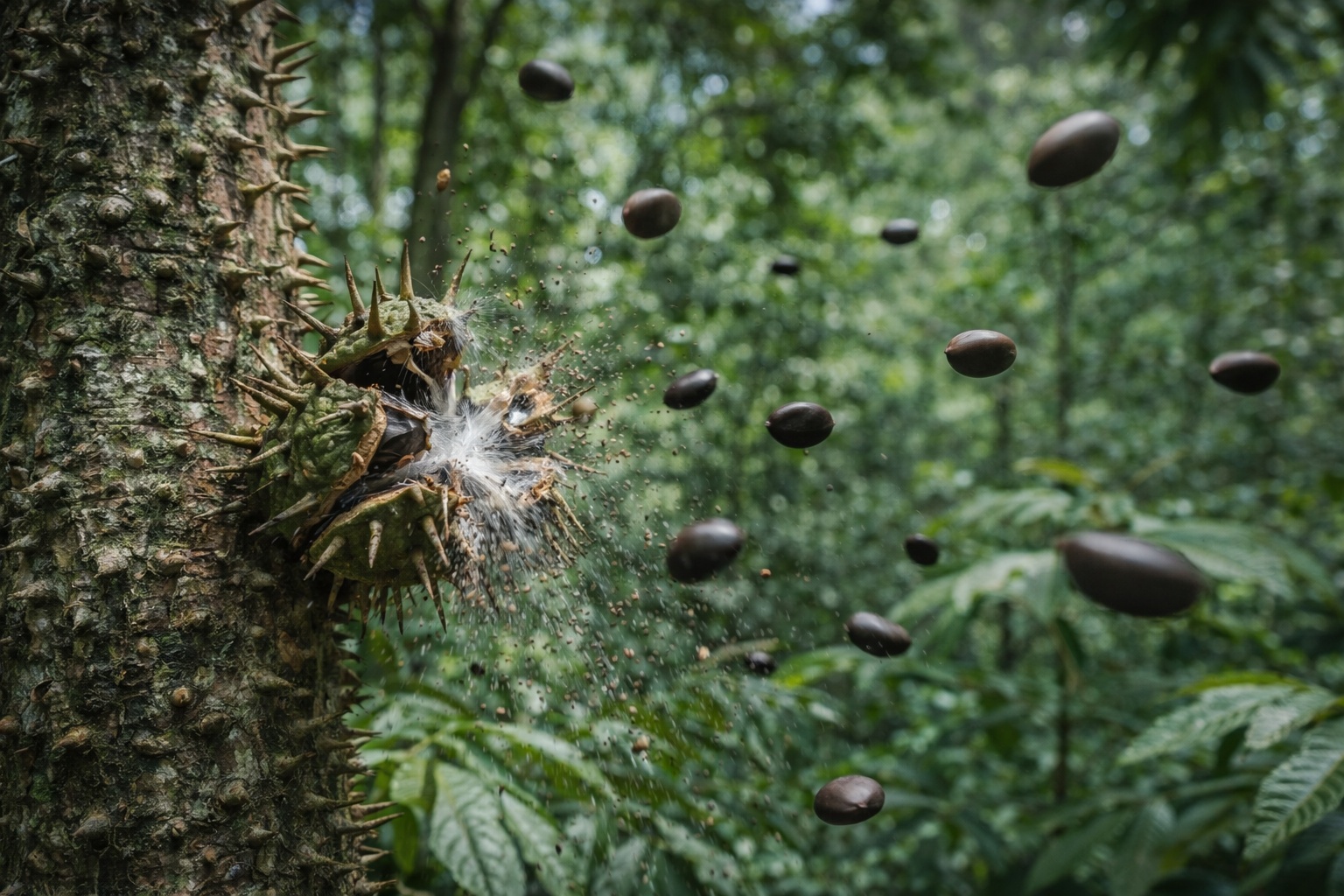
Hura Crepitans, Known As Sandwich Tree or Dynamite Tree, Launches Seeds At Up To 70 Km/H Using Natural Explosions to Reproduce.
In the world of botanical curiosities, few species are as surprising as the Hura crepitans, a tropical tree native to the Americas that has developed a dispersal mechanism so extreme that many describe it as a “biological slingshot.” As it matures, its dry fruits accumulate so much internal pressure that they explode with an audible pop, launching seeds over long distances.
In the forests where it naturally occurs — from Brazil to Central America— it is not uncommon for locals to confuse the sound with a gunshot or fireworks, especially during dry seasons when the internal pressure of the fruit increases.
How the Explosion Works: Physics Applied to Botany
The capsule of Hura crepitans is formed by segments that dry at different rates. This difference in contraction loads the fruit like a compressed spring. When the tension exceeds the structural limit, a sudden release of energy occurs.
-
Neymar is out, Vinicius Júnior holds on, and Brazil shrinks in the ranking of the world’s highest-paid athletes, which now features Cristiano Ronaldo and the NBA as major protagonists.

-
Without wheels, iron, or machines, teams of up to 32 men would have dragged 2.3-ton blocks over wet sand up a ramp embedded in the pyramid itself, raising the structure in 20 to 27 years, according to a new computer model that reignites a millennia-old debate.

-
Billion-dollar megaproject will transform Turkey into a railway bridge between Europe and Asia
-
The Soviet Union designed a tank to fight after the nuclear apocalypse, the Object 279, a nearly 60-ton machine with a flying saucer shape and four tracks, capable of not overturning even in the face of the shockwave of an atomic bomb.




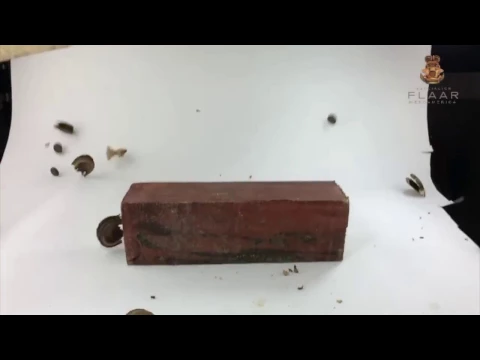

University studies in plant biomechanics show that:
• the capsules can reach internal pressures above 12 atmospheres
• the opening is explosive and instantaneous, generating pops between 70 and 90 decibels
• the seeds are thrown up to 15 meters away
• the initial speed can exceed 70 km/h
This adaptation allows the tree to spread its offspring far from the trunk, reducing direct competition for light and nutrients, a classic evolutionary mechanism known as ballistic dispersal.
A Tree Far From Being “Innocent”
Besides the explosive fruit, Hura crepitans has other characteristics that fuel its unusual reputation.
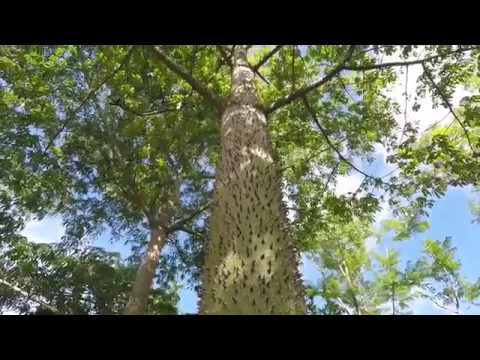
Its trunk is often covered with rigid, conical thorns, earning it popular names such as “devil tree”, “sandwich tree”, and “dynamite tree”.

Its milky sap contains irritating compounds, which historically led Indigenous communities to use latex for fishing and arrows, although it is not comparable to lethal toxins.
Today it is known that contact with the sap can cause irritation in sensitive individuals, but the species is widely found in nature and academic studies, not considered a serious threat.
Explosive Behavior That Confuses Even Those Living Nearby
Etnobotanical reports and field records indicate that the pop of Hura crepitans occurs more intensely:
• in hot and dry seasons
• in ripe fruits exposed to direct sunlight
• in the early afternoon, when temperatures peak
Researchers describe that while walking in areas with many mature trees, it is possible to hear an irregular sequence of “botanical shots” throughout the day, creating an unusual environment that mixes forest silence with pauses followed by small explosions.
Ecological and Economic Importance
Despite the apparent danger, Hura crepitans plays important ecological roles, especially in tropical forests:
• provides shade and micro-habitat for small species
• participates in nutrient recycling after leaves and fruits fall
• favors horizontal seed dispersal thanks to the explosive pop
• aids in canopy renewal in secondary forests
Furthermore, the species’ wood can be used for:
• light carpentry
• packaging
• simple furniture
• paper production
While not as noble as mahogany or jatobá, it is a lightweight wood available in large volumes in some regions.
Why This Tree Became a “Botanical Urban Legend”?
The combination of:
• explosive fruits
• spiny trunk
• dramatic popular names
• irritating sap
• sounds resembling pops or shots
Has created a folklore around Hura crepitans, especially in urban centers where the tree was introduced as a shade ornamental. In Brazilian cities, it also appears in old squares, universities, and reforestation areas.
Science, however, highlights that it is not an aggressive or demonic plant, but an extraordinary example of natural engineering, where physics, biology, and ecology combine to adapt a species to its environment.
An Evolutionary Explosion That Works
Hura crepitans proves that the botanical world is much more dynamic than we imagine. While some trees rely on wind or animals, this tree bets on internal pressure to burst fruits like botanical microgrenades and ensure the survival of its lineage.
For those who love science, it is a fascinating example of how evolution designed efficient, dramatic, and surprising mechanisms for something seemingly simple: spreading seeds.








-

-

-

-

-

-

15 people reacted to this.