






 Portuguese
  Spanish




Energy Transition with Renewable Energies: Wind and Solar Energy Create Economic Benefits, Reduce CO2 Emissions and Pollutants in the Air. Impressive Data from the New Energy Era
Renewable energies generate billions of dollars, despite the common belief that they are not profitable. Just look at the economic benefits in terms of air quality.
The Case of the United States
A report published in Cell Reports Sustainability details the success story of the United States, where California and Texas lead the energy transition. During the period from 2019 to 2022, electricity generation from wind and solar sources provided Americans with economic benefits in terms of climate improvement and air quality, with an estimated value of $249 billion. Benefits that outweigh generation costs, subsidies, and the electricity market.
Impact on Emissions
Wind and solar energy grew 55% in the United States during this period, covering 14% of electricity demand in 2022. This seems low compared to the 27% of the European Union and is below the country that has rapidly expanded its renewable capacity: China, with 19% of the energy mix. Still, investment in renewables in the United States has been extremely effective in reducing fossil fuels. Carbon dioxide emissions decreased by 900 million metric tons, according to the report. This is equivalent to removing 71 million cars from the roads.
-
Brazilian scientists are simultaneously advancing two research projects on clean hydrogen and driving solutions that could transform the energy matrix, enhance industrial competitiveness, and accelerate large-scale emission reduction targets.

-
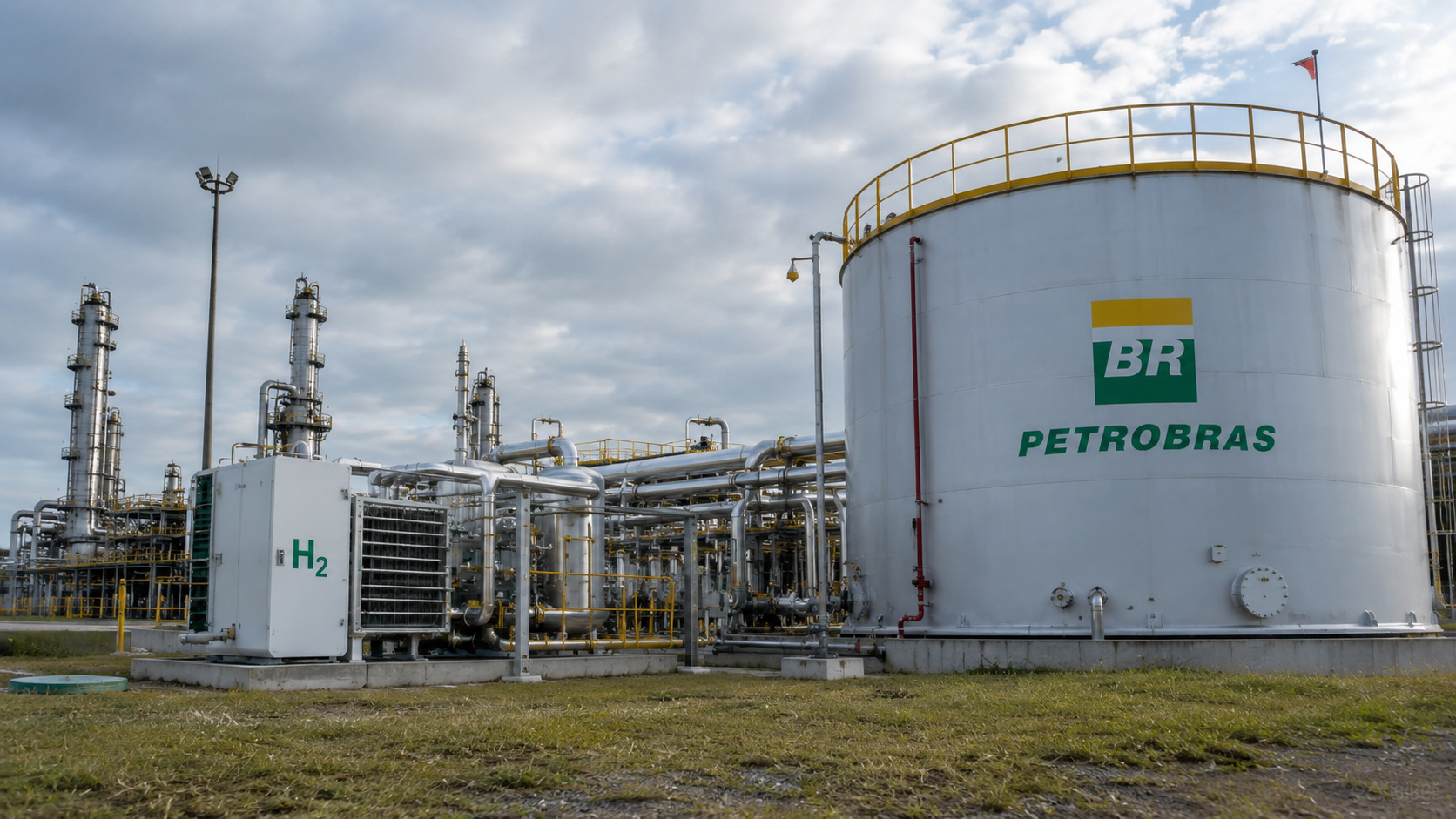
Advancement in renewable energy: A R$ 150 million project launched by Petrobras and Finep aims to create state-of-the-art electrolyzers for green hydrogen, strengthening national research and preparing Brazil to compete in a billion-dollar energy market.
-
Illiterate or semi-literate grandmothers were trained to repair solar systems, open rural workshops, and light up homes that still depended on kerosene.
-
The world has bet on green hydrogen as the fuel of the future, but now faces the side effect: producing 1 kilogram requires about 9 liters of ultrapure water, and the largest projects on the planet are precisely in the driest regions of the Earth, where water is already scarce for people.





And Toxic Substances in the Air
The report also analyzes the benefits in terms of air quality that Americans breathe. During this three-year period, renewables reduced emissions of sulfur dioxide (SO2) and nitrogen oxides (NOx) by one million metric tons. The elimination of these toxic substances from the air also produces million-dollar economic benefits, according to researchers who used air quality models to track the population exposed to this pollution associated with power plants.
How Benefits Are Calculated
The report quantifies benefits according to the dollar value established by the Environmental Protection Agency for the risk of premature death of the entire population. A lower likelihood of suffering from asthma and other respiratory problems are some of the public health benefits that positively impact the economy and are attributable to renewables. Researchers believe that assigning a value to these benefits, $249 billion over three years, can help society recognize that wind and solar energy are working.
Image | Sunpower, MonexEnergia





