






 Portuguese
  Spanish


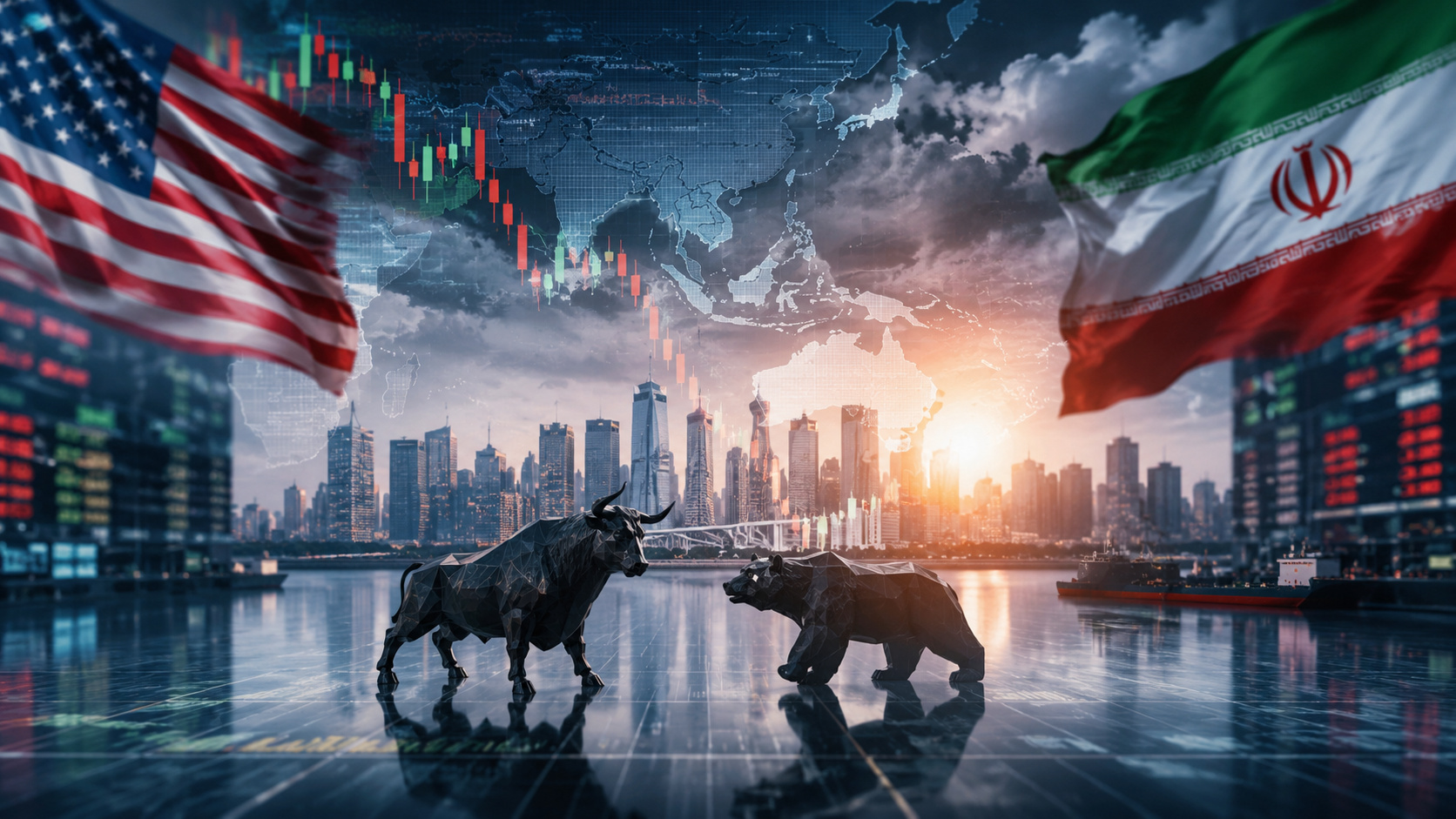

Asian markets ended the trading session without a clear direction this Tuesday after the President of the United States, Donald Trump, announced the postponement of a possible attack against Iran.
The decision increased expectations of diplomatic progress between Washington and Tehran and temporarily reduced pressure on international oil prices.
Moreover, the geopolitical scenario directly influenced the behavior of Asian financial markets. While markets like Japan, South Korea, and Taiwan closed down, indices in mainland China and Hong Kong recorded gains, reflecting distinct reactions from investors in the face of global uncertainties.
Asian markets reacted to the geopolitical scenario
Investors closely followed the statements from the U.S. government involving Iran.
-
Brazil’s Federal Revenue Auction: iPhone 13 for $95, PlayStation 4 for $80, and Volkswagen Jetta for $2,600 Among 232 Lots Available

-
Tech Giant Oracle Lays Off 21,000 Employees and Invests $70 Billion in Artificial Intelligence

-
Chilean Giant Acquires St. Marche, Expanding from Discount to Premium Supermarkets in São Paulo’s High-End Retail Market
-
After 60 Years of Selling Cheap Milk, Brazilian Family Invests in $4,000 Equipment to Transform Farm’s Milk into Premium Sweets, Producing 2 Tons Daily and Aiming for $6.4 Million


Additionally, the postponement of a possible military attack momentarily reduced the fear of escalation in the Middle East.
Experts say that geopolitical tensions usually have a strong impact on global financial markets.
In this context, Asian markets operated with volatility throughout the trading session.
Trump reduces pressure on oil
The indication of postponing the military offensive helped to ease pressure on international oil prices.
Moreover, investors began to bet on greater room for diplomatic negotiations between the United States and Iran.
Experts say that any risk involving the Middle East directly influences the global energy market.
Therefore, oil remains at the center of attention for international investors.


Japan, South Korea, and Taiwan closed down
The markets in Japan, South Korea, and Taiwan ended the day down.
Additionally, investors in these regions showed caution in the face of international instability and global economic uncertainties.
Experts say that economies strongly linked to foreign trade tend to react quickly to international risk scenarios.
In this scenario, the risk aversion movement gained strength in parts of Asia.
Chinese and Hong Kong stock markets advanced
While some markets recorded losses, Chinese and Hong Kong stock markets closed higher.
Additionally, investors positively assessed the temporary reduction of military tension involving the United States and Iran.
Experts say that Chinese markets are also keeping an eye on possible impacts on international trade and energy prices.
Therefore, the regional performance showed mixed behavior.
Oil continues to influence global markets
International oil prices remain one of the main influencing factors on stock markets and currencies.
Furthermore, any change in the Middle East geopolitical scenario usually generates significant fluctuations in the commodity.
Experts say that high oil prices increase concerns about inflation and economic slowdown.
In this context, investors continue to monitor the next diplomatic moves.
Middle East remains on investors’ radar
Tensions in the Middle East continue to be closely monitored by international financial markets.
Moreover, the risk of conflicts involving major oil producers increases concern about the global energy supply.
Experts say that geopolitical instability usually raises market volatility.
Therefore, investors adopt a more cautious stance during times of international crisis.
Global markets operate in a cautious climate
The international environment continues to be marked by economic and geopolitical uncertainties.
In addition, high inflation, high interest rates, and international conflicts continue to pressure global stock markets.
Experts say that investors seek assets considered safer during periods of greater instability.
In this scenario, Asian markets showed different reactions to the same event.
China monitors the international scenario
China is also closely monitoring the impacts of the tension between the United States and Iran.
Moreover, the country has a strong dependence on energy imports and monitors oil fluctuations.
Experts say that high commodity prices can affect economic growth and industrial costs.
Therefore, any relief in international tensions tends to benefit part of the Chinese market.
Oil and inflation worry investors
The relationship between oil and inflation continues to be one of the biggest concerns of the financial market.
Furthermore, increases in energy prices can pressure transportation, production, and consumption costs.
Experts state that persistent inflation makes it difficult for central banks to cut interest rates.
In this context, investors closely monitor every movement involving the energy market.

Diplomacy reduces fear of military escalation
The postponement of the possible attack increased expectations of continued diplomatic negotiations.
Moreover, investors interpreted the movement as a sign of possible reduction in immediate tensions.
Experts state that diplomatic advances help reduce volatility in financial markets.
Therefore, oil showed temporary relief after the statements.
Asian markets reflect global scenario
The Asian markets remain strongly connected to the behavior of the global economy.
Additionally, events involving the United States, China, and the Middle East directly influence regional markets.
Experts state that Asian investors constantly monitor risks related to trade and energy.
In this scenario, volatility remains high.
What experts expect for the coming days
Analysts believe that markets will remain sensitive to negotiations involving the United States and Iran.
Furthermore, investors should follow new diplomatic signals and oil movements.
Among the main factors observed are:
- International oil price
- Relationship between the USA and Iran
- Global inflation
- International markets
- Monetary policy
All these elements should continue to influence market behavior.
Market remains attentive to international tensions
The mixed closing of Asian markets shows how the geopolitical scenario continues to influence investors around the world.
Moreover, the postponement of a possible attack on Iran brought momentary relief to the oil market, but international uncertainties remain high.
While investors await new diplomatic developments, global markets continue to react quickly to political and economic movements involving major powers and the Middle East.


