






 Portuguese
  Spanish
  2 min of reading
  0 comments


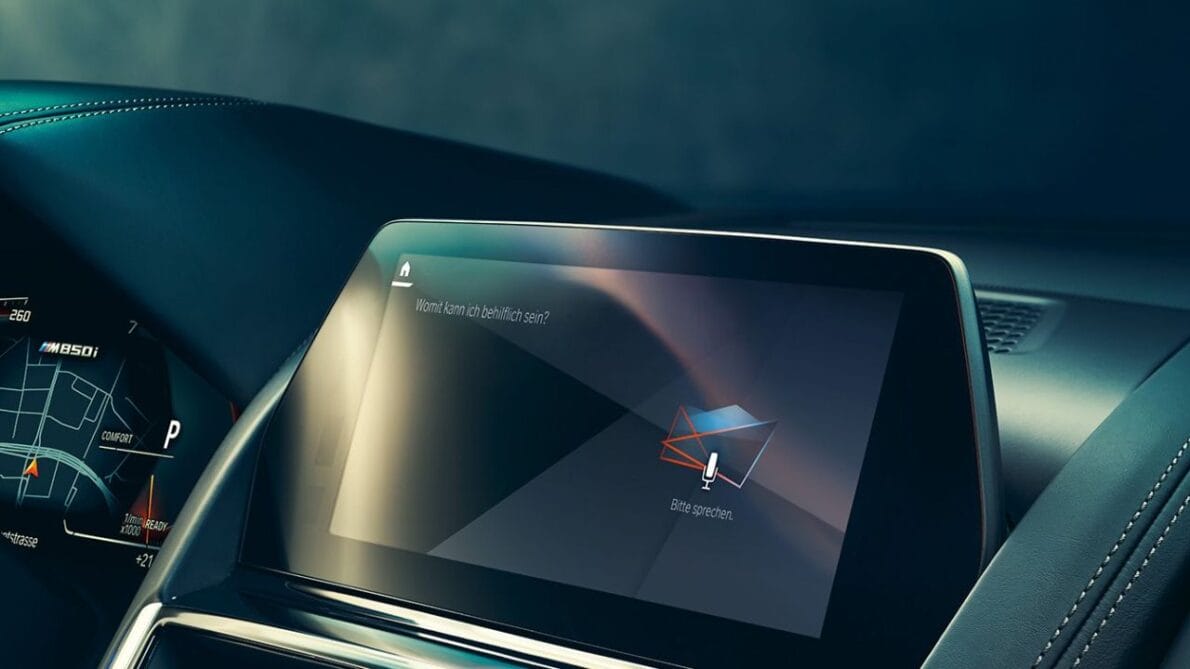
Brands Like BMW, Volvo, MINI, and Chevrolet Bet on Intelligent Systems That Talk, Listen, and Even Drive for You
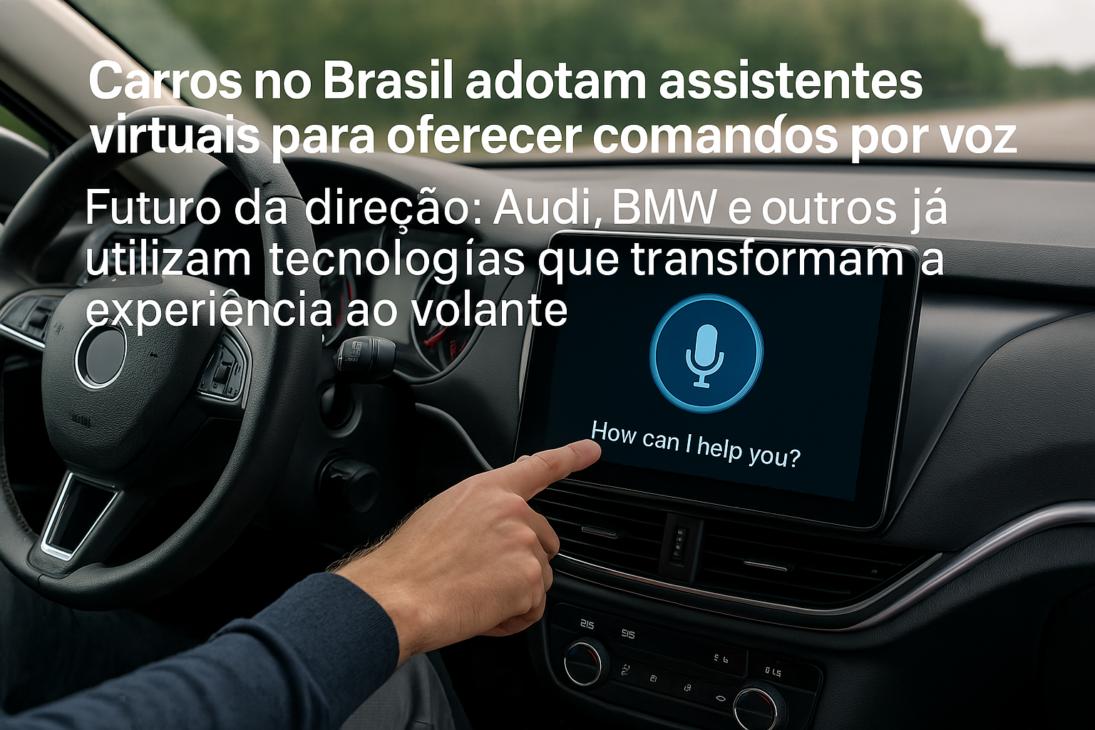
Virtual Assistants are gaining ground in Brazilian cars, offering a new way of interaction between driver and vehicle. With voice commands, remote control via app, and integration with systems like Alexa and Google Assistant, technology transforms the act of driving into a connected and safer experience.
Connectivity, Convenience, and Real-Time Safety
CNN Brazil showed that brands like BMW, Volvo, MINI, Chevrolet, and even BYD are implementing automotive virtual assistants in their models to make the driver’s daily life easier. The commands allow you to adjust the air conditioning, open windows, play music, and even send messages, all by voice, without having to touch buttons or take your eyes off the road.
Among the highlights, the MINI Connected system offers complete control via the dashboard and the My MINI App, which allows you to lock doors or adjust the temperature from a distance. Volvo bets on Google Assistant as integrated navigation technology, while Chevrolet combines MyLink with Alexa and the OnStar service, which provides immediate assistance in case of an emergency or accident.
-
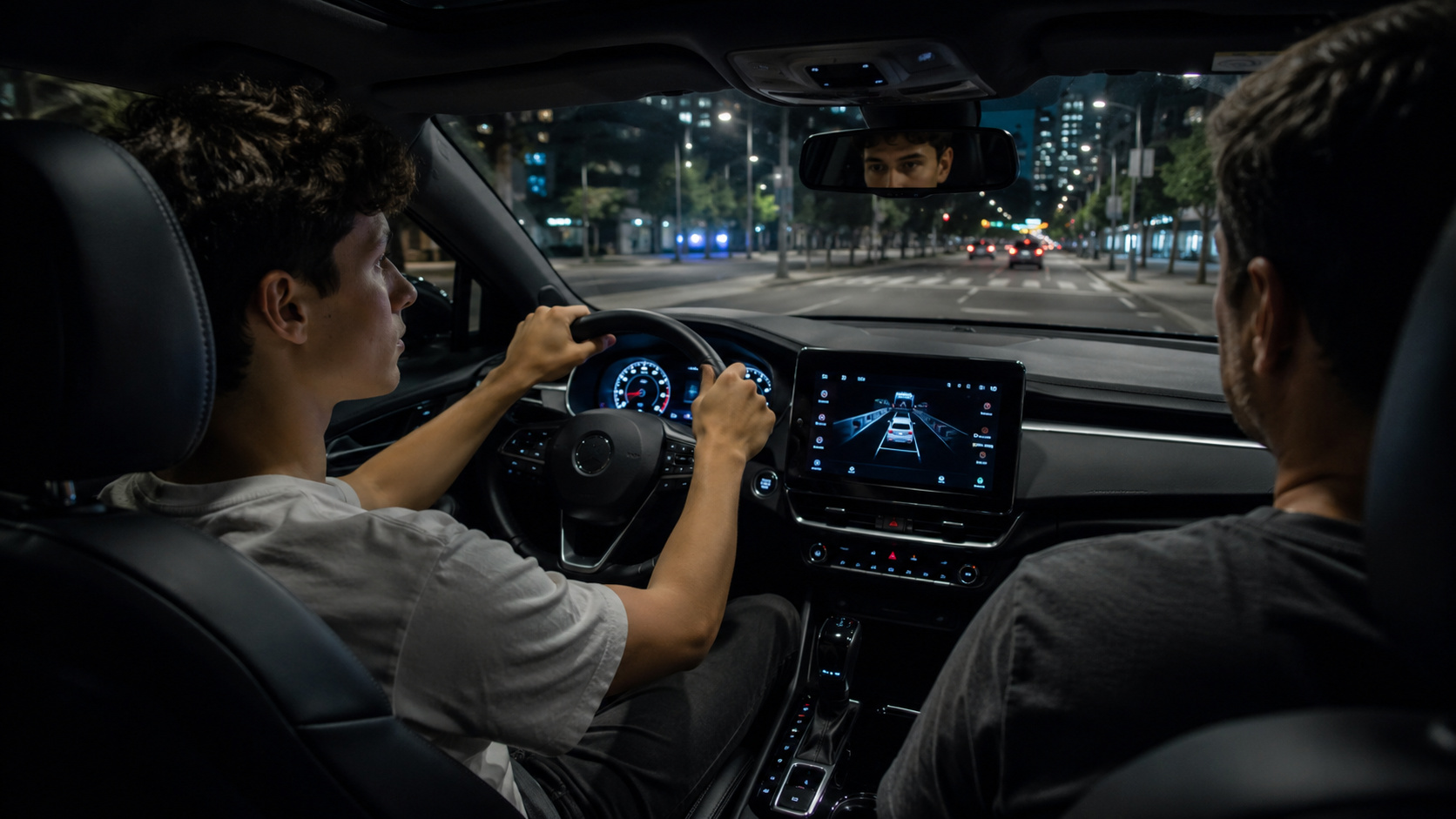
Driver’s license at 16, driving limit after midnight, and autonomous cars in Brazil: a bill that changes the Traffic Code advances in the Chamber and could transform the routine of young people, drivers, and new technologies on the streets

-
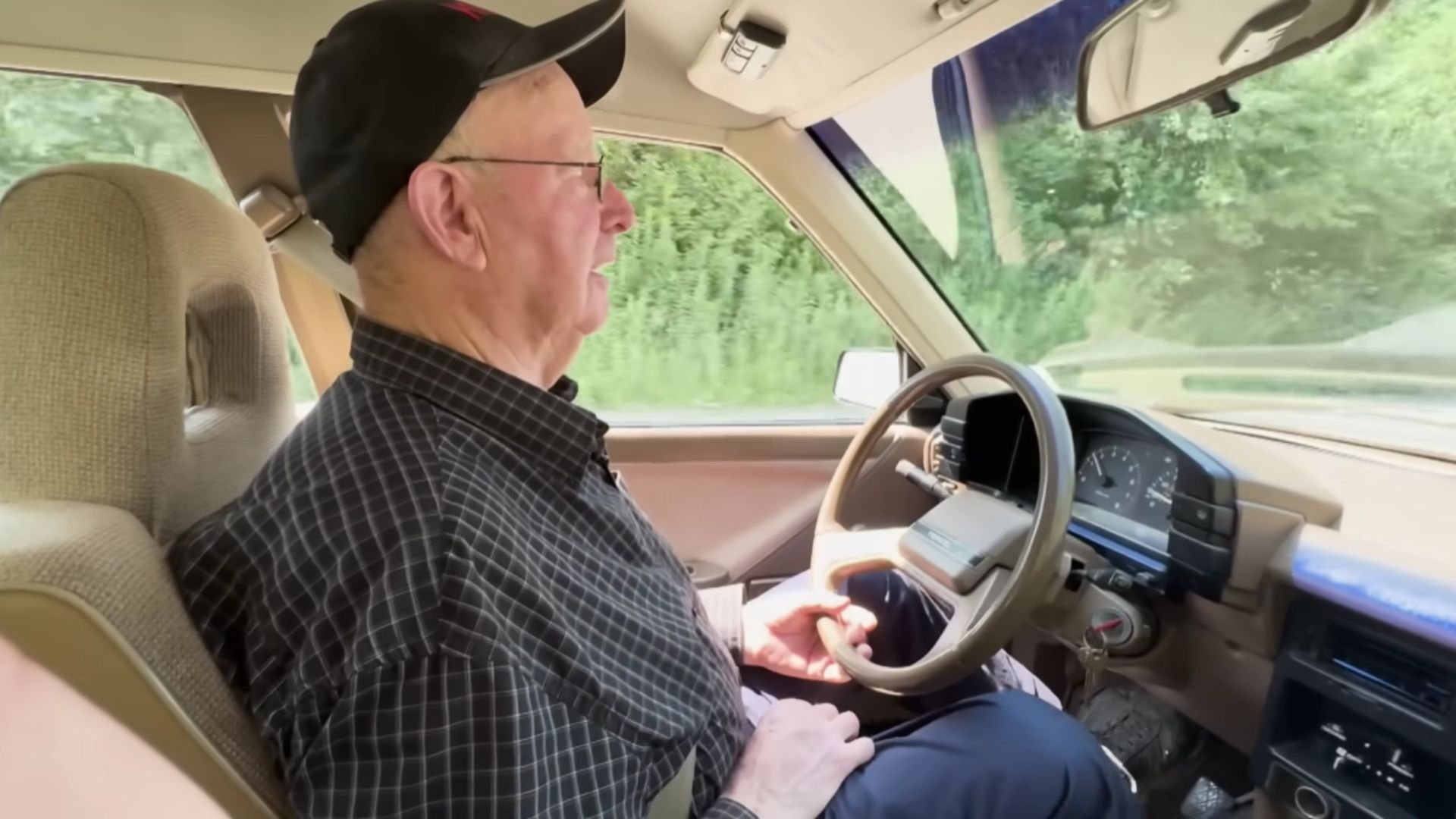
He bought a Toyota for R$ 14,000 in 1990, did all the maintenance himself for 40 years, and the car has already driven over 1.2 million kilometers without stopping, but the odometer only shows 253,000 because there is no space for the digit “1”.

-
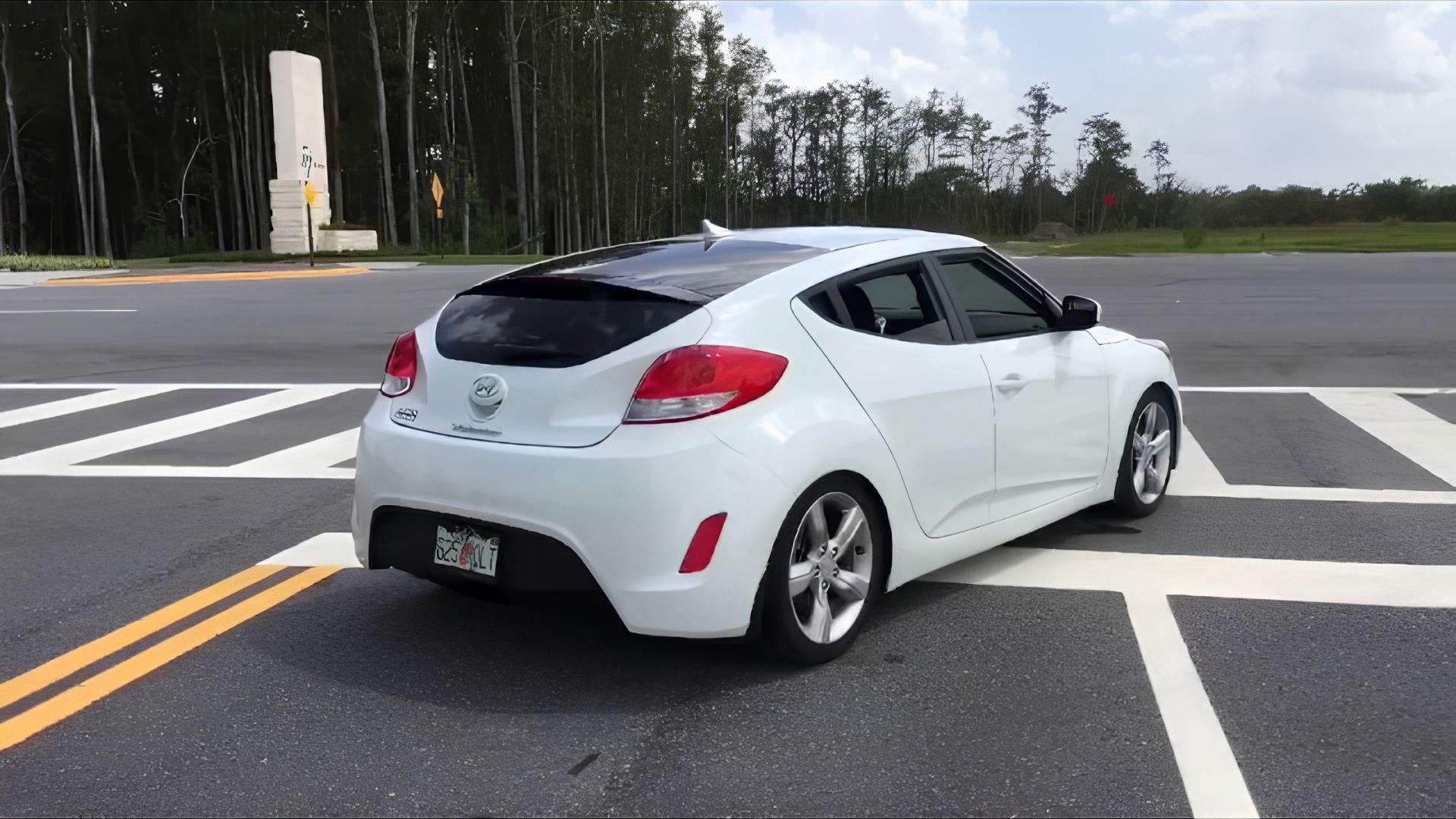
Three doors, concept look, and FIPE value of R$ 62,524: The 2013 Hyundai Veloster delivers a 1.6 engine with 140 hp, a 6-speed automatic transmission, and a design that still seems too strange to go unnoticed.
-
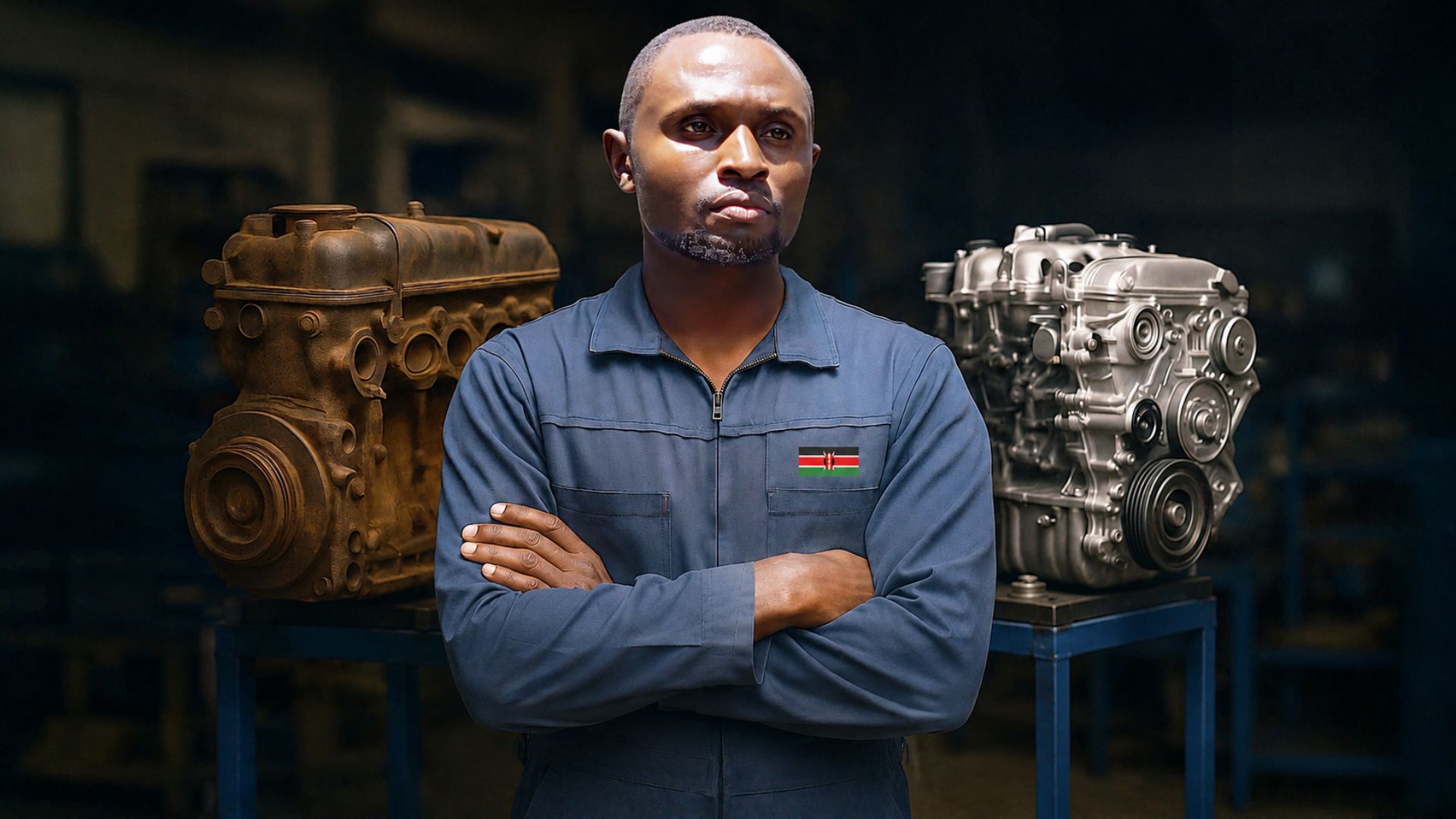
A Land Rover that used to do 1.8 km per liter now does 8 km per liter after a 34-year-old Kenyan engineer installed an ECU he designed himself, which is already being ordered from Zambia, Canada, and Pakistan.
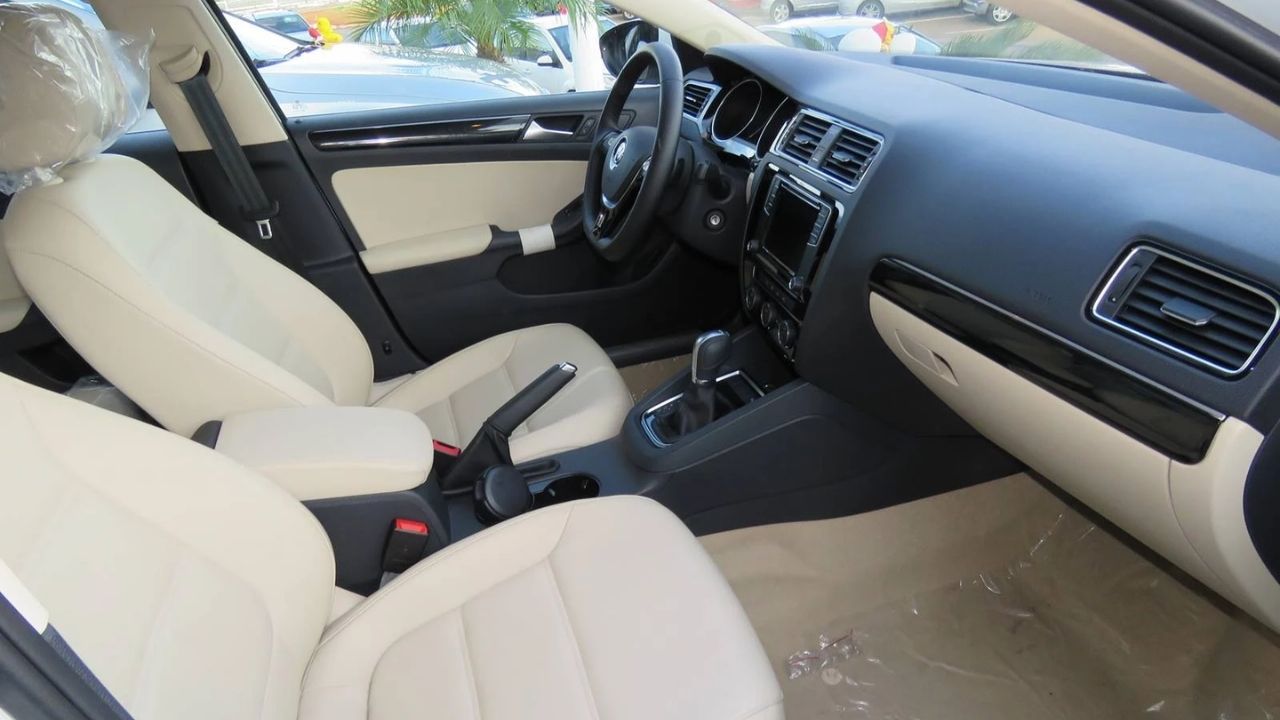
Each Automaker Has a Distinct Virtual Assistant Technology
Jeep innovated with the Adventure Intelligence system, which recommends trails and off-road routes to adventurers. BYD, focusing on electric cars, allows users to view charging points and plan optimized routes through its integrated system.
Toyota, Hyundai, and other manufacturers also offer their own app technology, with features like vehicle location, headlight activation, and maintenance alerts. The trend is clear: the virtual assistant is becoming as essential as the steering wheel and brakes in more modern models.
Technology That Learns From the User and Evolves Over Time
One of the major advances of automotive virtual assistants is the ability to learn from the driver’s habits. AI-based systems can memorize preferences, such as favorite radio stations, frequently used routes, and air conditioning temperature. Over time, these technologies become more personalized, anticipating commands and needs with greater accuracy. According to experts interviewed by CNN Brazil, this personalization makes the driving experience smoother and more natural — and it can even prevent accidents by reducing driver distractions.







Be the first to react!