Portuguese
  Spanish


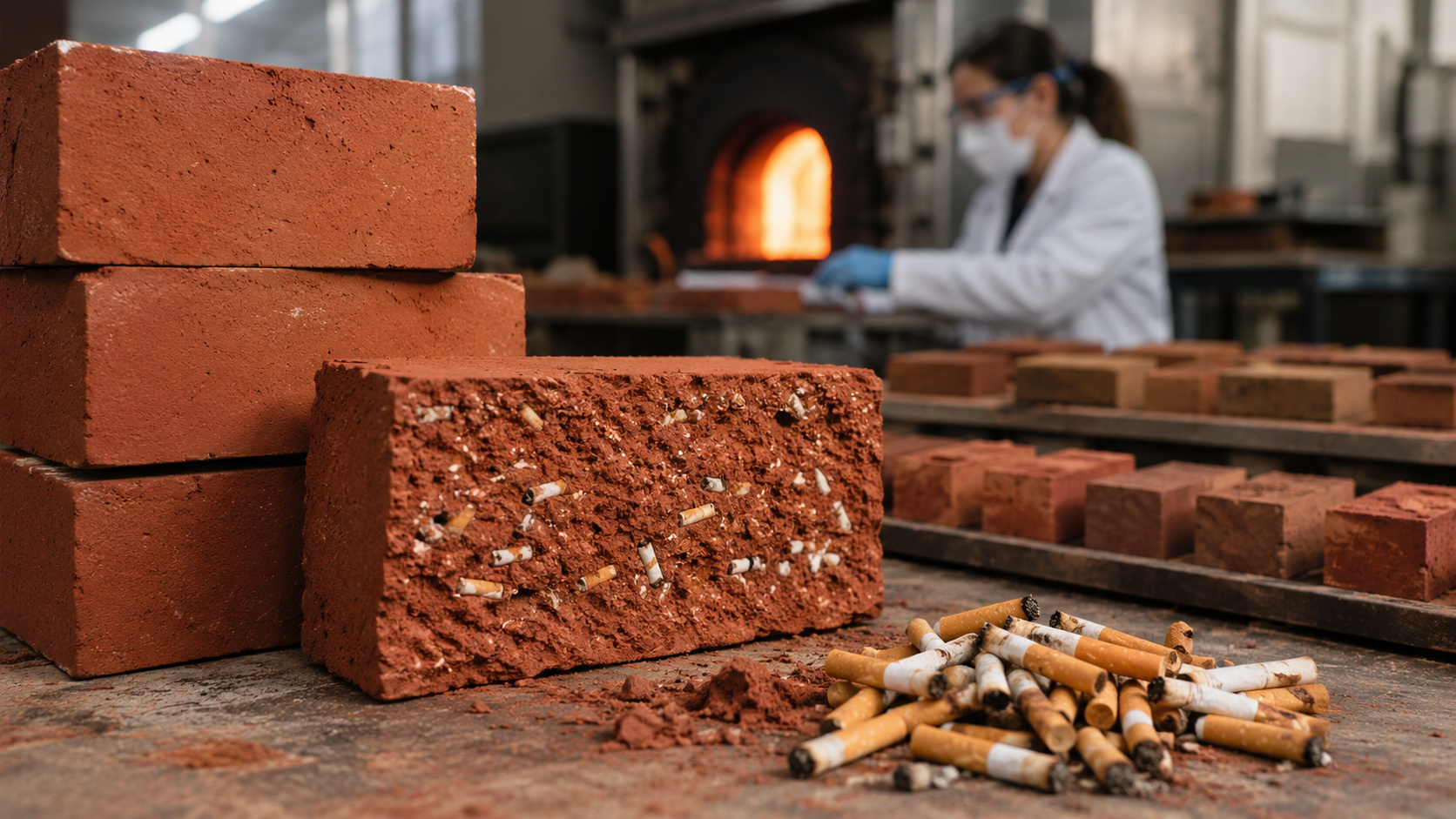

The study shows how cigarette butts in clay bricks can reduce energy in the firing kiln, reuse a common toxic waste in cities, and open a discussion about recycling in civil construction, without treating the technique as a ready-made solution for any brickworks
Cigarette butts that appear on sidewalks, beaches, and drains were tested inside clay bricks by researchers who calculated a 10% energy saving in the firing process with just 1% of the waste in the mixture.
The information was released by RMIT University, an internationally active research university, on September 22, 2020. The study brought a common, toxic, and easily recognizable urban waste closer to one of the most traditional materials in civil construction.
The result is noteworthy because firing is one of the most important stages in brick manufacturing. It is during this process that the kiln heats the clay to harden the block, a process that can take up to 30 hours.
-
28-meter, 156-ton titans traveled 20,000 km from China to the port of Santa Catarina: Portonave received 7 fully electric megacranes, part of a R$ 210 million package, to double container handling.

-
They exchanged the idea of a large house for a 35 m² warehouse, spent US$ 12,000 on the structure, and created a tiny house in Colorado with space to live and work.

-
A newly opened terminal in the middle of the Amazon has begun transporting soy and corn through Amapá, eyeing the queue of ships that is congesting the ports in the South.

-
Goodbye to old tiles: renovation technique without construction transforms bathrooms in a few hours, eliminates debris, and reduces costs with coverings using special paints, high-resistance adhesives, and modern finishes that completely renew the space.


The small waste that spreads through the streets became a target for testing in civil construction
The cigarette butt seems like a small waste, but its volume is enormous. More than 6 trillion cigarettes are produced annually worldwide, with 1.2 million tons of toxic waste discarded into the environment.
This disposal is concerning because the filter can concentrate harmful substances. The research cites butts saturated with toxic compounds, including more than 60 known to cause cancer.
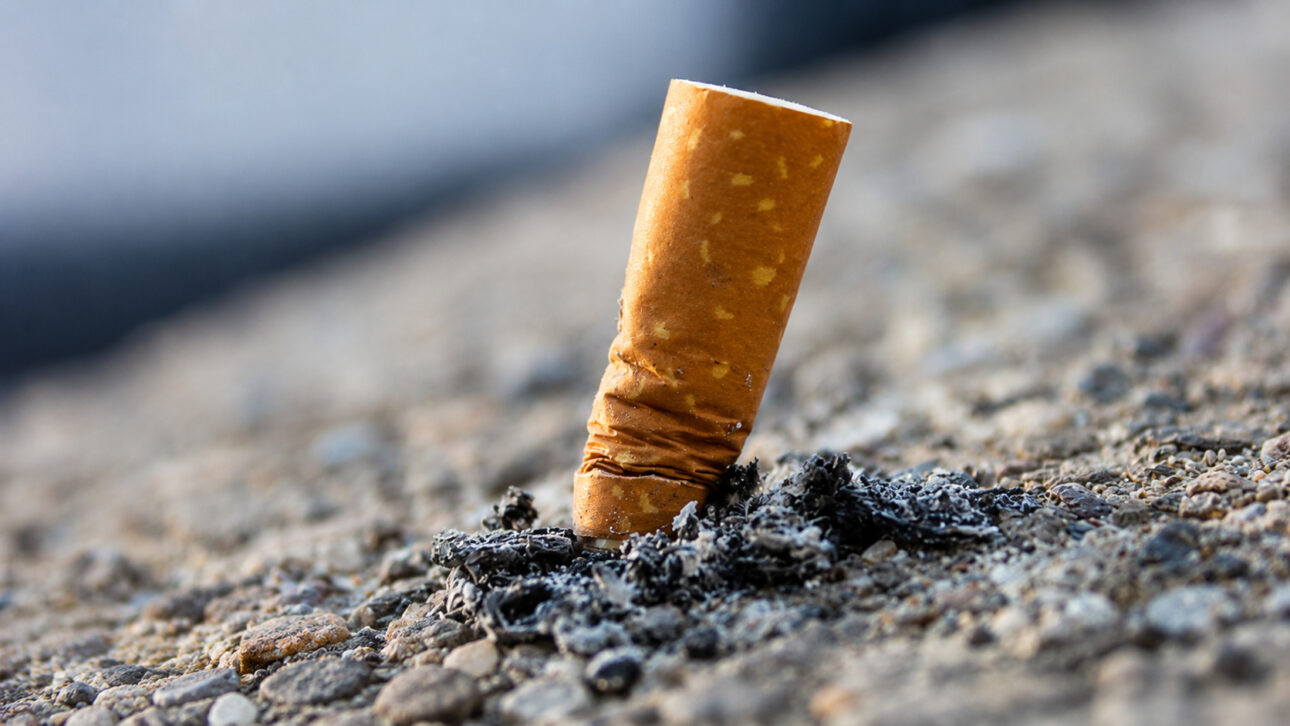
In practice, the butt thrown on the ground can be carried by rain to drains, rivers, soil, and beaches. Therefore, the study gained traction by linking a visible urban problem to a possible waste recycling route.
The proposal does not turn the cigarette into a clean product. It assesses whether this waste can be treated with control and used in a ceramic mixture, without circulating freely in the environment.
How cigarette butts enter clay bricks before firing
The test involved fired clay bricks, which are molded blocks taken to the kiln to gain hardness. Before this stage, the butts can be incorporated into the mass used in manufacturing.
RMIT University, an internationally active research university, presented different ways of including the residue. The butts can be added whole, crushed, or already mixed with other materials used in block production.
The butt becomes part of the mass before the kiln. Then, the heat acts on this mixture and transforms the material into fired brick.
But this does not mean that any brickyard can adopt the technique immediately. The process requires proper collection, separation, safe storage, well-done mixing, and kiln control.
10% savings in the kiln came from mixing with only 1% of butts
The strongest number in the study is in energy. The incorporation of 1% of cigarette butts reduced the energy needed to fire the bricks by 10%.
The explanation lies in the residue itself. During firing, part of the organic material present in the butts contributes energy inside the kiln, reducing the need for external energy in the process.
This detail matters because brick production depends on intense heat. Since the stage can take up to 30 hours, a reduction in energy consumption can have a significant impact on manufacturing.
The research also calculated a scale hypothesis. If only 2.5% of the annual global brick production incorporated 1% of butts, it could offset the annual production of this residue.
Resistance, weight, and thermal insulation also entered the analysis of the bricks
Energy savings were not the only point evaluated. The bricks also underwent analysis of resistance, weight, water absorption, and thermal insulation.
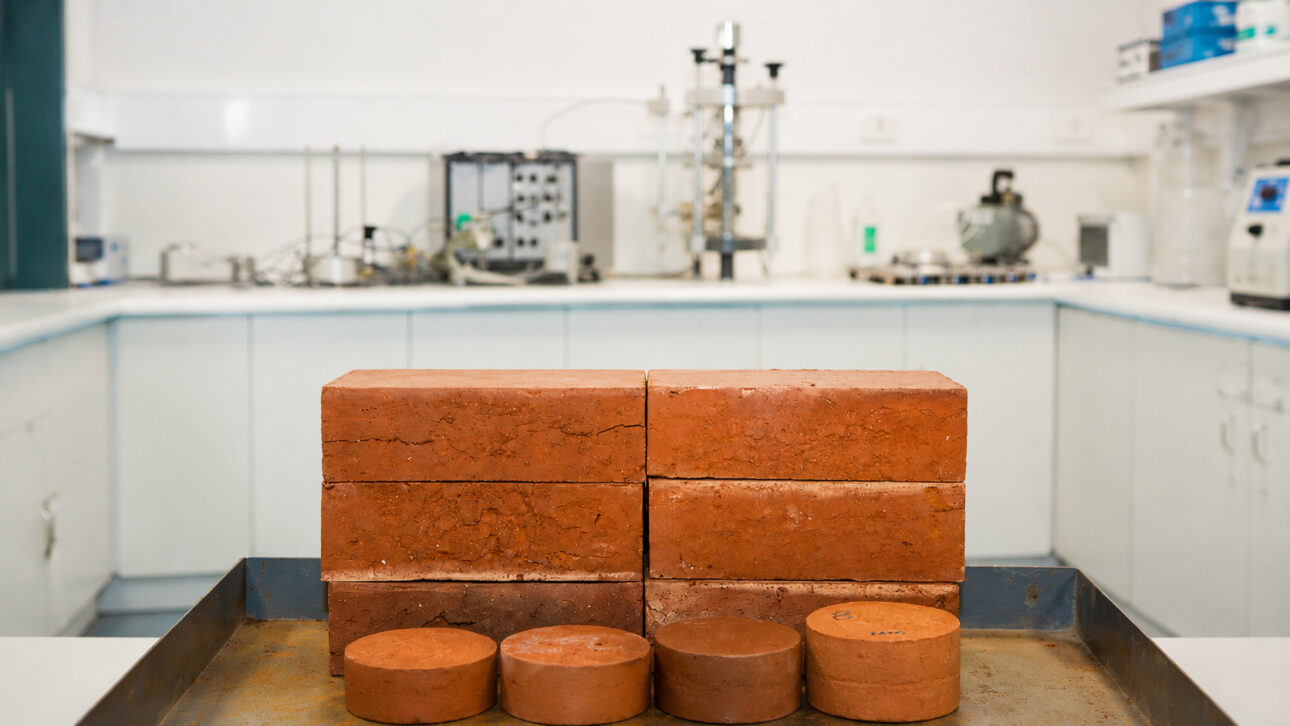
With 1% butt content, the fired clay bricks were presented as being as strong as common bricks. This is important because the block needs to withstand real use in construction.
At the same time, the presence of cigarette butts changes the structure of the material. The brick can become lighter and offer better insulation, meaning it can hinder the transfer of heat from one side to the other.
This insulation can help reduce heating and cooling costs in homes and buildings. Nevertheless, this effect depends on the final brick, the construction design, and quality control.
Water absorption and contaminants require caution before considering widespread use
The technique needs to be approached with caution. The presence of cigarette butts can increase water absorption because burning leaves small empty spaces inside the brick.
In simple terms, the block can become more porous. This does not prevent the study but requires tests to ensure that the final brick remains safe, strong, and suitable for use.
Another concern involves contaminants. Cigarette butts can carry metals such as arsenic, chromium, nickel, and cadmium, which can reach soil and watercourses when disposal occurs without control.
During burning, these metals and pollutants can become trapped inside the bricks. Even so, handling the waste before the kiln needs to follow safety rules to protect workers and prevent contamination.
Industrial scale depends on organized collection and technical control
The research also addressed large-scale application. For this, recycling cigarette butts needs to bring waste management closer to the brick industry.
This involves specific containers for collection, safe transportation, and a factory prepared to receive the material. Without this organized path, the waste remains contaminated garbage.
The idea also depends on local evaluation. Each factory uses its own clay, kiln, and production routine. Therefore, the same result cannot be automatically promised for all brickworks.
The study opens up a technical possibility but does not eliminate the need for standards, tests, and monitoring. Recycling cigarette butts into clay bricks only makes sense when there is control at all stages.
The research shows that a common urban waste can have another destination when it undergoes study, collection, and proper treatment. The combination of 1% cigarette butts and 10% energy savings in the kiln makes the topic relevant for civil construction and the environment.
At the same time, the case requires prudence. The technique does not solve cigarette disposal on its own, but it shows that even small urban waste can become an important topic when science, industry, and waste management work together.
Would you trust a construction made with bricks that reuse cigarette butts if there were tests, safety control, and inspection? Leave your opinion in the comments and share this idea.