






 Portuguese
  Spanish
  4 min of reading
  0 comments


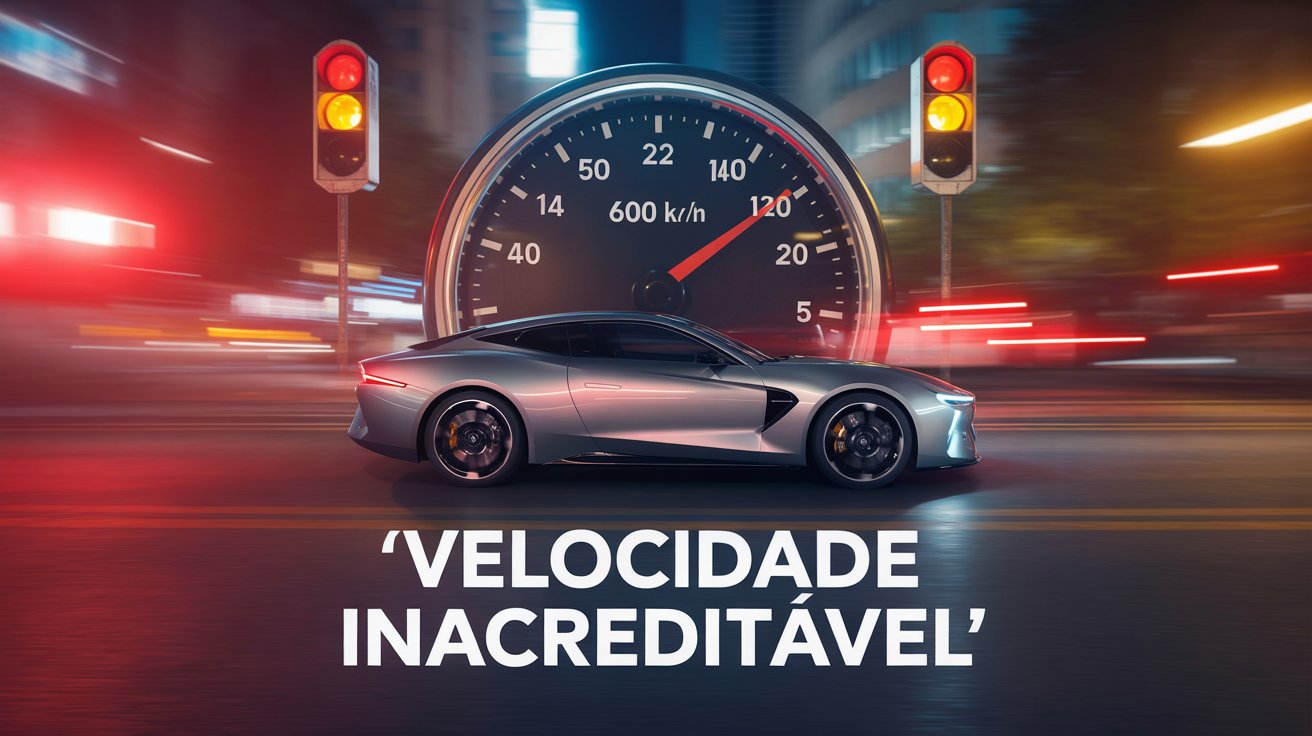
Driver Receives Fine of R$ 41,400 for Alleged Speed of 696 km/h. Discover the Error That Generated This Absurd Penalty.
An alleged traffic violation in Belgium caught the world’s attention after a radar registered an Opel Astra traveling at an incredible 696 km/h in an urban area.
The speed is close to that of a commercial jet in cruise, which immediately raised suspicions.
The case, which seems more like a comedy script than a real occurrence, exposed flaws in speed enforcement systems and sparked a debate about the reliability of these devices.
-
Central Bank changes rule that lasted decades and allows dollar and euro accounts in Brazil for exporters and companies with foreign capital, eliminating the need for currency exchange in some transfers starting in October 2026.

-
Sailor sails alone from Panama to Cuba carrying just over US$ 7,000 in food, medicine, and baby formula, spends hours at Santiago de Cuba customs, and delivers everything to Cáritas, linked to the Catholic Church, to distribute to the population.
-
In the middle of a forest in the USA, a couple transforms over 1,500 recycled tires, bottles, cans, and clay into an ecological mansion, builds 90% of the house with their own hands, and puts the nearly 7-acre self-sustaining refuge up for sale for $1.3 million.

-
Cutting board created in the Netherlands uses material made by microorganisms, measures 30 x 20 cm, and aims to eliminate microplastics that can end up in food during daily preparation.





The fine issued by the radar amounted to €6,597, approximately R$ 41,400, and was sent to the vehicle owner as if the violation was legitimate.
According to the German portal Chip.de, which revealed the case, the driver was absolutely stunned upon opening the official correspondence with the penalty.
The vehicle in question was an Opel Astra, a mid-range model popular in Europe, which, even in its sportiest versions, does not exceed 235 km/h under ideal conditions.
The claim that the car reached almost 700 km/h borders on technical absurdity, as not even supercars like the Bugatti Chiron can achieve such speeds in a controlled environment — let alone on a Belgian urban road.
An Error That Became a Joke, but Caused Headaches
The driver, suspicious of the apparent insanity of the accusation, appealed to the local traffic authority.
The investigations quickly revealed the obvious: it was a radar error.
The system had incorrect coding, which resulted in a reading completely out of reality.
The failure, as pointed out by experts, was likely caused by numerical confusion associated with human error in processing the radar data.
Despite all the confusion, the driver was not completely exempt.
After reviewing the records, it was found that the Astra was traveling at 60 km/h in a zone where the limit was 50 km/h.
In other words, the driver did commit a violation, although minor.
The revised fine amounted to around €50 — about R$ 313.50, a standard amount for this type of violation in Belgium.
Such Cases Are Rare, but Not Unprecedented
The incident drew attention not only for the exorbitant amount of the fine but also for exposing vulnerabilities in technologies considered reliable and that serve as the basis for automatic punishments.
Although situations as extreme as this are uncommon, they are not completely unprecedented.
In other parts of Europe and even in Brazil, improper penalties have been recorded due to radar speed failures.
Among the main factors that can compromise radar accuracy are: improper positioning of the equipment, direct sunlight on the sensors, overlapping vehicles at high speed, and lack of proper technical training for system operators.
A similar example occurred in France, where a driver was fined for allegedly traveling at 290 km/h in a zone where the limit was 90 km/h.
The car? A modest Renault Clio.
The case was also reviewed and resulted in the cancellation of the penalty.
What Experts Say
Traffic experts warn that reading errors in radars, although infrequent, are possible and can lead to unfair penalties for drivers.
In these circumstances, the recommendation is clear: appeal the penalty immediately through a specialized lawyer who can request an audit of the equipment and verify the calibration and maintenance of the devices involved.
In Belgium, radars are subjected to periodic technical inspections, but the overload of automated systems and the increased use of artificial intelligence for traffic control have raised new concerns.
There are also those who question the outsourcing of the maintenance of these devices, a common practice in some European countries.
According to the European road safety association, failures in automated enforcement systems not only harm innocent drivers but also jeopardize the credibility of traffic safety policies.
After all, if a radar can register an Astra at 696 km/h, how can we trust the other records produced by that same equipment?

A Reminder About the Limits of Technology
The surreal story of the Astra fined for ‘flying’ at nearly 700 km/h serves as a warning and a lesson.
As much as technology plays a crucial role in modern road safety, blind trust in automated systems can lead to grotesque errors, with financial and legal consequences for ordinary citizens.
Even with all advancements in sensors, software, and connectivity, human oversight is still essential.
When the system fails — whether due to programming errors or misinterpretation of data — it is the driver who bears the consequences, often unjustly.
This case also highlights the importance of public policies that ensure transparency, quick review of contested fines, and legal accessibility for drivers facing such situations.
Have you ever been in a situation where a radar recorded an incorrect speed? Or do you know someone who was unjustly fined? Share your story with us in the comments!






Be the first to react!