Portuguese
  Spanish


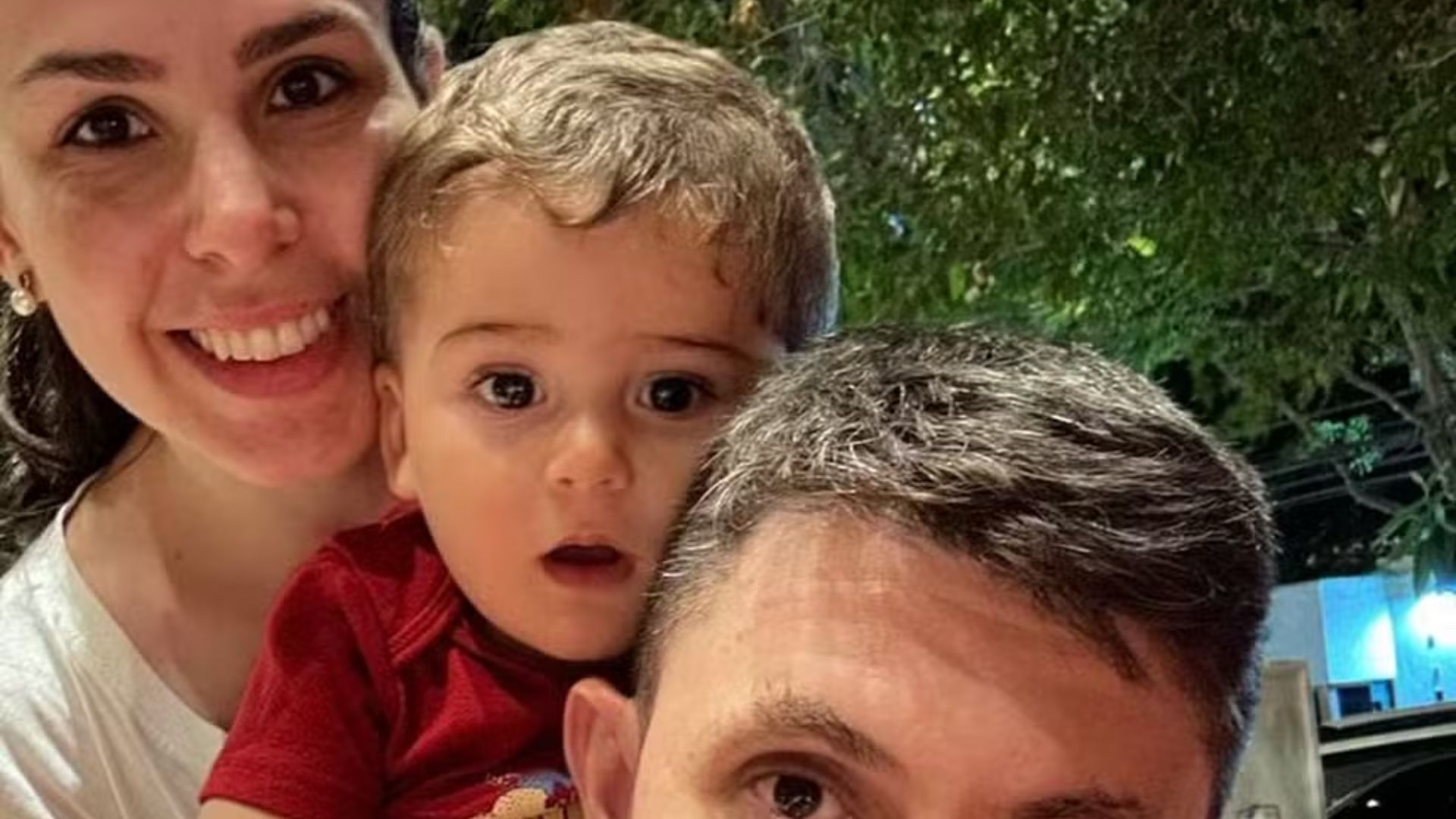

Native of Patos de Minas, Eduardo Amaral, known as Dudu, was the first case of SPG50 diagnosed in Brazil. After four months in Dallas, Texas, receiving experimental gene therapy, the family landed in the country on June 13, 2026, celebrating the halt of the disease’s progression.
The boy Eduardo Amaral, only 3 years old and from Patos de Minas, in Alto Paranaíba, has just starred in a story that mobilized thousands of people. Affectionately known as Dudu, he was the first Brazilian diagnosed with Hereditary Spastic Paraplegia Type 50, SPG50, an ultra-rare genetic disease affecting fewer than 100 people worldwide. After four months in the United States, he returned to Brazil following an experimental treatment that, according to doctors, managed to halt the progression of the condition that threatened to impair his ability to walk and later move his arms.
The family landed on Brazilian soil on June 13, 2026, after a season in Dallas, Texas, where the boy received experimental gene therapy designed to combat the disease. The parents celebrate the achievement and speak of a cure on social media, but the medical team is more cautious and describes the result as the halt of SPG50’s progression. The treatment began on March 11, 2026, and ended a race against time. The information was released by g1, based on interviews with the family and the doctors following the case.
Who is Dudu and what is SPG50
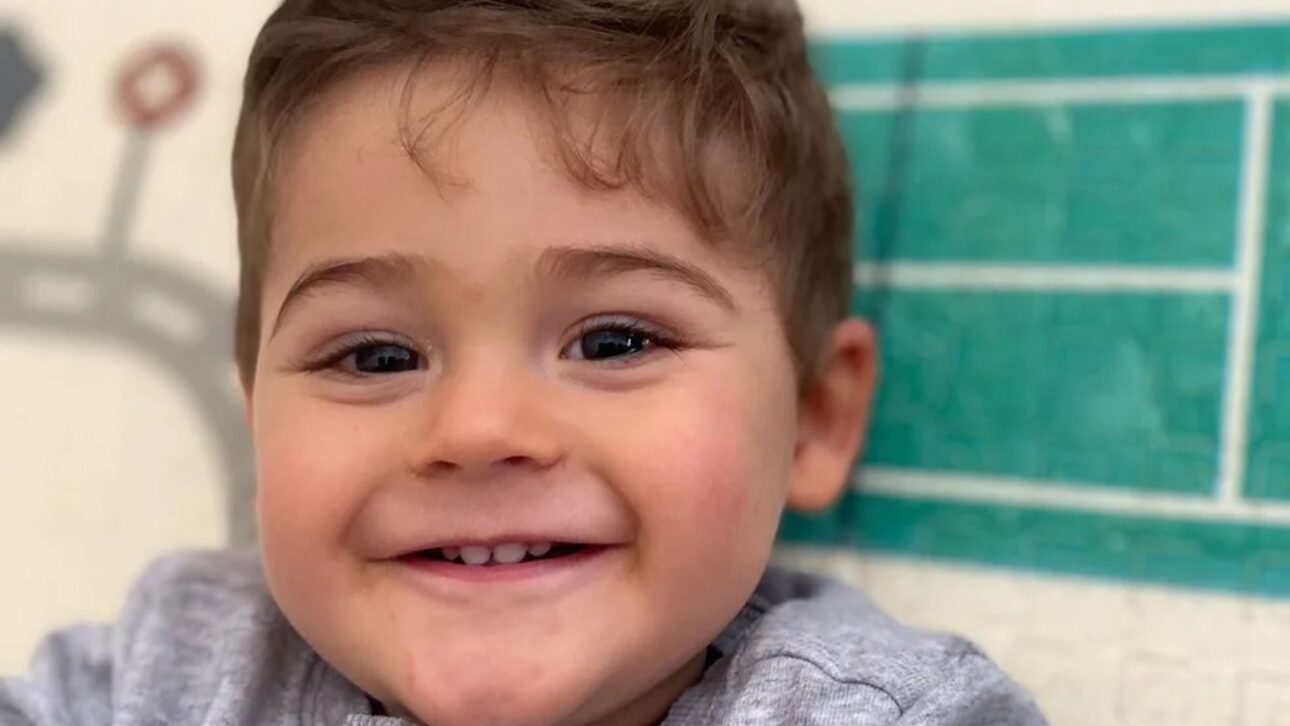
The genetic disease is caused by mutations in a specific gene of human DNA, transmitted hereditarily through the so-called autosomal recessive pattern. In practice, this means that the condition only manifests when both parents carry the mutation, even without showing symptoms, and pass the altered gene to the child. In the boy’s case, the genetic mutation was in the AP4M1 gene, and he received both compromised copies.
-
ispace Pays SpaceX $50 Million to Hitch a Ride on Starship, Aiming for a Shared Commercial Route to the Moon by 2030

-
Solar-Powered Cell Tower to Connect 10,000 Residents on Remote Brazilian Island, Reducing Diesel Dependence
-
Snowman-shaped asteroid captured by Hayabusa2 probe during flyby just 10 km away

-
Scientists Discover Clue in Rodent Brains Explaining Why Early Childhood Memories Fade Over Time


This genetic disease belongs to a group of degenerative neurological conditions marked by the progressive death of neurons linked to the motor part of the body. Children with this mutation often become paraplegic around the age of 10 and, by 20, also lose movement in their arms, becoming quadriplegic. The condition causes progressive muscle stiffness, leg weakness, and difficulty walking, as well as possible delays in motor development and mild cognitive changes.
The burden of a disease affecting fewer than 100 people worldwide
The rarity of SPG50 is hard to measure. According to Dr. Marcondes França, a professor of Neurology at Unicamp and coordinator of the Neurogenetics Department at the Brazilian Academy of Neurology, there are more than 90 types of these diseases, with some manifesting in adulthood and others in childhood. Type 50 is among the rarest of all.
Experts estimate that there are fewer than 100 cases of the condition worldwide. In the total group of these diseases, the proportion is about five cases per 100,000 people, according to the neurologist. This scenario helps to understand why Eduardo Amaral’s diagnosis was treated as a medical milestone in Brazil, being the first record of SPG50 in the country.
The gene therapy that changed Eduardo Amaral’s routine
The treatment applied to Dudu is an experimental gene therapy developed to correct the mutation responsible for SPG50. Simply put, the medication seeks to repair the alteration in the DNA that causes the disease. The drug used, called Melpida, was created within the scope of an international research project specifically for this ultra-rare condition.
For geneticist Luciana Vinhal dos Santos Ferreira, who has been following the case since diagnosis, the gene therapy represented the chance to halt the progression of the disease, which until then had an unfavorable prognosis. The main goal of the treatment was to stop the progression of SPG50 and prevent the boy from losing abilities, with no guarantee of complete reversal of the condition. The doctor herself emphasizes that each patient may respond differently, but just stopping the progression of such a severe disease already represents a huge victory. The success of this gene therapy paves the way for other children with the same condition.
Nine months of campaigning and a race for millions


Dudu’s arrival at the treatment was not simple. It took nine months of campaigning to make the dream possible, with raffles, donations, and support chains organized by his parents, Débora and Paulo Amaral. The family’s initial goal was R$ 18 million, and the fundraising was closed on June 6, 2025, when an anonymous donor deposited the remaining R$ 126,000 and ended the campaign at once.
The emotion, however, gave way to a new challenge. Due to funding cuts for studies in the United States, the family needed to raise an additional US$ 1,150,000 to keep the treatment going. The new goal was only completed in February 2026, when Débora and Paulo announced in a video that the additional amount had been reached, in a victory they described as being for all of Brazil.
The research behind the treatment
Dudu’s story intersects with that of other families around the world. At two years old, the boy began participating in research conducted by Elpida Therapeutics, a non-profit association created by Terry and Georgia Pirovolakis, parents of another child with the same condition. The initiative’s goal is to seek a cure for the couple’s own son and other children affected by the genetic mutation. The research has always focused on reversing the effects of this rare genetic mutation.
In 2024, the association ran out of resources to maintain the study, and the families of eight assisted children, including Eduardo Amaral, decided to raise the necessary funds for their children to continue the treatment. The gathered amounts were allocated to the operational expenses of the research, such as health insurance and transportation for the children. The boy’s journey was documented for an international documentary about children undergoing experimental treatment.
What lies ahead
Even with the positive outcome, Eduardo Amaral’s path still requires monitoring. The next step will be to observe the body’s response to the treatment and stimulate his development through multidisciplinary therapies, such as physiotherapy, occupational therapy, and speech therapy. For the doctors, the stimulations remain essential to show what gains the boy may present over time.
The specialists remain optimistic, but with caution. The geneticist accompanying Dudu states that it is still too early to predict what his life will be like from now on, as everything will depend on the response to the medication and therapies. The father, Paulo Amaral, summarizes the new moment with relief: now the son returns to intensive therapies, but this time without the advancement of SPG50 to hinder him.
And you, do you know any family that has faced a rare disease like Eduardo Amaral’s? Leave your message of strength for Dudu and for all who are still fighting for treatment in the comments.