






 Portuguese
  Spanish
  3 min of reading
  3 comments


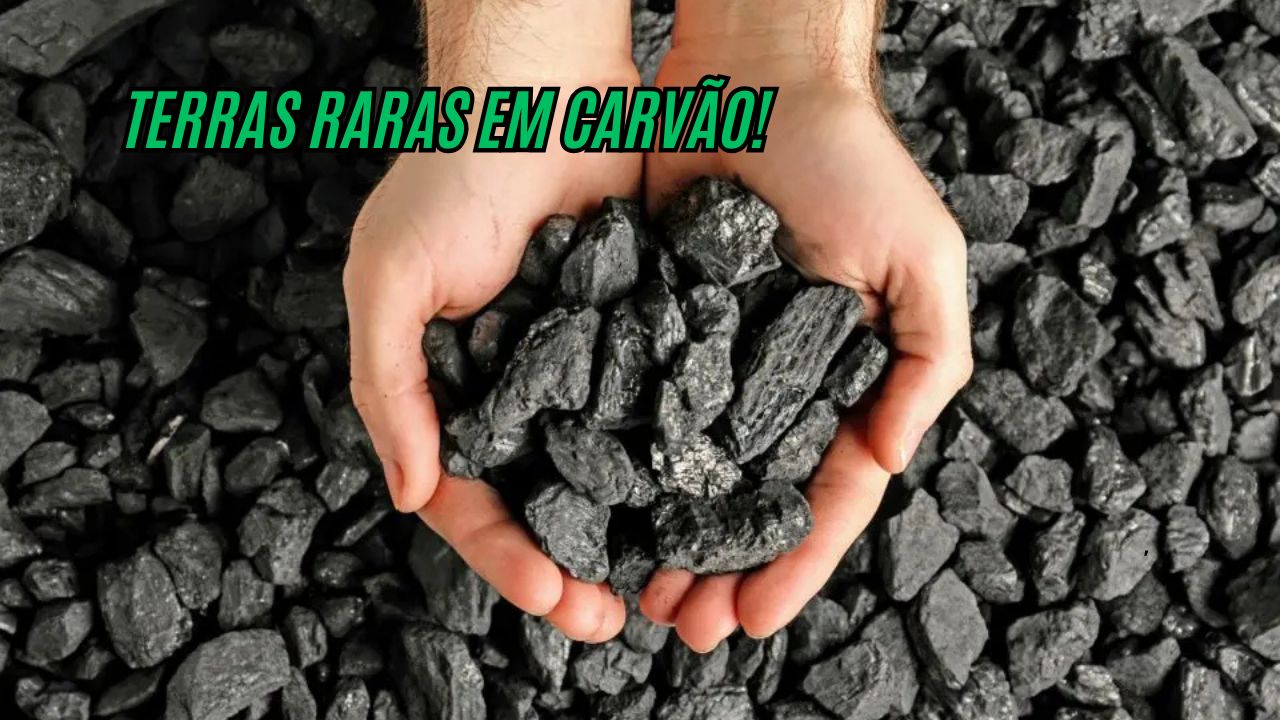


The Discovery of Rare Earth Elements in Coal Ash Could Be the Push Needed to Accelerate the Production of Motors and Batteries, Propelling the Treasure for Electric Cars.
For decades, coal ash was seen only as a polluting and useless waste. Today, researchers have discovered great potential within it: the so-called rare earth elements are present in this residue and promise to change the game, serving as a true treasure for electric cars and other high-tech devices.
Rare earth elements are a group of 17 chemical elements essential for the production of advanced technological components, such as long-lasting batteries, super powerful magnets, and more efficient solar panels.
Until now, dependence on imports—mainly from China—has kept Europe and the United States on alert regarding the supply of these materials. Therefore, the finding in coal ash raises expectations, offering a treasure for electric cars that could reduce costs, environmental risks, and external dependence.
-
Helicopter Drops 180 Tons of Sand and Gravel on Swedish River to Revive Ecosystem Damaged by Decades of Exploitation

-
Brazilian Company Launches Retro Smartphone with 48 MP Camera, T9 Keyboard, and Privacy Features for Social Media-Free Use

-
Self-Taught Chinese Farmer Builds 5-Ton Submarine from Scrap, Launches It in Anhui River
-
Invisible Induction Technology Enables Wireless Power for Blenders, Coffee Makers, and Air Fryers, Reducing Countertop Cables





Rare Earth Elements as a Byproduct of Coal Combustion

The breakthrough comes from recent studies, including one from the University of Texas in the United States, which revealed significant quantities of rare earth elements in this byproduct of coal combustion. According to the research, the potential is so great that, if effectively exploited, it could generate millions of tons of these elements, far exceeding current national reserves.
This means transforming an old environmental liability into an opportunity to boost the energy transition toward more affordable electric vehicles and a more robust renewable energy production.
Until then, coal ash was used in more limited applications, such as a substitute for cement in construction, the manufacture of bricks, or oil spill filters. Much of the material, however, ended up in landfills, posing risks of soil and groundwater contamination. Now, with the focus on rare earth elements, the chance to intelligently and profitably reuse this waste is on the table.
The Use of This Treasure for Electric Cars Is Not Limited to the United States
The use of rare earth elements is not limited to the United States. In Europe, countries such as the Czech Republic and Spain have also found promising signs of this resource in coal ash. With global demand for electric motors, wind turbines, and solar panels growing, every gram of this treasure for electric cars can make a difference in building a greener, self-sufficient future that is less dependent on imports.
However, the challenge is not only to extract the rare earth elements: it is necessary to develop efficient recovery technologies and processes, in addition to balancing economic benefits with environmental protection and the safety of local communities. With advancements in research and the search for cleaner solutions, what was once merely gray dust could become the key to a technological, financial, and sustainable leap.
In summary, the discovery of rare earth elements in coal ash marks a turning point. A previously neglected source could now transform into the treasure for electric cars and other innovations, bringing the world closer to a more balanced, less polluting, and widely accessible energy era.





Carvão mineral ou vegetal?
Uai se queimam o carvão gera muita poluição não entendi onde está a eficiência a eficiência para o meio ambiente.
Silente Hill então vai valorizar