






 Portuguese
  Spanish


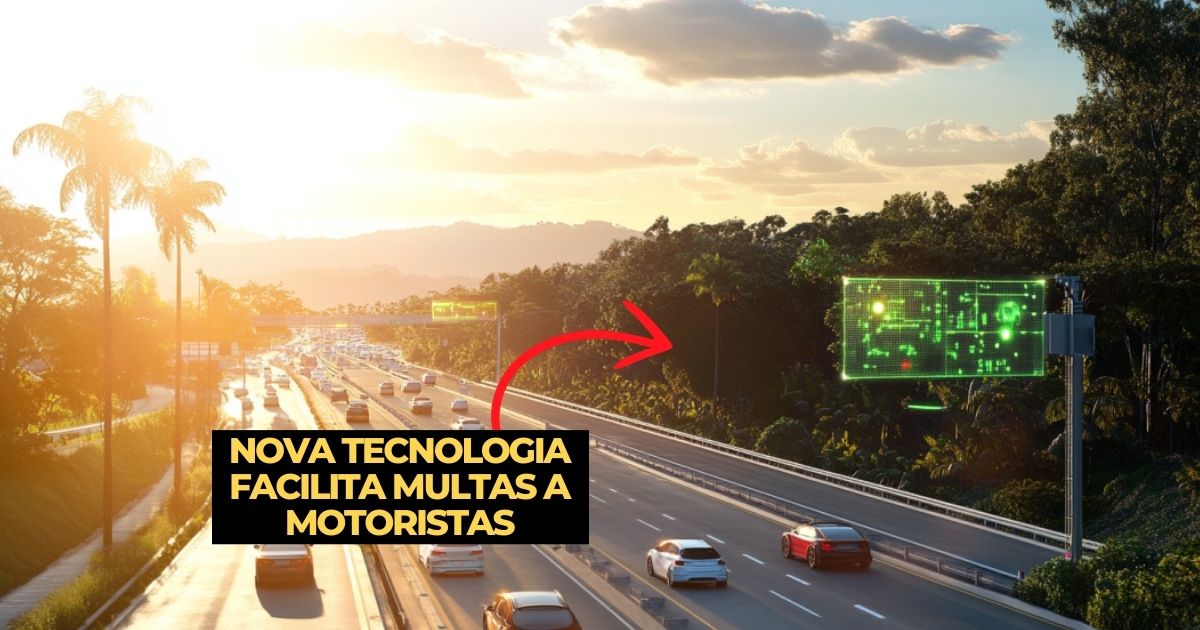

Intelligent Radars Arrive on Brazilian Highways to Punish Illegal Overtaking and Reduce Serious Accidents. Will This Be the Definitive Solution to Curb Carelessness on the Road?
In a new move to curb infractions and ensure greater safety on the roads, highways from north to south of Brazil have begun to feature advanced radars that not only facilitate the issuance of fines, but also promise to curb one of the riskiest behaviors of drivers: illegal overtaking.
These new devices, equipped with high technology, have transformed traffic monitoring, surprising drivers and putting under scrutiny the offenders who challenge the safety of all.
In Brazil, overtaking in prohibited areas is among the most common and dangerous infractions on the roads, putting at risk the lives of drivers, passengers, and pedestrians.
-
2027 Toyota Corolla Cross Unveiled: New Design, Enhanced Fuel Efficiency, Reduced Maintenance Costs, Advanced Technology, Connected Services, and Up to 10-Year Warranty

-
Fiat Cronos Precision 2018: Affordable Sedan with Spacious Trunk and Reliable Maintenance
-
Volkswagen to Cut Production by 1 Million Cars by 2030, Reducing Jobs and Platforms, Focusing on More Profitable Models

-
Toyota Launches First 100% Electric Car in Brazil: bZ4X with 343 HP, All-Wheel Drive, 361 km Range, Priced at $419,990 BRL, Limited to 99 Units




According to the Brazilian Traffic Code (CTB), illegal overtaking, especially in areas of low visibility or high risk, is considered a very serious infraction.
With the arrival of the new radars, control over these practices is more stringent, allowing for precise and rapid detection of infractions and punishing reckless drivers severely.
Illegal Overtaking and Severe Penalties
The Brazilian legislation, through Article 203 of the CTB, lists areas where overtaking is strictly prohibited.
These locations include sharp curves, hills and declivities with no visibility, crosswalks, bridges, overpasses, tunnels, and stretches with solid lines dividing lanes.
According to the legislation, overtaking in these areas represents a high risk of accidents, which is why the infraction is classified as very serious.
Drivers caught engaging in illegal overtaking are penalized with a fine of R$ 2,934.70 and receive 7 points on their driving license.
In some cases, recklessness can lead to the suspension of the right to drive, creating a safer environment on the roads.
These penalties seek to alert drivers to the dangers of disregarding traffic rules and discourage reckless behavior.
How Do the New Radars Work?
To intensify monitoring of illegal overtaking, new cutting-edge radars have been deployed on Brazilian highways.
An example is the solid line radar, developed specifically to capture images of vehicles that overtake in areas where it is prohibited.
These radars use motion sensors and high-precision cameras, which record the exact position of vehicles in relation to the solid line, clearly and undoubtedly demonstrating any attempt at illegal overtaking.
Computer Vision Technology Enhances Safety
In addition to solid line radars, radars equipped with intelligent cameras are playing a crucial role in combating dangerous overtaking.
This computer vision technology allows for real-time monitoring of vehicle trajectory and speed, identifying any infractions.
The data is automatically sent to the Detran system, which processes the information and issues fines, ensuring that offenders are held accountable for their actions.
The Impact of the New Radars on Highway Safety
The implementation of this technology not only facilitates the issuance of fines, but also serves as a powerful incentive for drivers to respect traffic rules.
The presence of these devices on Brazilian roads has significantly contributed to reducing the number of serious accidents, resulting in safer highways for everyone.
According to experts, the modernization of monitoring systems is essential to promote safer traffic and to reverse the alarming rate of accidents caused by dangerous overtaking.
Do you think this new radar technology will really succeed in reducing the number of accidents on Brazilian highways?









Absurdo é aumentar a indústria sem dar condições de boas estradas.
Industria da multa. Não melhoram estradas, não ampliam, não consertam, enchem de radares, os caminhões ocupam todas as faixas que existem e, do sul até SP e vice-versa, fazem uma fila impossivel de ultrapassar na Regis Bittencourt. 24 hs por dia. Se for viajar de carro vá pelo litoral, br 101.
A Regis é um inferno.
Falar que esta indústria de multas diminui os acidentes é uma grande mentira. Eu sou vendedor, viajo quase 1.000 km por semana e observo que aumentaram muito as faixas continuas em trechos que não era, claro que é pra viabilizar mais multas. O que deve diminuir o número de acidentes é habilitar motoristas que realmente sabem dirigir. As auto escolas não ensinam dirigir, ensinam tirar a CNH.