





 Portuguese
  English
  Spanish
 6 min of reading
  0 comments


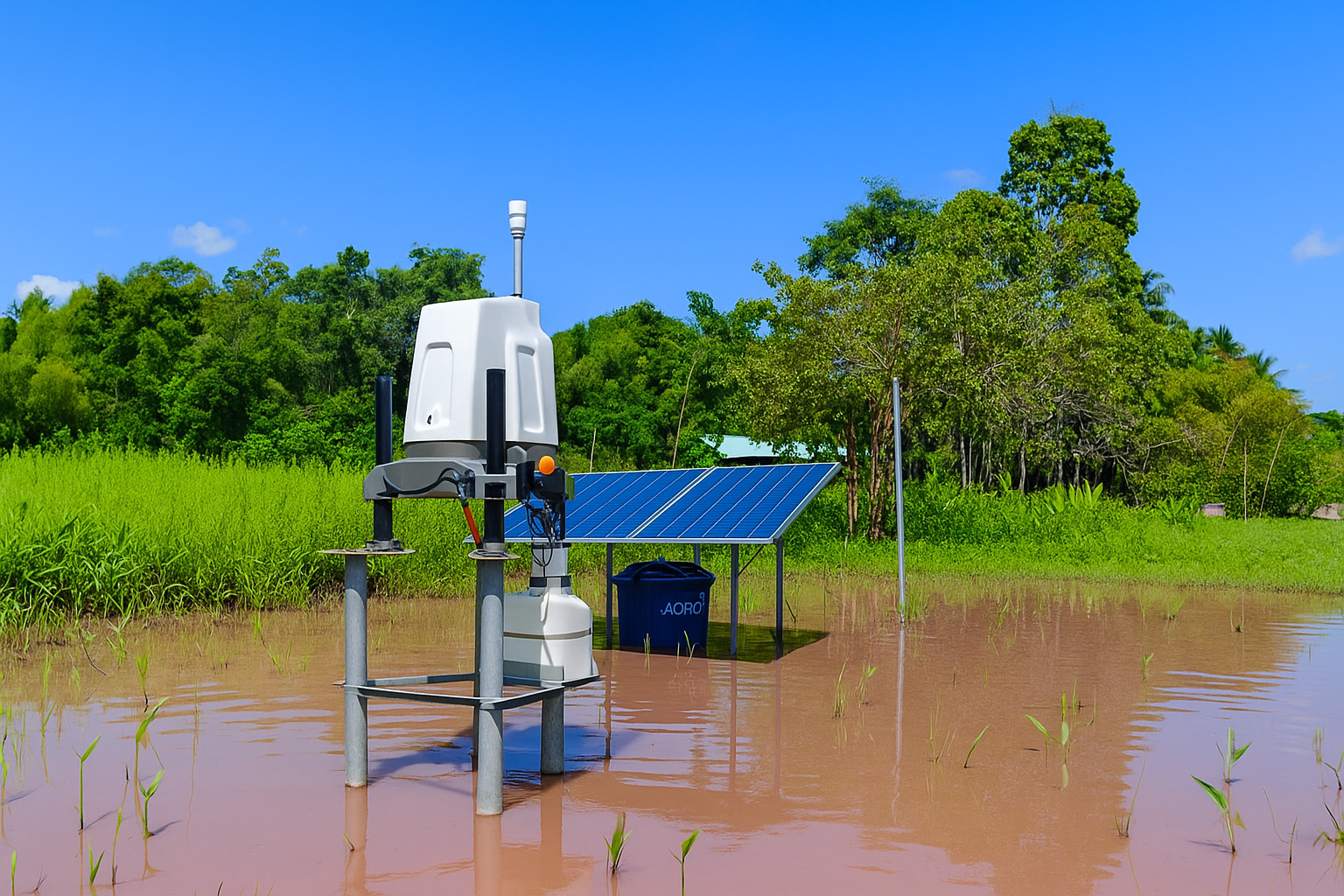
Discover How the Amapá Solar Atlas Helps Contribute to the Growth of Clean Energy, Encouraging Investments and Strengthening the Energy Transition in the State and Brazil.
Recently, the Amapá Solar Atlas received national recognition for its significant contribution to the development of clean energy in Brazil.
Indeed, FGV Energia awarded the project as “National Good Practice”, highlighting its ability to gather accurate and detailed information about the solar potential of the state.
Furthermore, the Atlas manages to attract investments and strengthen the energy transition in a strategic region of the country.
-
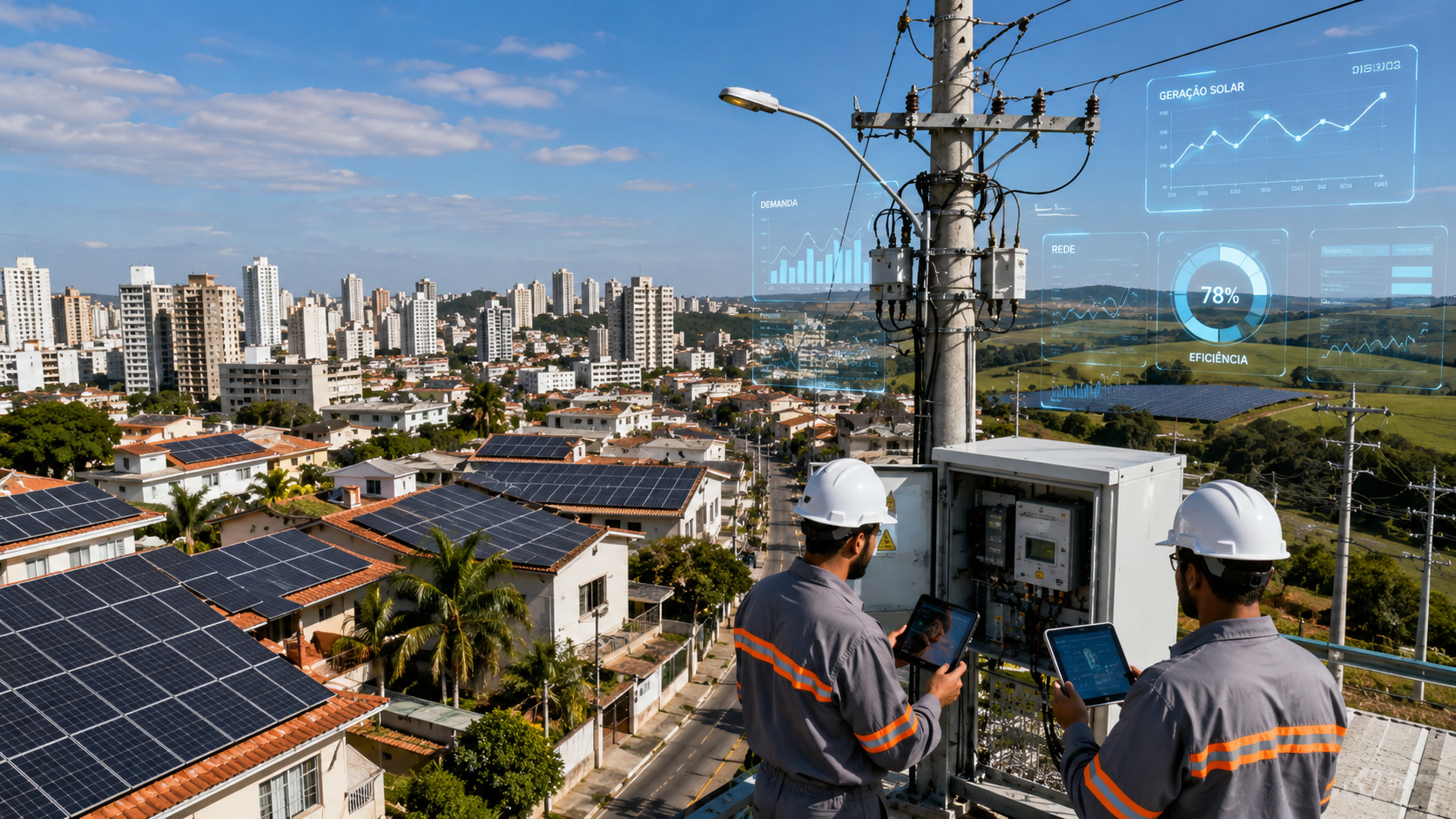
Now it’s law: energy distributors can be penalized for hiding data about solar energy in MS; The measure increases market transparency, reduces barriers for consumers, and accelerates the expansion of distributed generation in the state.

-
How the “solar cat” became a billion-dollar threat to the Brazilian electrical system and put ANEEL on high alert after the explosion of photovoltaic energy, clandestine frauds, and the growing risk of network collapse
-
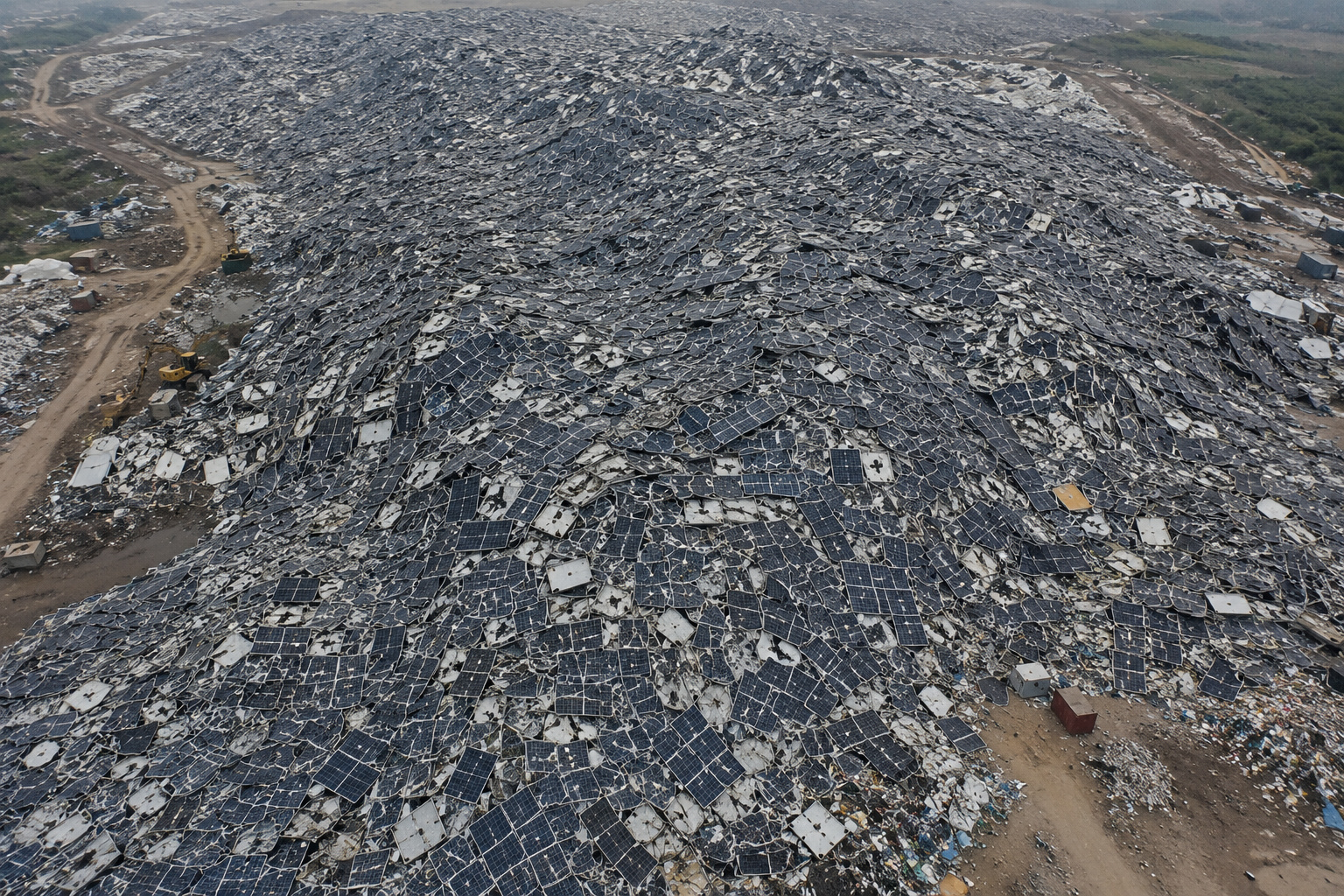
Solar energy covered rooftops and deserts, but now it’s preparing a mountain of old glass: up to 78 million tons of photovoltaic panels could become waste by 2050 as the world races to recycle the shiny skin of the energy transition.

-
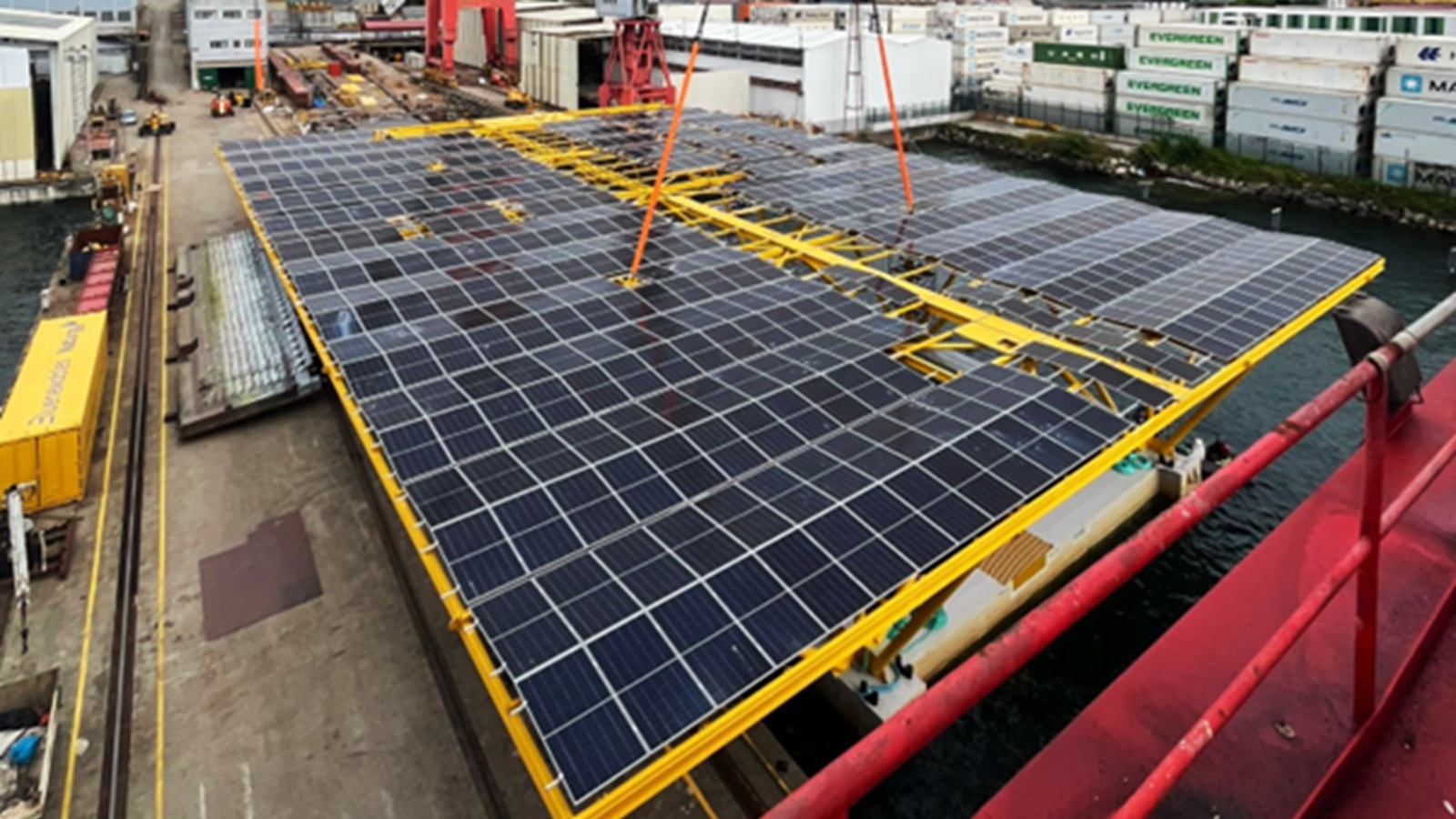
Company launches floating solar platform at sea to test bifacial panels and generate renewable energy in coastal waters


The project emerged in August 2024, precisely at a time of growing concern for sustainability and the need for diversification of the Brazilian energy matrix.
Moreover, Amapá faced historical challenges in energy supply, including major blackouts, such as those in 2020.
Consequently, these episodes highlighted the vulnerability of the electrical system and reinforced the urgency of initiatives aimed at renewable sources.
Therefore, the Amapá Solar Atlas seeks to contribute to the growth of clean energy by providing detailed data on solar generation capacity throughout the state.
With 76 pages, the material presents not only technical information but also geographically contextualizes the potential of each municipality.
Additionally, researchers collected accurate measurements at stations installed in strategic cities, such as Santana, Laranjal do Jari, Porto Grande, Ilha de Maracá, Jipioca, and Tartarugalzinho.
In this way, data updates in real-time, allowing investors and public managers to make informed and secure decisions.
Moreover, the Atlas plays an educational role.
It promotes scientific knowledge about renewable energies and, consequently, helps students and researchers better understand the challenges and opportunities in the sector.
Thus, the project strengthens regional development and contributes to the formation of professionals committed to energy sustainability.
Partnerships and Strategic Planning for the Growth of Clean Energy
Historically, the development of solar energy in Brazil began timidly, with experimental programs and few economic incentives.
However, starting from the 2010s, the expansion of renewable sources gained momentum, driven by public policies, reduction of technological costs, and increased environmental awareness.
For this reason, initiatives like the Amapá Solar Atlas become fundamental to contribute to the growth of clean energy, stimulating investments and fostering distributed and large-scale generation projects.
The Senai Institute of Innovation in Renewable Energies (ISI-ER) and the Ministry of Science, Technology and Innovation (MCTI) conducted the project, also counting on support from parliamentary amendment by Senator Davi Alcolumbre, the idealizer of the initiative.
Thus, the collaboration between public agencies, research institutions, and political representatives reinforces the importance of joint efforts to promote renewable energies.
Additionally, it emphasizes that the energy transition depends not only on technology but also on strategic policies, planning, and cooperation among sectors.
Indeed, Wandenberg Pitaluga, president of the Amapá Economic Development Agency, stated that the Atlas presents practical solutions for electric supply problems and highlights the great potential of the state in generating clean energy.
Amapá has a privileged geographical location, with high solar incidence throughout the year, allowing it to surpass some of the largest photovoltaic plants in China.
Therefore, this characteristic places the state in a strategic position to attract investments and develop projects that consistently contribute to the growth of clean energy in the country.
Solar Measurement and Real-Time Data
The launch of the Amapá Solar Atlas also included the installation of solar measurement stations in various cities of the state.
These devices capture detailed information about solar radiation intensity, allowing for precise analyses of the viability of photovoltaic parks.
Moreover, access to real-time data makes project planning more secure and reliable, reducing risks and attracting investors seeking sustainable opportunities.
The Secretary of Mining of Amapá, Mamede Barbosa, emphasized that the state’s location is strategic for investments in solar energy.
He reinforced that the solar potential of Amapá even exceeds that of Germany, a country globally recognized for its intensive use of photovoltaic energy.
Currently, 100% of the energy consumed in the state comes from renewable sources.
Consequently, this fact highlights the local commitment to sustainability and the ability to generate positive impacts on a large scale.
Historically, the search for clean energy sources has always involved economic and technological challenges.
In Brazil, hydroelectric energy predominated for decades, taking advantage of the extensive network of rivers and waterfalls.
However, the dependence on hydropower revealed vulnerabilities, especially during dry periods and in regions far from large urban centers.
Therefore, the Amapá Solar Atlas emerges as a essential tool for diversifying the energy matrix, offering sustainable alternatives that contribute to the growth of clean energy and reduce dependence on fossil sources.
Moreover, another relevant point is the integration of the Atlas with digital technologies.
The online platform allows any interested party to access the data, promoting transparency and collaboration.
This way, energy companies, universities, and public agencies can cross-reference information, simulate production scenarios, and plan investments efficiently, accelerating the growth of sustainable projects in the state and inspiring actions in other regions of the country.
Social, Environmental Value, and Replicability
Besides the technical aspect, the Atlas has great social and environmental value.
It helps local communities, universities, and companies better understand the energy potential of each region, promoting education, professional training, and economic development.
By mapping the solar incidence in detail, the project stimulates the creation of green jobs and encourages conscious consumption practices, aligned with global sustainability and climate change objectives.
The impact of the Atlas is not limited to Amapá.
Moreover, the sharing of data can serve as a model for other Brazilian states, encouraging similar projects in different regions of the country.
Thus, the initiative contributes to a more balanced and resilient energy scenario, reinforcing Brazil’s position as a leader in the adoption of renewable energies in Latin America.
Based on the data from the Atlas, it is expected to deploy wind farms in the Brazilian Equatorial Margin, further increasing the capacity for clean and diversified energy generation.
Additionally, the integration of solar and wind energy allows optimizing electricity production throughout the year, taking advantage of different climatic conditions and ensuring greater stability in supply.
Growth of Clean Energy: Impact and Legacy of the Atlas
The national recognition of the Amapá Solar Atlas demonstrates that well-structured initiatives can transform regional realities and generate lasting impacts.
Indeed, by providing accurate information, fostering investments, and stimulating public policies, the project establishes itself as an example of how to contribute to the growth of clean energy strategically, efficiently, and sustainably.
In summary, the Amapá Solar Atlas represents a significant milestone in the history of renewable energy in Brazil.
It combines technology, research, strategic planning, and institutional cooperation, providing the necessary tools for Amapá to stand out as a national and international reference in clean energy generation.
Therefore, the project not only responds to historic challenges related to energy supply but also paves the way for the country to advance in the transition to a more sustainable, efficient matrix aligned with the environmental demands of the 21st century.
The Amapá Solar Atlas is, therefore, more than a technical survey; it is a symbol of commitment to the future, sustainability, and regional economic development.
Additionally, it reaffirms that investing in clean energy is not just an environmental necessity, but also a strategic opportunity for growth, innovation, and leadership in the energy sector.








Be the first to react!