





 Portuguese
  English
  Spanish
  5 min of reading
  0 comments


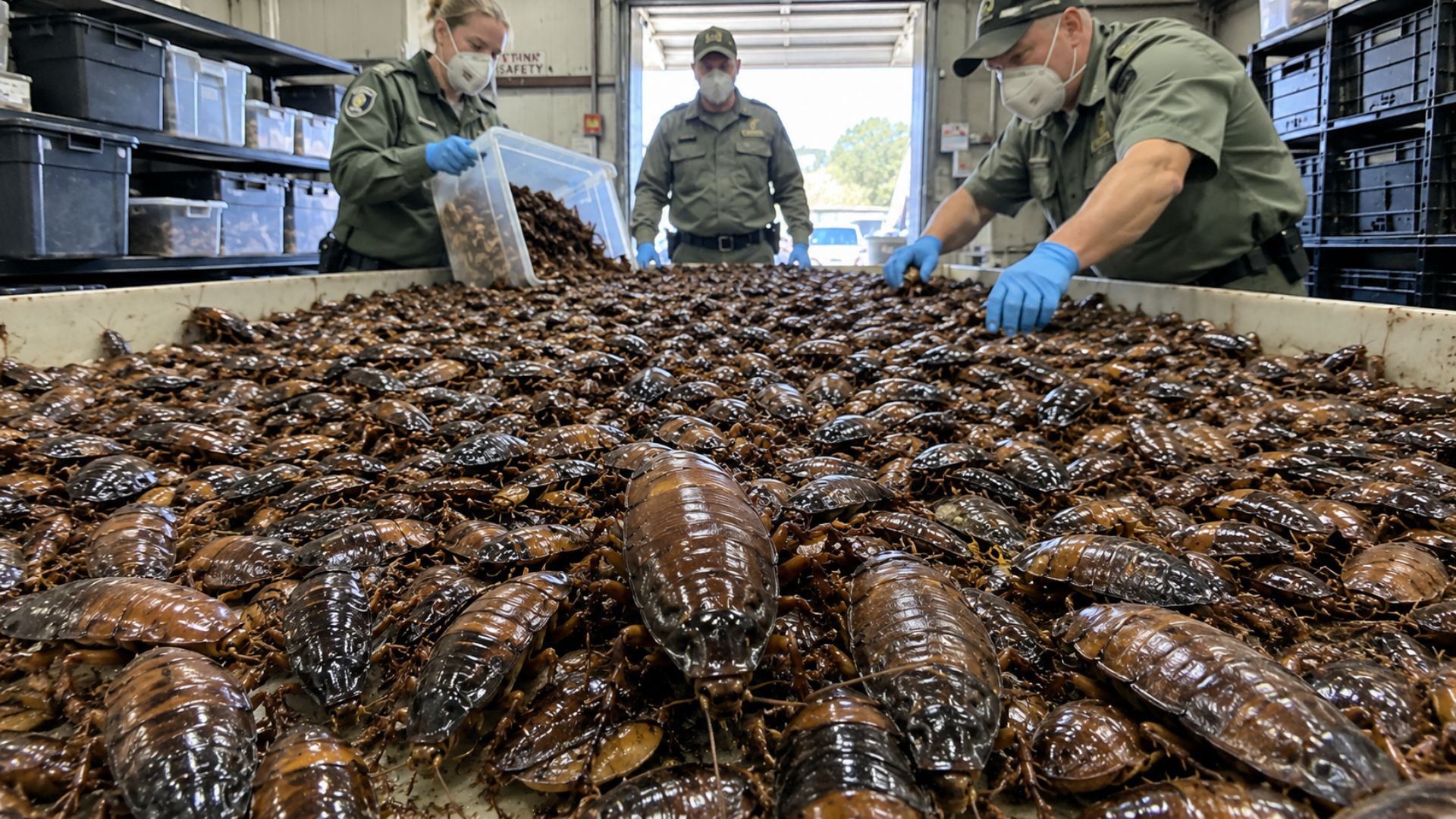
Environmental operation in Australia identified an illegal large-scale breeding of exotic cockroaches, with prohibited species, high value in the black market and authorities’ alert about risks to biosecurity, native fauna, and control of invasive organisms in the country.
Environmental authorities in Australia seized more than 100,000 live exotic cockroaches in Bathurst, in the state of New South Wales, during an inspection operation against the illegal possession of prohibited invertebrates in the country.
The action was announced on June 5, 2026, by the Department of Climate Change, Energy, Environment and Water, after the insects were found in a facility used by a commercial breeder.
Among the seized animals were mainly Madagascar hissing cockroaches and dubia cockroaches, species that cannot be imported, kept, bred, or sold in Australia due to biosecurity regulations.
-
Just like in the USA, Brazil may allow driver’s licenses for teenagers, who will be able to drive on Brazilian streets during predetermined hours and under strict rules outlined in a proposal submitted to the Chamber.

-
In 1999, an elderly man took in a student alone in London for free, and years later, the young man cared for him until his death.
-
The PR government wants to cut through a closed channel to create the ‘BR do Mar’, with an intervention of almost 10 km to allow boats up to 50 feet, but experts warn of difficult-to-reverse consequences by threatening one of the last ecological sanctuaries on the Brazilian coast.
-
Workers open the ground in downtown SP and find tram tracks from 1900; works on the sidewalks reveal underground structures and traces of a city forgotten beneath the concrete





According to the federal agency, the prohibition applies regardless of how the insects were obtained, as unauthorized exotic organisms can pose environmental and health risks.
The seizure took place in Bathurst, a city in the central-west region of New South Wales, located about 200 kilometers from Sydney, where the cockroaches were kept in a commercial breeding facility.
The volume found was classified by the Australian government as the largest seizure of illegal invertebrates ever recorded in the country, according to information released by the department responsible for environmental inspection.
According to the Department of Climate Change, Energy, Environment and Water, the seized collection was valued at up to 200,000 Australian dollars, an amount equivalent to about 142,000 US dollars at the exchange rate reported by the authorities and the Associated Press.
The conversion to Brazilian reais may vary according to the exchange rate used on the date of the assessment, which directly affects the estimate of the value in Brazilian currency.
Largest seizure of exotic cockroaches in Australia
The Australian government treats the operation as a significant case within the inspection against the illegal trade of exotic species, especially due to the number of insects kept in a single facility.
Even with strict controls over animals and plants introduced from outside the country, the breeding located in Bathurst gathered an unusual number of individuals, according to information released by environmental authorities.
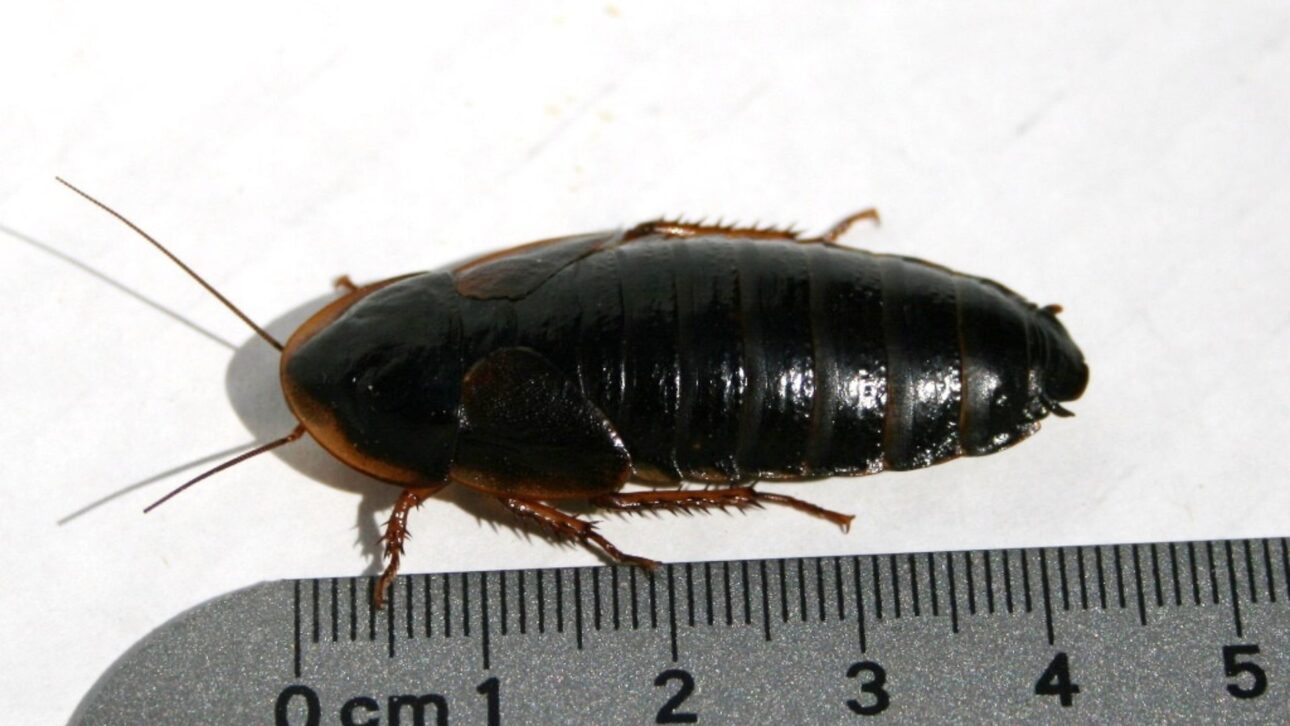
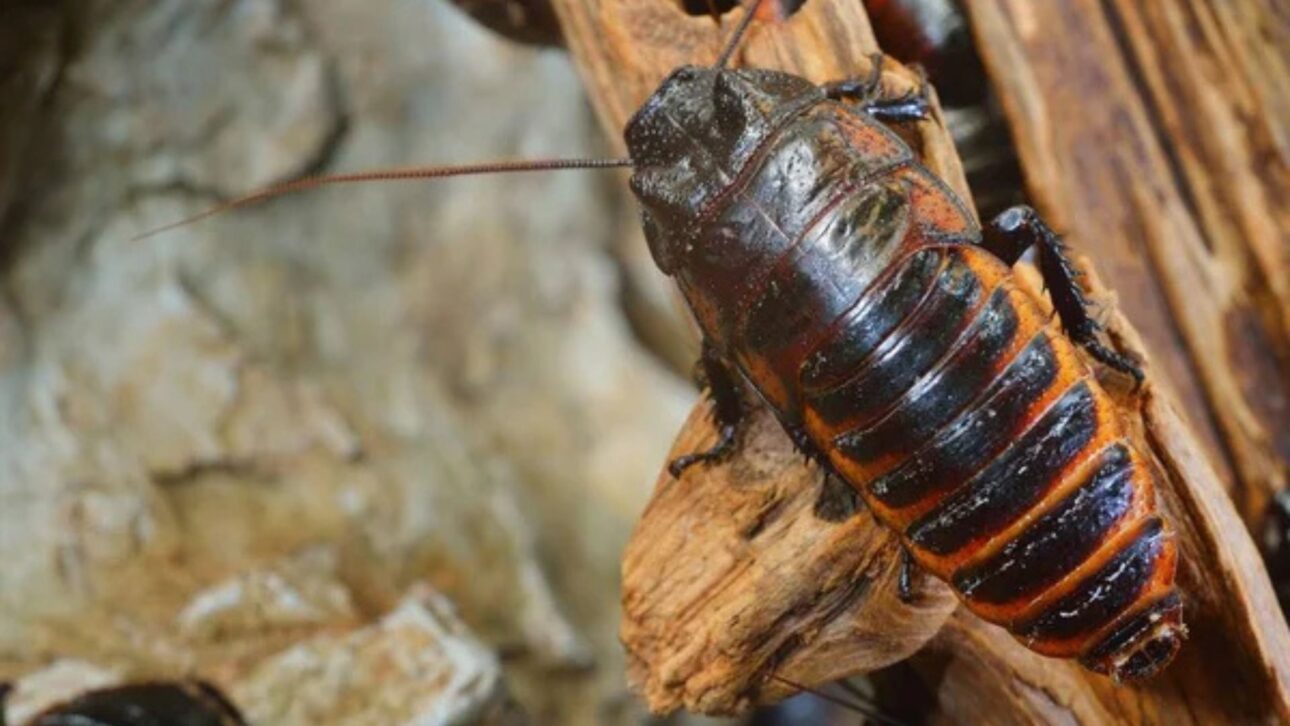
Madagascar hissing cockroaches are among the largest known species in the cockroach group and can measure from 5 to 8 centimeters in length, according to data cited in the investigation of the case.
This size exceeds that of common cockroaches found in Australia, which usually reach about 3.6 centimeters, according to the comparison released by authorities and the international press.
The species is named hissing cockroach because it can produce a sound similar to a hiss, generated by the expulsion of air through respiratory structures present in the insect’s body.
This behavior is described in situations of defense, dispute, or interaction between individuals, without altering the legal classification of the species as a prohibited exotic animal in Australia.
In the case of dubia cockroaches, commercial interest is usually related to their use as live food for reptiles kept as pets, a practice that appears in investigations into this type of illegal trade.
The authorities’ investigation indicates that breeders and owners may seek larger insects to feed lizards and other reptiles in captivity, especially when these species are sold outside authorized channels.
Illegal trade of insects for reptiles
The suspicion of the inspectors is that the insects seized in Bathurst were bred to supply the pet reptile food market, an area where there is demand for live insects used as feed.
Due to the size of some species, especially the Madagascar hissing cockroaches, larger specimens can reduce the number of insects needed in each feeding, according to an assessment cited by the Australian public broadcaster ABC.
To ABC, snake catcher Stefanie Lesser linked the interest in these cockroaches to the cost and size of the insects, factors that can influence the demand for larger species in the reptile food market.
Australian authorities recommend that reptile owners resort to alternatives permitted by local legislation, such as crickets and native wood cockroaches, instead of keeping or buying prohibited exotic species.
Enforcement also targets informal networks of breeding and selling exotic insects, because the circulation of these animals outside official control makes it difficult to assess health and environmental risks.
For environmental agencies, the concern involves the possession of the animals, the possibility of escape, irregular disposal, and the reproduction of organisms that have not been assessed before circulating in the country.
Biosecurity and native fauna at risk
Australia maintains strict biosecurity rules to reduce the entry and spread of pests, diseases, and invasive species, especially in sectors such as agriculture, horticulture, and protection of native fauna.
This control is considered strategic by the Australian government because the country hosts isolated ecosystems and a great diversity of native species, many of which are vulnerable to the presence of organisms introduced irregularly.
According to the Department of Climate Change, Energy, Environment and Water, exotic species that have not undergone environmental assessment may pose a threat to native fauna and the balance of local ecosystems.
The agency also reported that violations of national environmental rules will be dealt with rigorously within the instruments provided by Australian legislation.
“We take our responsibility to protect Australia’s unique biodiversity and violations of national environmental legislation very seriously,” said a department spokesperson, in a statement cited by the Associated Press.


Australian authorities reported that people caught with illegal animal, plant, or insect material may be fined and prosecuted, depending on the circumstances investigated in each case.
Regarding the Bathurst seizure, the Associated Press reported that no formal charges had been filed against the breeder until the public disclosure of information about the operation.
Destination of the Seized Cockroaches
The destination of the more than 100,000 seized cockroaches was determined by the authorities responsible for environmental inspection, who ordered the sacrifice of the insects for sanitary and biosafety reasons.
The measure was adopted because the species are not authorized in Australia and did not undergo an environmental impact assessment process before being kept in a commercial breeding operation.
According to the regulations applied to exotic organisms, keeping the animals alive, redistributing them, or allowing their circulation would not be compatible with the control adopted by the Australian government for this type of situation.
The seizure also increases attention on breeders, sellers, and consumers involved with prohibited insects, especially when these animals are used to supply the reptile food market.
With the disclosure of the case, the Australian government has once again warned that new occurrences involving illegal invertebrates may result in fines, seizures, and legal proceedings, according to the country’s environmental legislation.




Be the first to react!