Portuguese
  Spanish


Project to Reactivate the Varadouro Channel reignites environmental dispute in Lagamar, Atlantic Forest area between Paraná and São Paulo, as public agencies, caiçara communities, and environmentalists demand broader studies on dredging, nautical tourism, and impacts on conservation units.
The Paraná government’s project to reactivate the Varadouro Channel, between Paranaguá (PR) and Cananeia (SP), has returned to the environmental debate as it plans dredging, nautical signaling, and support structures for tourism in the Lagamar area, on the southern coast of the country.
The proposal is being analyzed within the scope of the environmental licensing conducted by Ibama and faces questions from environmental agencies, the Federal Public Ministry, and traditional communities that demand studies on the effects of the intervention in the territory.
Historically used as a waterway connection, the stretch today has limited navigation due to silting and does not receive regular circulation of larger vessels, according to information presented in the public debate about the project.
-
YouTuber Discovers Surreal Collection in 400-Year-Old Italian Fortress Near Florence: 419 Anvils, Giant Walruses, Ancient Church, and WWII Tunnels

-
Creative Uses for Toilet Paper Rolls That Will Change Your Perspective
-
Crab Trapped in Plastic Bottle for 62 Days Near Okinawa Highlights Little-Known Impact of Marine Pollution on Small Animals
-
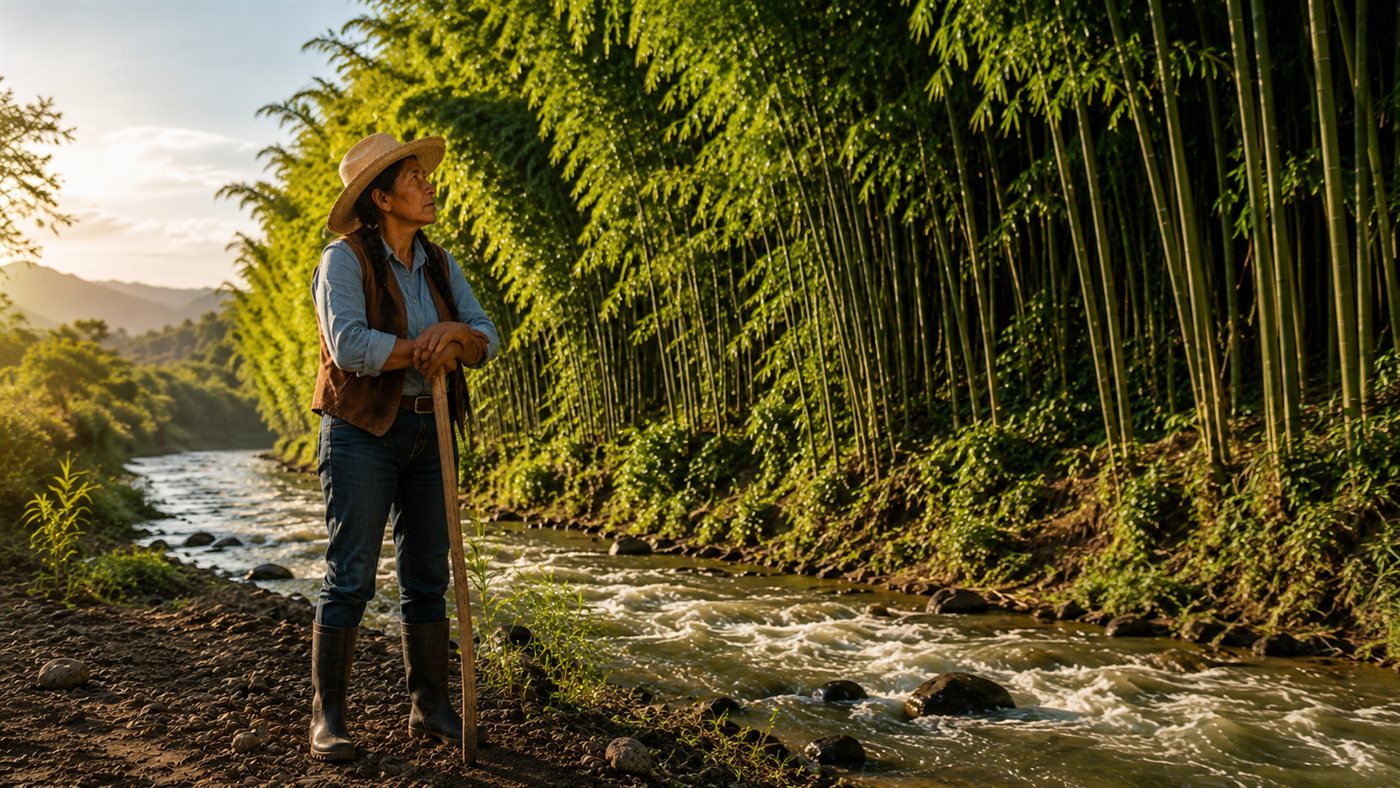
Esperanza’s Bamboo Barrier in Oaxaca Redirects River and Reduces Erosion by 85% in Five Years


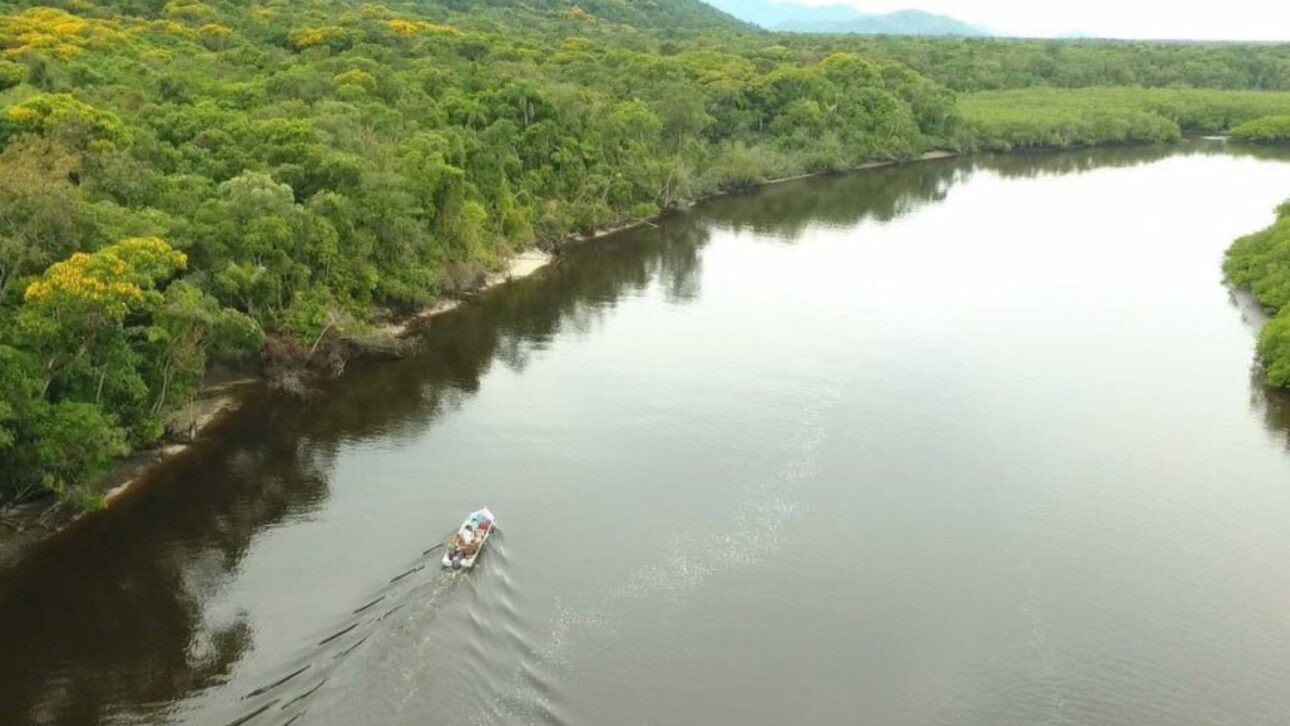
According to the preliminary project released by the state government, the channel is about six kilometers long and connects Paranaguá to Cananeia, passing through the islands of Peças and Superagui, in an area of Atlantic Forest, mangroves, and conservation units.
The Paraná administration states that the initiative seeks to improve navigability, facilitate the movement of riverside communities, and stimulate community-based tourism, an argument used by the State to defend the continuation of the studies.
The Preliminary Project for Dredging, Nautical Signaling, and Tourism Support Facilities was developed by the Free University of the Environment, under contract with Paraná Projects, linked to the State Planning Secretariat.
Environmental Licensing of the Varadouro Channel
In the licensing process, Ibama evaluates the proposal’s framework and the technical information necessary to define which stages must be completed before any environmental authorization.
The request submitted by the government of Paraná began to be questioned by agencies and entities because it initially considered only interventions on the Paraná side, although the area of influence also reaches the São Paulo coast.
In a statement on the case, the São Paulo government asked Ibama for the affected areas on the São Paulo side to be included in the environmental analysis, a step considered necessary by technicians and entities monitoring the process.
ICMBio, responsible for the administration of the Superagui National Park, expressed opposition to the project and contacted the Federal Public Ministry in Paraná, which opened an inquiry to investigate the proposal.
In a meeting held on October 30, 2024, in Paranaguá, the MPF gathered representatives from the state government, Ibama, ICMBio, Instituto Água e Terra, Iphan, Funai, UFPR, SOS Mata Atlântica, and other entities to discuss the draft project.
The hearing took place at the Museum of Archeology and Ethnology of the Federal University of Paraná and addressed the potential environmental, social, and institutional impacts associated with the dredging of the Varadouro Channel.
On the occasion, Federal Prosecutor Monique Cheker stated that the central concern involved the impacts of dredging to deepen the channel, especially in the areas of the Superagui National Park and the affected traditional communities.
Since July 2024, the MPF has been monitoring the case through a civil inquiry, a procedure used to gather information, hear involved agencies, and evaluate possible measures related to licensing.
Dredging in Lagamar and Nautical Tourism
The draft project presented to public agencies and environmental entities cites 25 intervention points, with an estimated volume of 330 thousand cubic meters of dredging in the Varadouro Channel.
The informed goal was to reach 2.4 meters of depth throughout the channel, allowing the navigation of small vessels, up to 40 feet, with about ten passengers.
In addition to dredging, the proposal mentioned nautical support structures, such as piers, restrooms, convenience stores, a clinic, and waiting areas, aimed at serving visitors and residents of the region.
Communities like Guapicu, Sebuí, and Barbados would receive smaller equipment, while Superagui and Ilha das Peças would have larger structures as they already concentrate a more intense tourist flow, as presented in the technical discussions.
The proposal became publicly associated with the expression “BR do Mar” after a presentation by Governor Carlos Massa Ratinho Junior on September 19, 2024, at the 9th International Nautical Congress, within the São Paulo Boat Show.
On the occasion, he said he hoped to realize the Varadouro Channel as “a kind of BR of the sea,” an expression that began to be used in the public debate about the intervention.
Caiçara Communities Demand Prior Consultation
Representatives of caiçara communities and artisanal fishermen argue that any intervention should be preceded by free, prior, and informed consultation, a mechanism provided for decisions that may affect traditional peoples and communities.
During the meeting with the MPF, the Caiçara Letter of Lagamar was delivered, prepared by the Articulation of Traditional Peoples and Communities of Ilha do Cardoso and the Movement of Artisanal Fishermen of the Coast of Paraná.
The document expresses concern about the lack of dialogue and information regarding the dredging of the Varadouro Channel, in addition to requesting respect for the community protocols already adopted by traditional groups in the region.
These protocols establish how the communities wish to be consulted on decisions that may affect their territories, their economic activities, and the historical relationship maintained with the coastal environment.
In addition to the direct impacts of the work, environmental entities point to possible indirect effects, such as real estate speculation, mass tourism, and changes in the local way of life, if the flow of visitors increases without adequate control.
Currently, the region hosts community-based tourism initiatives, with family accommodations, artisanal fishing, visitor guidance, caiçara gastronomy, and low-impact activities organized with resident participation.
Superagui National Park and endangered species
The Varadouro Channel is located in an environmental mosaic formed by the Atlantic Forest, mangroves, archaeological sites, sambaquis, and protected areas, according to technical documents related to the Superagui National Park.
The Management Plan of the Superagui National Park records that the system communicates with the Trapandé Bay and the Pinheiros Bay through the Canal da Draga, also known as the Varadouro Channel.
The region also hosts endangered species and ecosystems dependent on the local water dynamics, which leads environmental agencies and researchers to advocate for specific studies before any physical intervention.
A 2026 ICMBio document, linked to the action plan for Atlantic Forest primates, mentions the need to assess and monitor potential impacts of the dredging of the Varadouro Channel on the black-faced lion tamarin.
The species is classified as critically endangered and is associated with the coast of Paraná and São Paulo, an area that includes sections close to the environment under analysis in the licensing.
The technical analysis should consider water quality, sediment disposal, minimum distance from the banks, slope stability, preservation of mangroves, and impacts on fauna, artisanal fishing, and traditional communities.
These points were raised by agencies and entities at the meeting convened by the MPF and are part of the information expected for the environmental assessment of the project.
Without a final decision on licensing, the project remains under discussion between the proposal to expand tourist navigation and the requirements for environmental assessment, community consultation, and protection of the affected conservation units.
The definition will depend on environmental studies, the response of the competent authorities, and the participation of communities that may be affected by the dredging and the structures planned in the Varadouro Channel.