





 Portuguese
  English
  Spanish
  4 min of reading
  0 comments


Intensive Irrigation Mobilized Hidden Salt in the Murray–Darling Basin, Degrading Soils, Rivers, and Requiring Billion-Dollar Works to Contain One of Australia’s Greatest Silent Agricultural Disasters.
The process occurs in Australia, specifically in the Murray–Darling Basin, which stretches across the states of New South Wales, Victoria, South Australia, and Queensland, with documented impacts in agricultural areas near cities such as Mildura, Griffith, and Renmark. The situation was formally described and quantified by Geoscience Australia, CSIRO (Commonwealth Scientific and Industrial Research Organisation), and the Murray–Darling Basin Authority (MDBA) in technical reports published between 2000 and 2023, with significant milestones in 2001, 2008, 2012, and 2019, when consolidated data on salinization, productivity loss, and mitigation costs were publicly released.
These institutions confirm that intensive irrigation initiated throughout the 20th century mobilized salts naturally present in deep soils and the aquifer, creating one of the greatest long-term environmental problems of modern Australian agriculture.
The Basis of the Problem: Ancient Salt, New Water, and an Irreversible Imbalance
The Murray–Darling Basin has always coexisted with large amounts of salt that accumulated naturally over millions of years, a result of intense evaporation and the absence of efficient deep drainage in a geologically ancient continent. Before large-scale irrigated agriculture, this salt remained stable and deep, out of reach of plant roots and rivers.
-
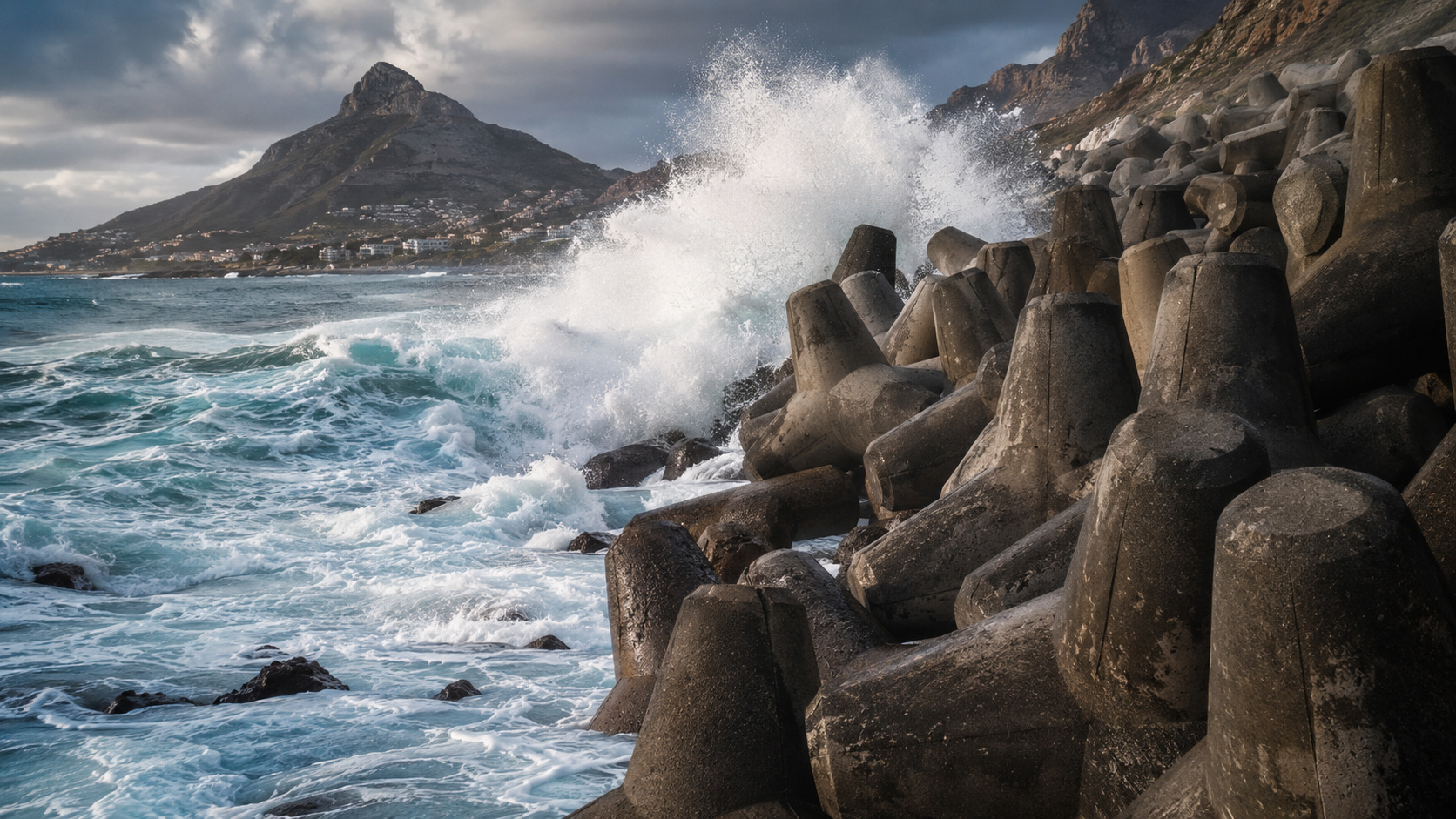
South Africa created giant concrete blocks in the shape of a twisted “H” that reached 30 tons and became a global shield against destructive waves; dolosse were born after a storm devastated the port of East London in 1963 and today protect ports, beaches, and breakwaters on various continents.

-
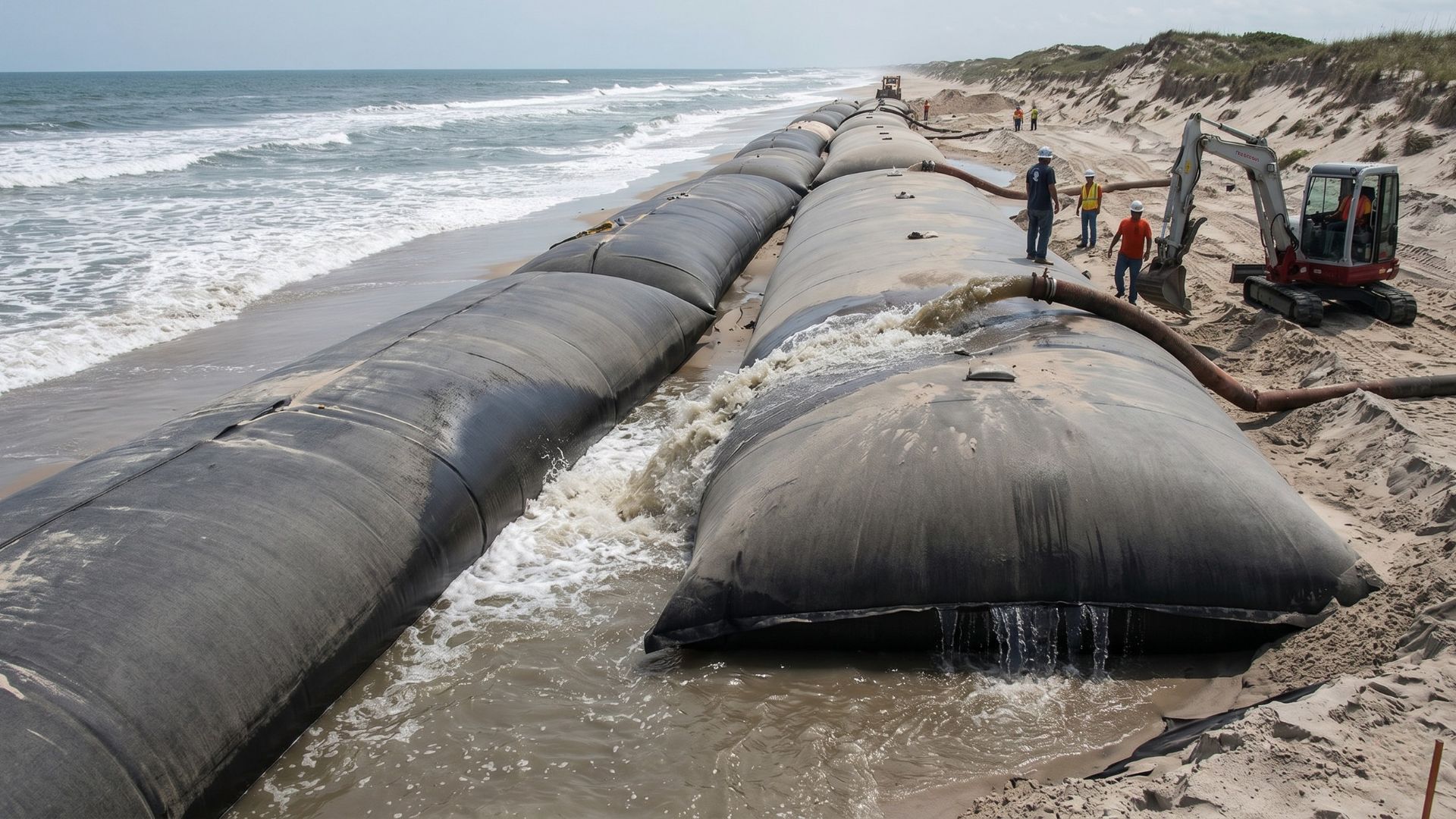
Giant geotextile bags filled with sand have become flexible barriers against erosion in America, Europe, Asia, and Oceania; the technology replaces tons of concrete and rock with permeable tubes that dissipate waves and protect beaches, dunes, and riverbanks.

-
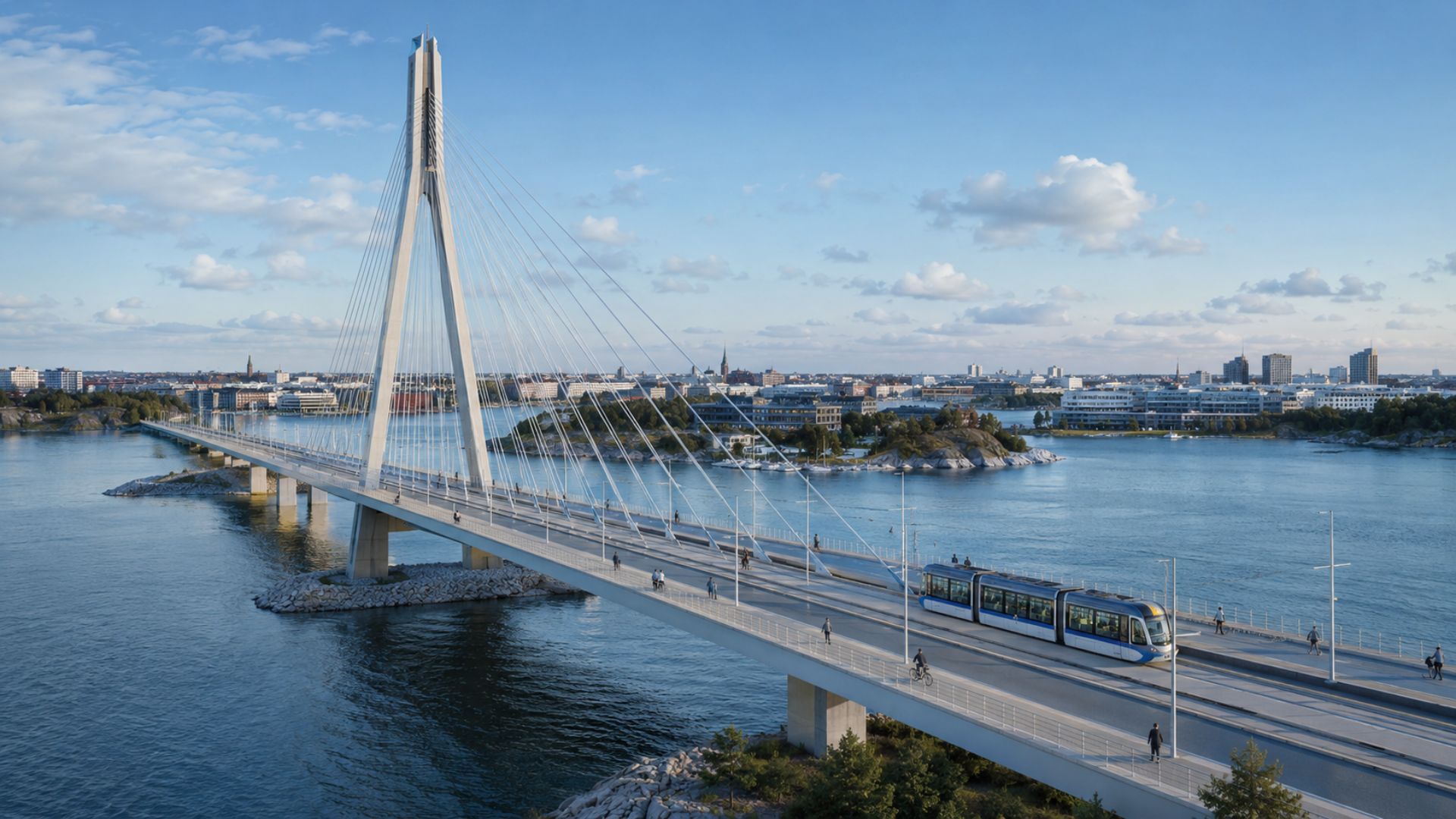
The largest bridge in Finland has just been inaugurated and cars simply cannot pass on it; only trams, bicycles, and pedestrians are allowed to cross the 1.2 km giant with a 135-meter pillar over the Baltic Sea.
-
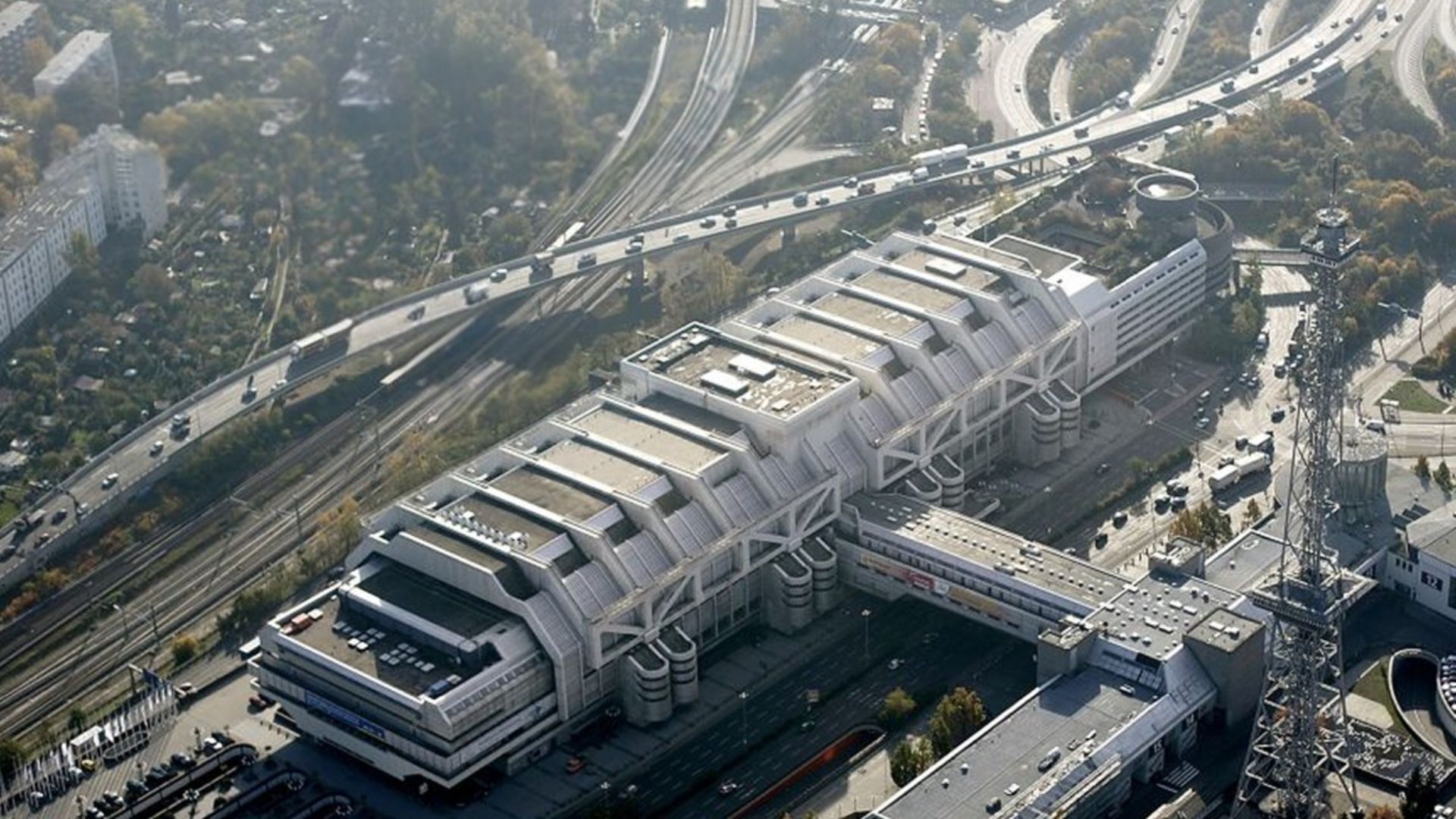
A spaceship-shaped building that cost around 1 billion marks and was once the largest congress center in Europe has been abandoned in Berlin since 2014, and now the city is looking for someone willing to renovate and operate it for 99 years almost for free.
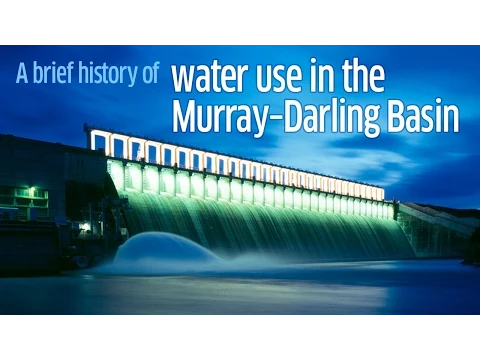

The scenario began to change rapidly starting in the 1950s and 1960s, when irrigation projects began pumping massive volumes of water to grow cotton, rice, citrus fruits, wheat, and vineyards.
According to CSIRO, the constant introduction of water raised the water table in various areas by up to 2 meters over a few decades, bringing dissolved salt to the root zone and waterways.
This process, known as secondary salinization, is not immediate or visible in the short term, which explains why its effects only became critical decades later.
Numbers That Dimension the Silent Disaster
Official reports from the Murray–Darling Basin Authority, presented to the Australian Parliament in 2019, point out that:
- More than 2 million hectares of the basin present some degree of risk of soil salinization
- About 600 thousand hectares have already registered significant loss of agricultural productivity
- The concentration of salt in the Murray River, during critical periods, has exceeded safe limits for irrigation and urban supply at various points
- The direct and indirect economic costs of salinization exceed A$ 1.3 billion per year, considering agricultural loss, water treatment, and infrastructure damage
These numbers are not projections: they are measurements consolidated by decades of hydrological and geochemical monitoring conducted by Geoscience Australia and universities such as the University of Adelaide.
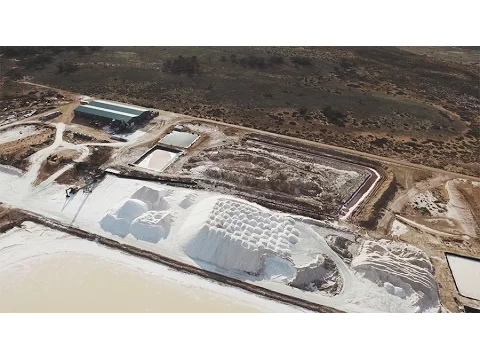
When Salt Destroys More Than Crops
The impact is not limited to agriculture. Salinization directly affects:
- Urban infrastructure, corroding foundations, roads, bridges, and sewage systems
- Water supply, increasing treatment costs for riverside cities
- Aquatic ecosystems, reducing the biodiversity of fish, invertebrates, and native plants
Studies led by the University of Melbourne, published in 2008 and updated in 2018, demonstrate that the increase in salinity altered entire food chains in sections of the Murray River, favoring salt-tolerant species and eliminating sensitive organisms.
The Billion-Dollar Works to Try to Contain What Has Already Been Released
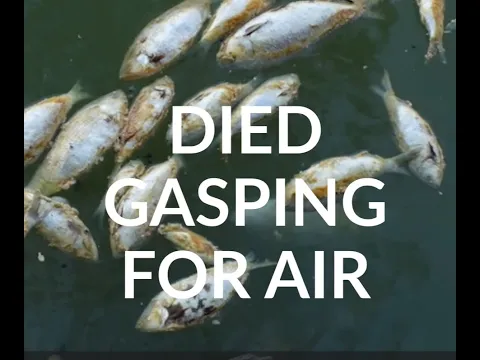
In light of the seriousness of the problem, the Australian government began a series of structural interventions starting in 2001, with highlights including:
- Salt Interception Schemes: deep pumping systems that remove saline water before it reaches the rivers
- Strategic Revegetation with deep-rooted species to lower the water table
- Limitations on Irrigation Volumes in critical areas
According to data from the MDBA, the salt interception schemes alone cost over A$ 700 million by 2020, with ongoing operational and maintenance expenses. Nonetheless, the reports themselves admit that these measures only reduce the pace of the problem, they do not eliminate it.
A Global Warning for Irrigated Agricultural Regions
The experience of the Murray–Darling Basin is now used as an international case study by organizations such as the FAO and the IPCC, which explicitly cite the Australian example in reports on soil degradation published in 2019 and 2022.
The scientific consensus is clear: large-scale irrigation, when disconnected from natural hydrology and local geology, can generate effects that only manifest decades later, when the cost of correction far exceeds the initial productivity gains.
The Legacy of a Decision Made Last Century
Australia did not “err” out of ignorance. At the time, irrigation seemed like the perfect solution to transform semi-arid regions into global breadbaskets. What was not fully understood was the behavior of ancient, slow hydrological systems loaded with salt.
Today, the Murray–Darling Basin remains productive, but carries an environmental liability that will require permanent management for generations. The salt that was mobilized cannot be “un-invented,” only contained, redistributed, or mitigated.
It is an uncomfortable reminder that in modern agriculture, some consequences do not appear in the next harvest, nor the next decade, but in the structural future of an entire territory.





-

1 person reacted to this.