Portuguese


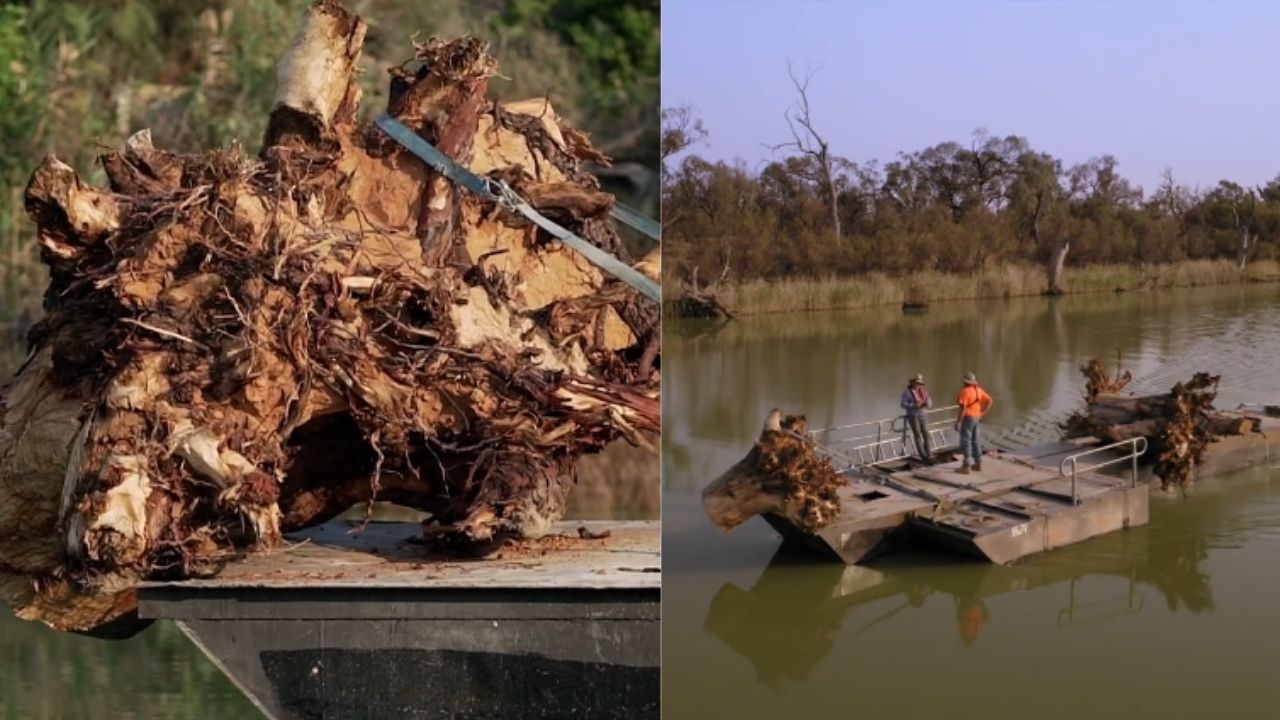

Dead trees in the Murray River returned to the riverbed in an environmental engineering action that used woody habitat and river restoration to recover natural structures. The Australian project replaced 4,450 historically removed elements and showed that a degraded river also needs shape, shelter, and internal complexity to function better.
The dead trees returned to the center of the restoration of the Murray River, in Australia, when the program The Living Murray, from the Murray-Darling Basin Authority, restored 4,450 woody structures within the watercourse. The project was carried out in 2006, between Lake Hume and Lake Mulwala, to reconstruct parts of the habitat historically removed from the riverbed.
According to the Arthur Rylah Institute, from the government of Victoria, in a page last updated on December 4, 2025, scientists monitored the effects of the intervention between 2007 and 2013. The case showed that recovering a giant river may depend on replacing in the environment what decades of management treated as an obstacle.
Australia decided to return to the river what was previously removed
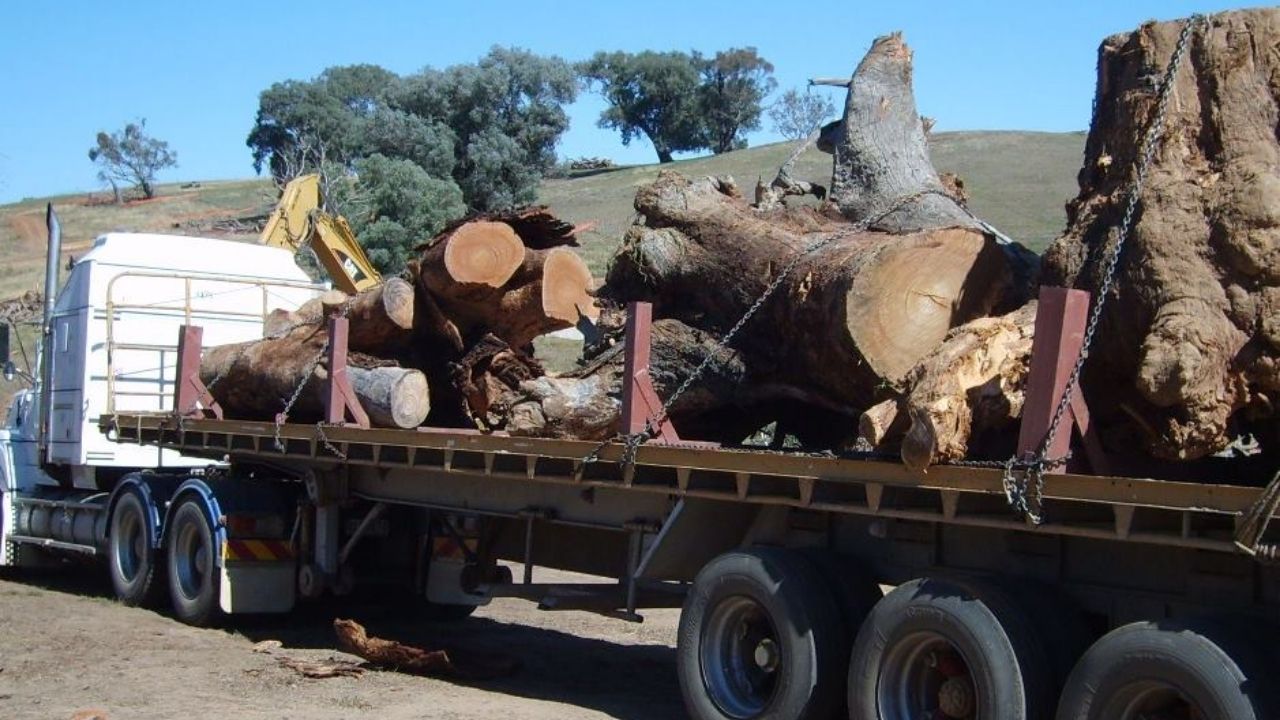
For a long time, logs, branches, and dead trees within rivers were seen as obstacles to navigation, water flow, or channel management. In the Murray River, the historical and extensive removal of this woody material was recognized as an important factor in the loss of natural structures within the aquatic environment.
-
Digestive Health Expert Silvia Gómez Explains How Cold Drinks and Ice Cream Can Slow Digestion and Cause Discomfort in Hot Weather

-
Experts Reveal Surprising Uses for Air Conditioner Drip Water and Common Mistakes to Avoid
-
Brazil’s Paraíba State Builds Senior-Friendly Community with 40 Accessible Homes, Health Center, and Gardens, Replicates Model in 5 Cities, Earns National Merit Award in 2015

-
Brazilian Government Launches New ID System Using Tax Number as Unique Identifier, Reaching 870,000 People with 7,000 Free Issuance Slots Available


The change came when the project began to treat the dead trees not as debris, but as physical parts of the river. These elements create shelter, retention points, resting areas, and surfaces that help reorganize the internal dynamics of the watercourse. River restoration ceased to be just about removing interferences and began to include the return of structures.
The project replaced 4,450 woody structures in the Murray River
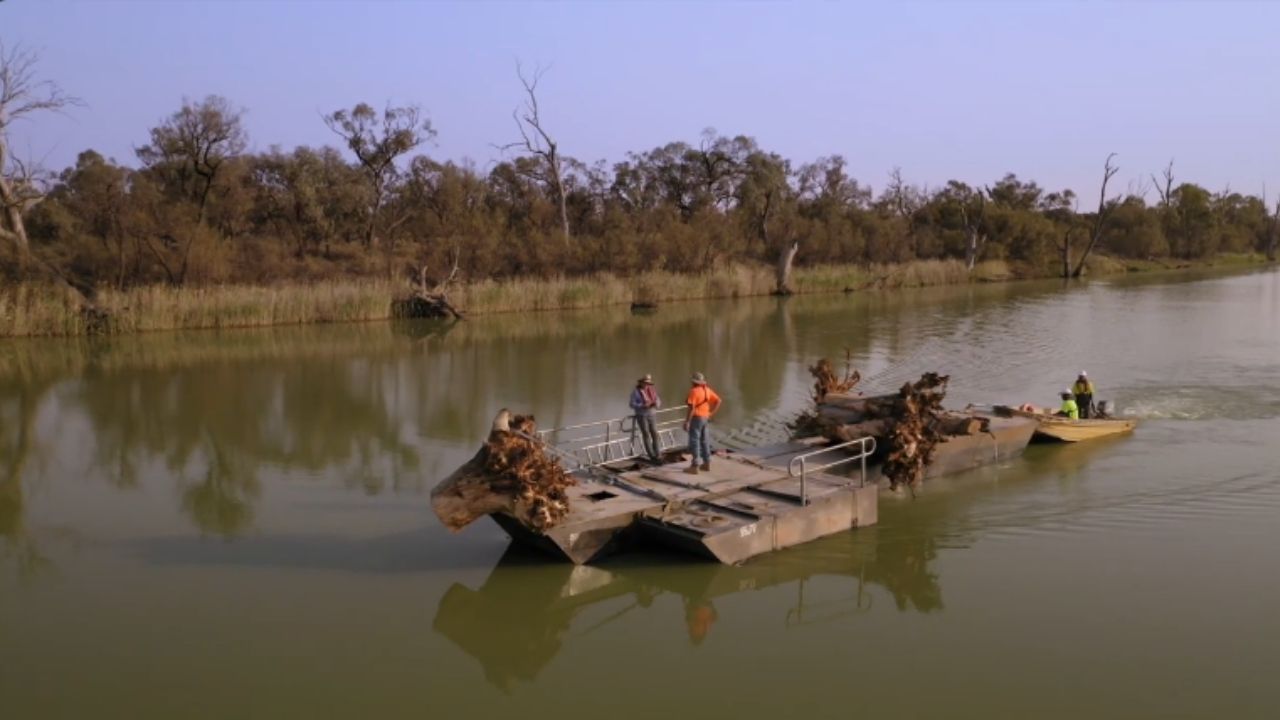
The intervention restored 4,450 standing dead trees, also described as woody structural habitat, in a stretch of the Murray River between Lake Hume and Lake Mulwala. Until the update of the official page, the study is presented as the largest project of its kind in Australia, considering the restoration and subsequent monitoring.
The number draws attention because it shows the scale of the decision. It was not a symbolic or isolated action, but an extensive physical recomposition within one of the country’s most important rivers. By returning dead trees to the riverbed, the project rebuilt a part of the natural complexity that had been simplified by decades of removal.
Monitoring followed the river for seven years
After the restoration, scientists from the Arthur Rylah Institute conducted a seven-year monitoring program, between 2007 and 2013. The team compared restructured areas with sections where no restoration was done, seeking to measure changes in populations and habitat use over time.
The study involved up to 424 sites per year and used boat electrofishing techniques, tagging, recapture, and radio tracking. About 1,400 individuals were tracked with radio transmitters, along with information on age, length, weight, and movement. The strength of the project lies precisely in the long-term monitoring, not just the initial work.
The dead trees functioned as natural engineering within the water
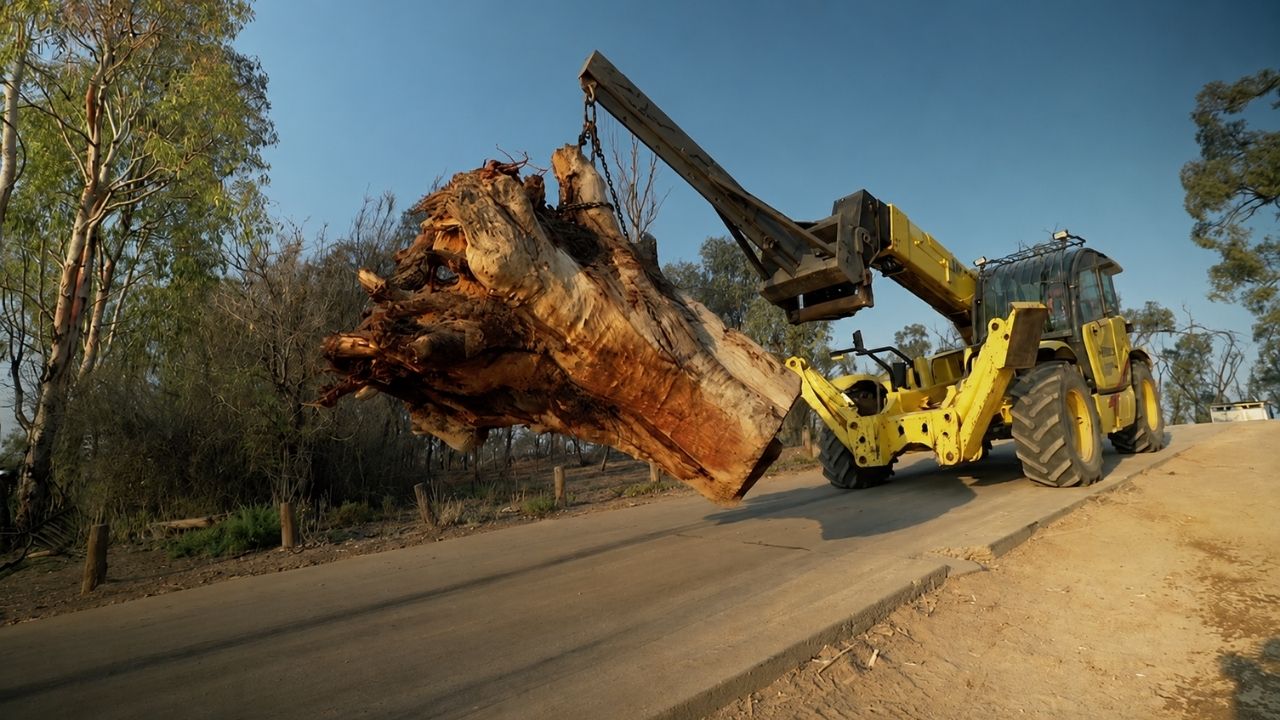
The most interesting point of the Australian experience is the reversal of logic. Instead of hardening the river with an artificial solution, the project recovered natural structures capable of reorganizing microenvironments within the water. The dead trees began to function as a kind of natural engineering, creating complexity where there was once simplification.
This type of recomposition is important because rivers are not just water passage channels. They have curves, banks, depths, shadows, obstacles, backwaters, and submerged structures that influence the life and dynamics of the system. When all this is removed, the river may continue to flow, but it loses part of its ecological function.
Result indicated significant increase in the restored section
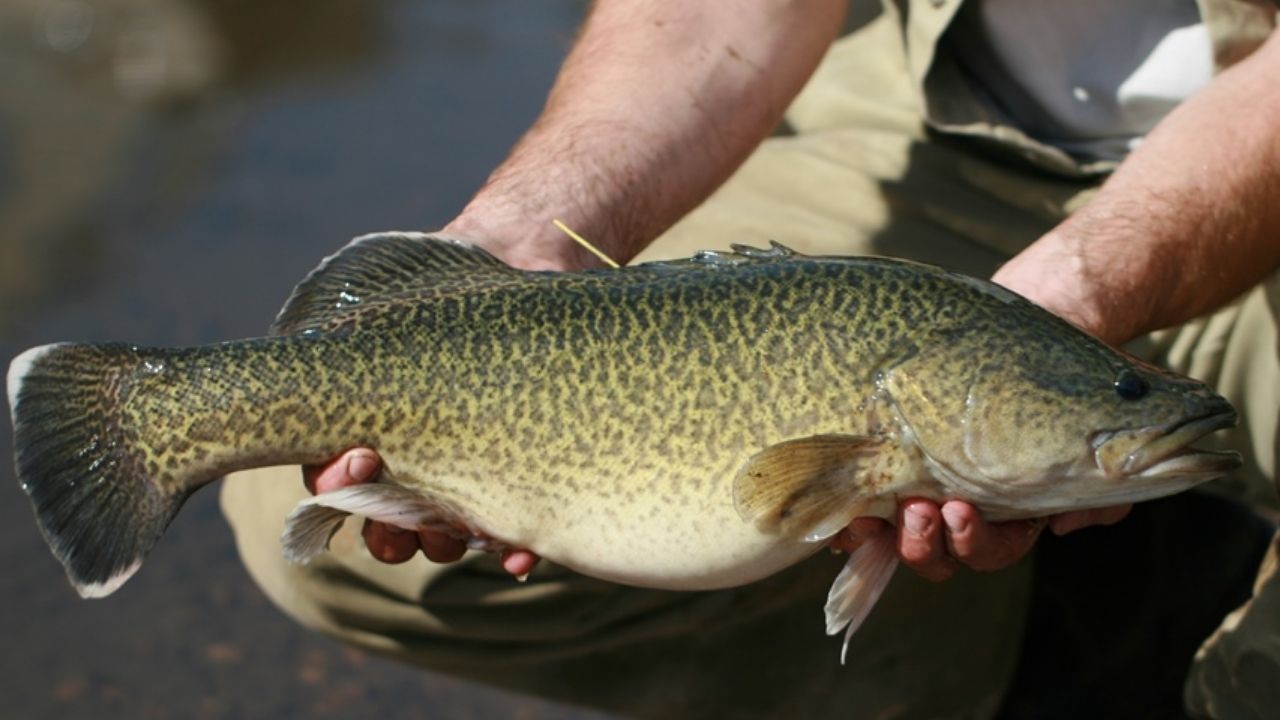
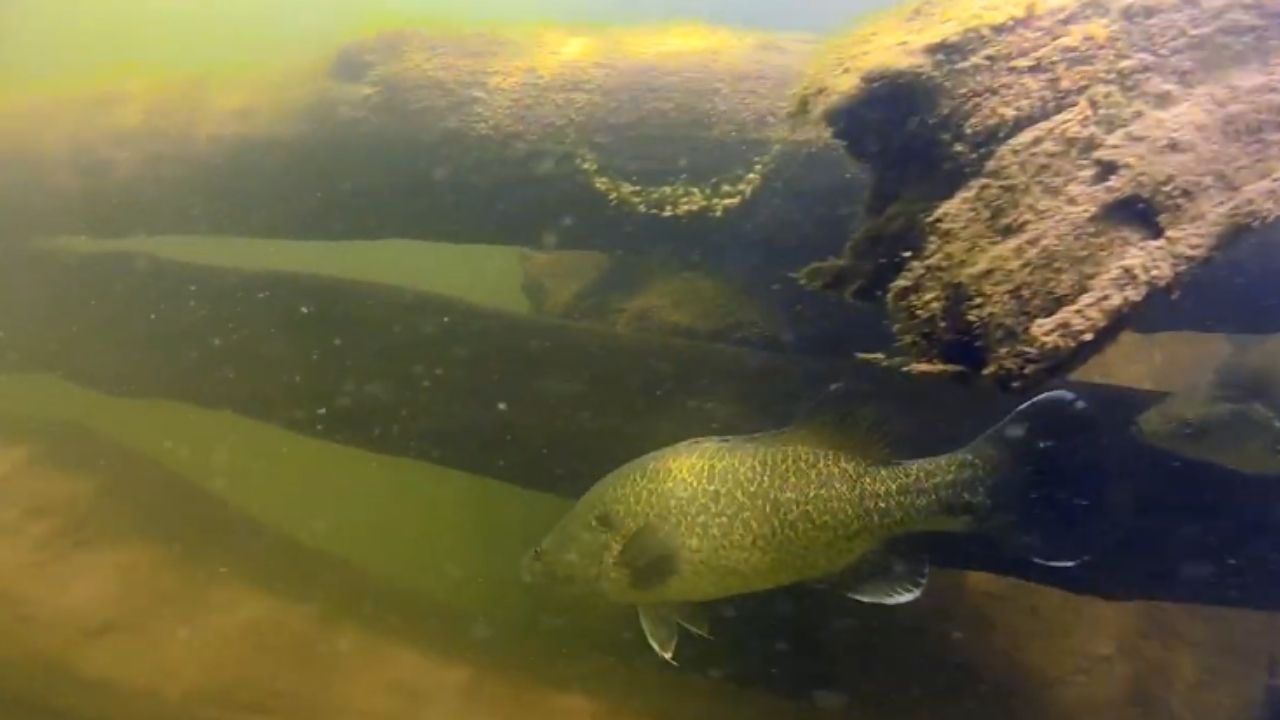
Among the findings reported, the study identified a threefold increase in the Murray cod population in the restored area. Movement data indicated that part of this growth occurred because individuals migrated to the restructured section, signaling attraction to the recomposed habitat.
Although fish appear as an ecological indicator, the focus is on river restoration. The observed increase serves as evidence that the dead trees replaced in the riverbed helped create more favorable conditions in the environment. The biological response reinforced the physical effect of the intervention.
The restoration showed that a degraded river needs structure, not just water
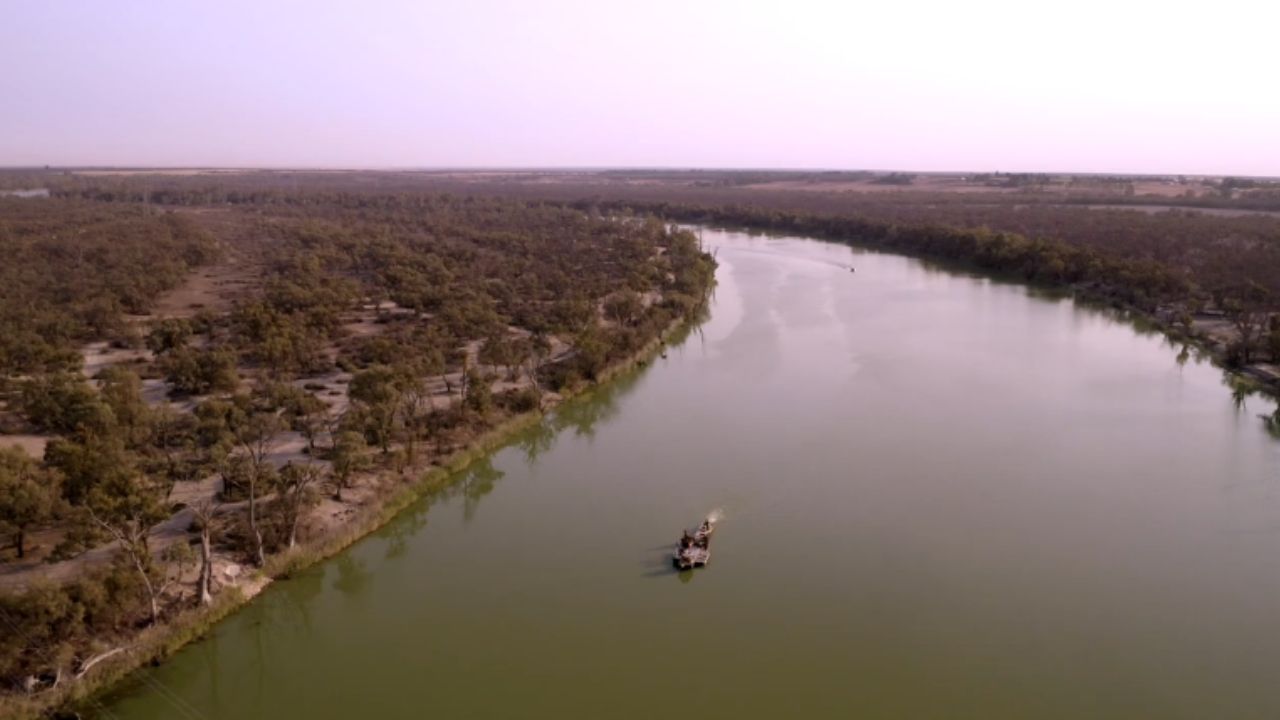
When it comes to river restoration, the discussion often focuses on the quantity or quality of the water. These factors are essential, but the case of the Murray River shows another point: the physical form of the environment also matters. A river without internal structures may offer less shelter, less habitat diversity, and fewer areas of ecological support.
Therefore, the recomposition of dead trees in the riverbed acts as an environmental engineering correction. It does not replace other conservation measures, but it shows that restoring a river may require reconstructing its natural architecture. Water needs a path, but it also needs complexity.
The case changes the way we see natural obstacles in rivers
The Australian experience questions an old management view, where logs and woody debris were removed to keep the river “clean.” This idea may seem efficient at first glance, but it ignores that many of these elements are part of the natural functioning of the river system.
By replacing dead trees in the Murray, the project showed that not every obstacle is a problem. In certain contexts, what hinders a simplified reading of the channel may be exactly what restores the river’s function. River restoration depends on understanding when to remove and when to return.
A lesson for large-scale recovery projects


The Murray River became an example because the intervention had scale, monitoring, and comparison between restored and non-restored areas. This allows for a more precise impact assessment and avoids treating restoration as a mere visual or landscaping gesture.
The main lesson is that large rivers do not recover with promises alone. They need diagnosis, goals, monitoring, and decisions based on the actual functioning of the ecosystem. In the Australian case, dead trees became part of the solution because they were recognized as the river’s natural infrastructure.
What does this experience say about the future of rivers?

The return of dead trees to the Murray River shows that the restoration of a giant river can start with a simple question: what was removed from the environment and needs to return? In the Australian case, the answer was in woody structures that were once seen as waste, risk, or obstacle, but proved essential for rebuilding habitat.
Now comes the reflection: should river recovery projects rely more on natural solutions like this, or do they still depend too much on artificial interventions? Do you think placing structures back in the riverbed can be applied to other degraded rivers? Leave your opinion in the comments.